

Borderless Love: The Benefits of Marrying Outside Your Social Group

Ali-Kuli and Florence Khan
Florence and Ali-Kuli Khan. (Image source)

In 1904, Florence Breed and Ali-Kuli Khan married in Boston. Breed was American and Khan was Iranian; their union symbolized East and West uniting in the Bahá’í Faith. When ‘Abdu’l-Bahá, son of the Founder of the Bahá’í Faith, visited the US in 1912, the Khans hosted a luncheon for him in Washington, D. C. There, ‘Abdu’l-Bahá defied social convention by giving Louis Gregory, an African-American Bahá’í, the seat of honor.

Continue reading
Prisoners Of Conscience

I have been, most of the days of My life,
even as a slave, sitting under a sword hanging on a thread,
knowing not whether it would fall soon or late upon him.

Bahá’u’lláh, Founder of the Bahá’í Faith, in a letter to the Persian Shah (1868)
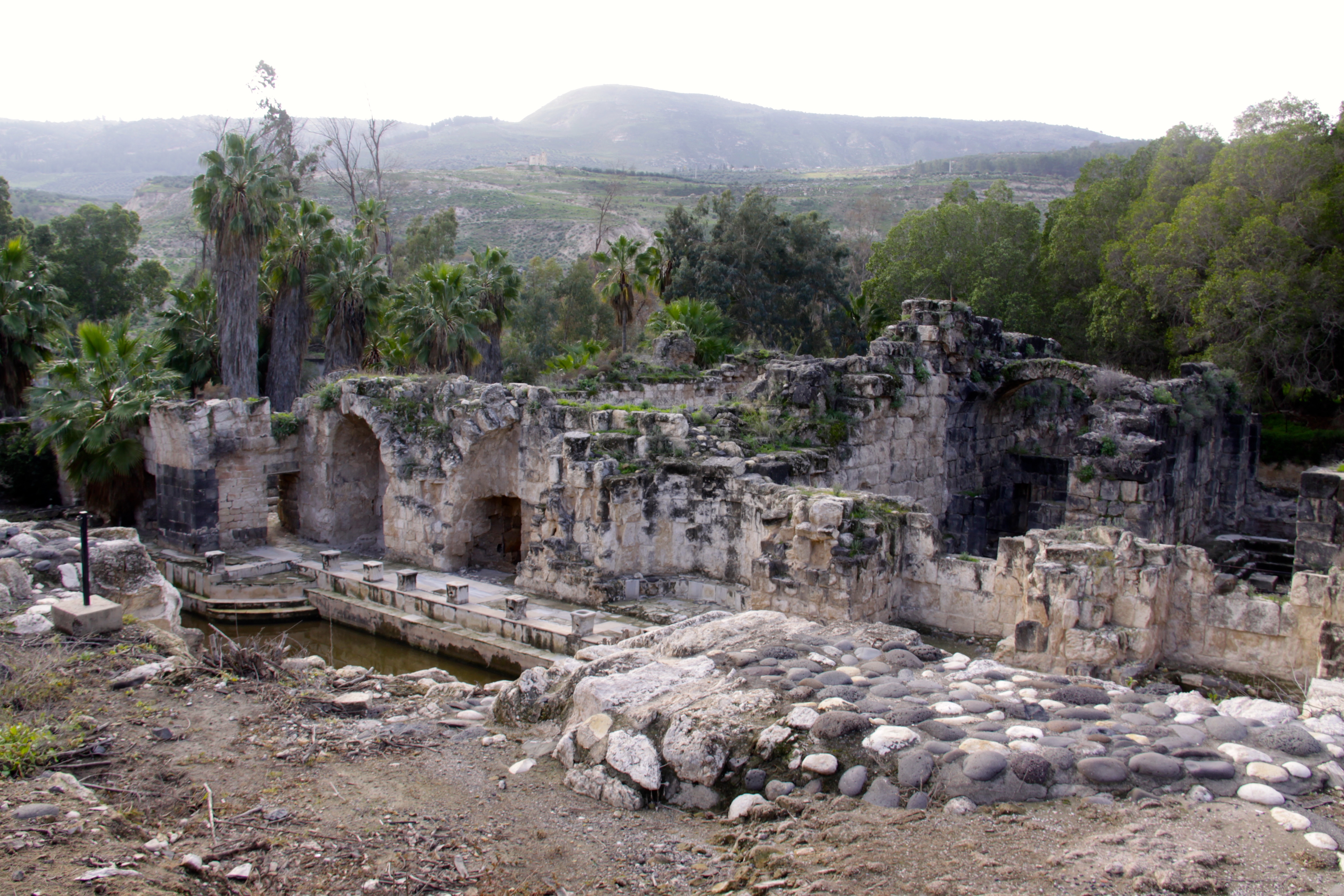
Ruins in the Middle East
Ruins in the Middle East | Photo by the author

Recently, my husband and I sat spellbound by The Prophet, a gorgeous film adaptation of the 1923 book of poems by Kahlil Gibran. In the film, the prophetic writer and artist, Almustafa (aka Mustafa), is a prisoner of an oppressive government, confined on a Mediterranean island called Orphalese. While the government is not named, various clues point to the Ottoman Empire. The only crime Almustafa has committed is using his faculty for words to advocate for the common folk—which endangers the authorities’ power.

Continue reading