The sky is weeping convulsively over the central states as I write, and the weeping cherry in the backyard is blooming. Actually, only the tree’s skirt of drooping branches blooms. Perhaps because of a grafting issue, it also grows a crown of upward branches, which bear only leaf buds, making the tree appear half dressed.
Driving to and from Bloomington, where I go to my office at Indiana University three days a week, the interstate unfurls and my mind can travel along with my body.
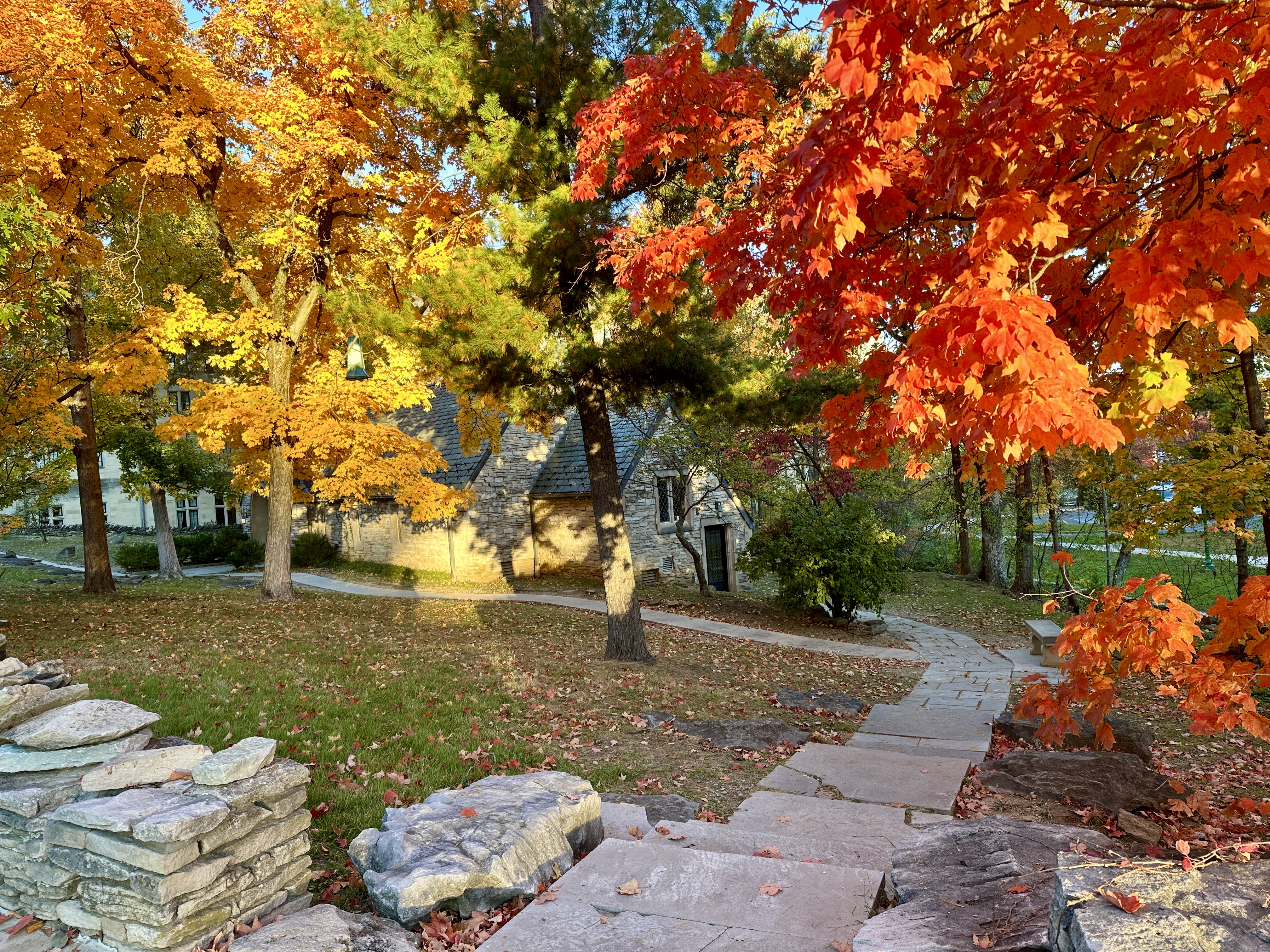
I see the land grow hilly and wooded as I go south. From my start date in September to December, I watch autumn advance. Days shorten: I set out before dawn and return around sundown. Leaves inflame, then drop. I like the morning drives best when mist pools in the dells of cornfields.
Abstract: Most writing centers staffed by peer tutors undergo regular turnover of employees as they graduate. While a consistent training program for new tutors can ensure that the entire staff knows the essentials of one-to-one writing pedagogy, no such program can cover everything. Often, tutors continue their learning through professional development (PD) meetings that focus on more advanced topics chosen by the center’s leaders. To keep the entire staff engaged, including returning tutors, the PD curriculum must change from semester to semester. Yet, that means that some tutors will miss out on topics covered in a semester before their hiring. In contexts of high turnover, how can tutor educators sustain tutors’ knowledge? This article offers one solution: online PD modules that reward completion with badges.
In Sea-Tac Airport, hectic and congested, one gate opens a serene vision. Rising 33 feet across vast windows, “I Was Dreaming of Spirit Animals” introduced me to the folkloric glass painting of Cappy Thompson. I happened upon another of her installations, “Stars Falling on Alabama,” at the Montgomery Museum of Fine Arts. And our most recent visit to the Seattle area brought me to the Museum of Glass, where I encountered her “Gathering the Light.” These bejeweled stories make me wish I could step inside.
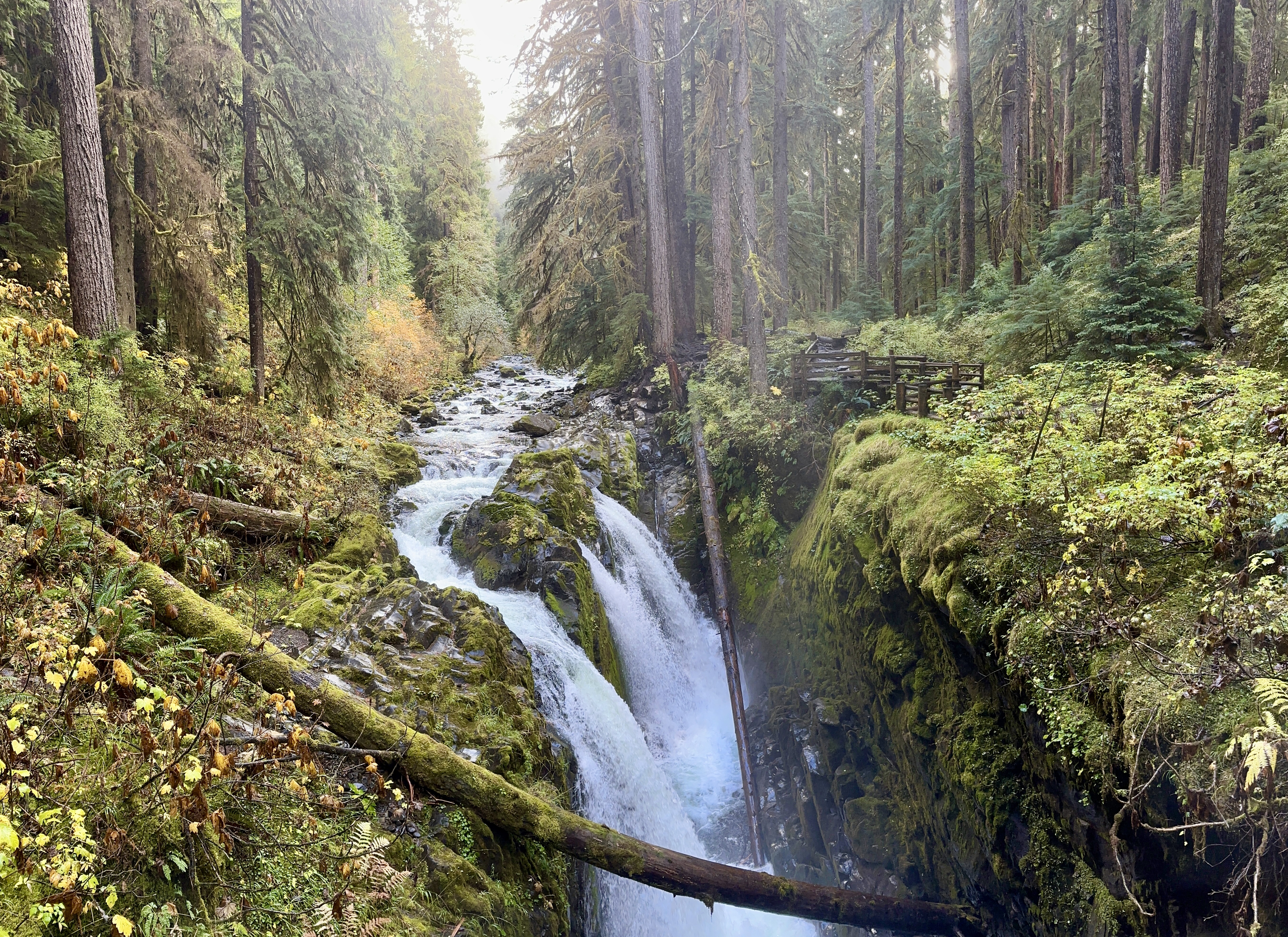
In the Pacific Northwest, sojourners can step inside kingdoms of mossy forests and majestic mountains. A delicate balance kept these systems thriving for millennia. Salmon, for instance, feed other animals, people, and even trees with the nitrogen they bring inland from the ocean. The fish’s remains nourish not only predators and scavengers, but the roots of ancient plants.
Basgier, Christopher, Layli Miron, and Richard Jake Gebhardt. “Developing Consultants’ Multimodal Literacy through ePortfolios.” Praxis: A Writing Center Journal, vol. 22, no. 1, 2024, pp. 47-61.
Abstract: Writing center consultant training must account for the multiple media and modes students use as they compose on new digital platforms. While most consultants come to writing center work already confident in traditional literacies, to advise on multimodal projects, they also need to understand how elements such as visual design, navigability, and accessibility play into the rhetorical situation. Starting in 2021, our writing center assigned an ePortfolio-focused professional development curriculum to our consultants, culminating with their creation of websites that integrated and showcased their knowledge, skills, and abilities. The authors studied the consultants’ responses over the first two years of implementation, collecting data from surveys, session observations, and interviews, which we analyzed through inductive and deductive coding. Our results indicate that consultants advanced their understanding of multimodality through their participation in the ePortfolio curriculum and applied their learning in consultations not only about ePortfolios, but also about other visually rich media and application materials. Other writing centers may consider incorporating ePortfolios into their tutor development programs.
In the last dream I had before the alarm woke me, I had been walking under the tall trees in our yard, observing the plants and wildlife. Suddenly, I realized I was trespassing. This land had new owners.
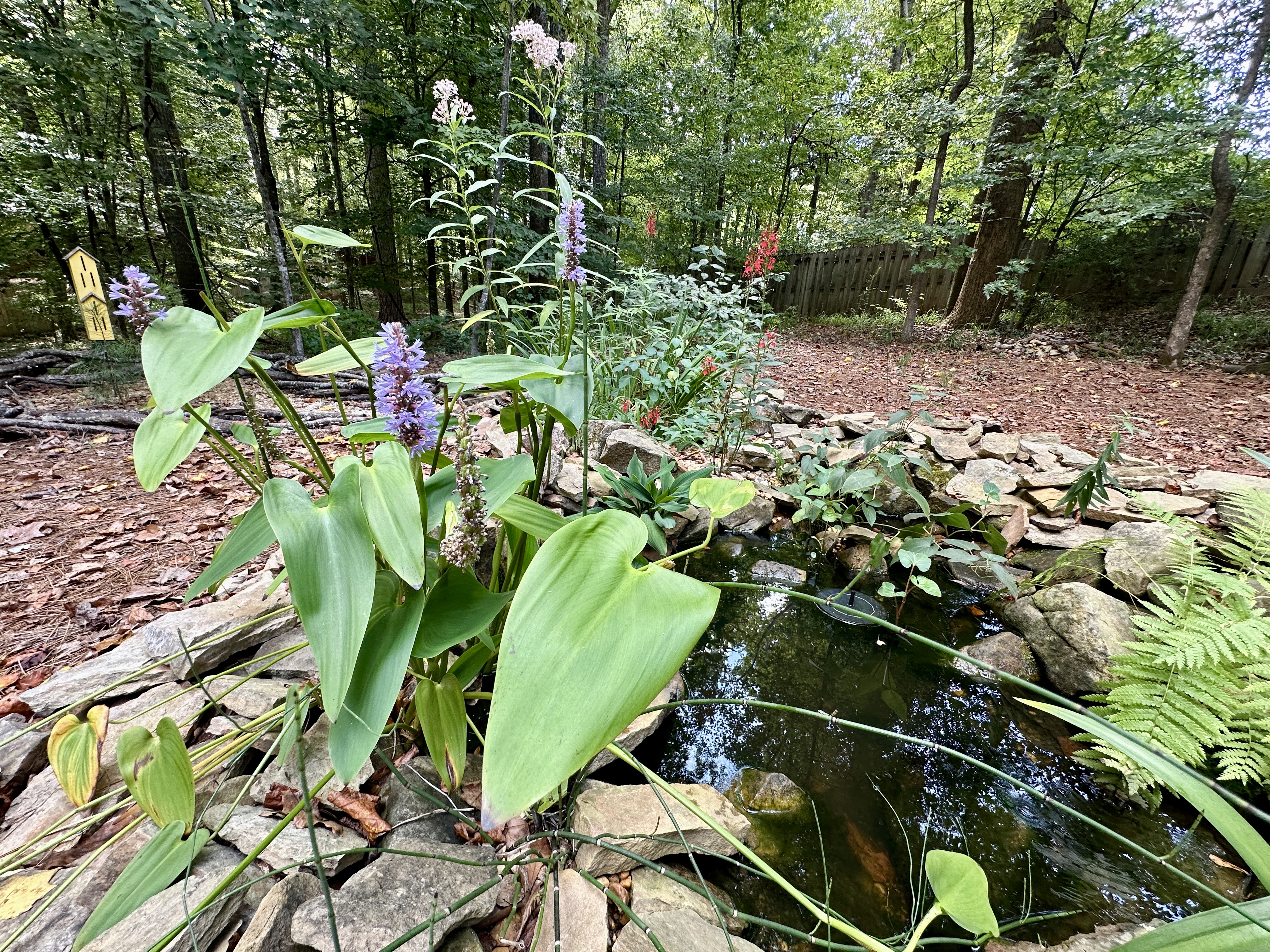
The water garden on our last day with it. Pickerelweed, milkweed, and cardinal flower were all in bloom.Continue reading →
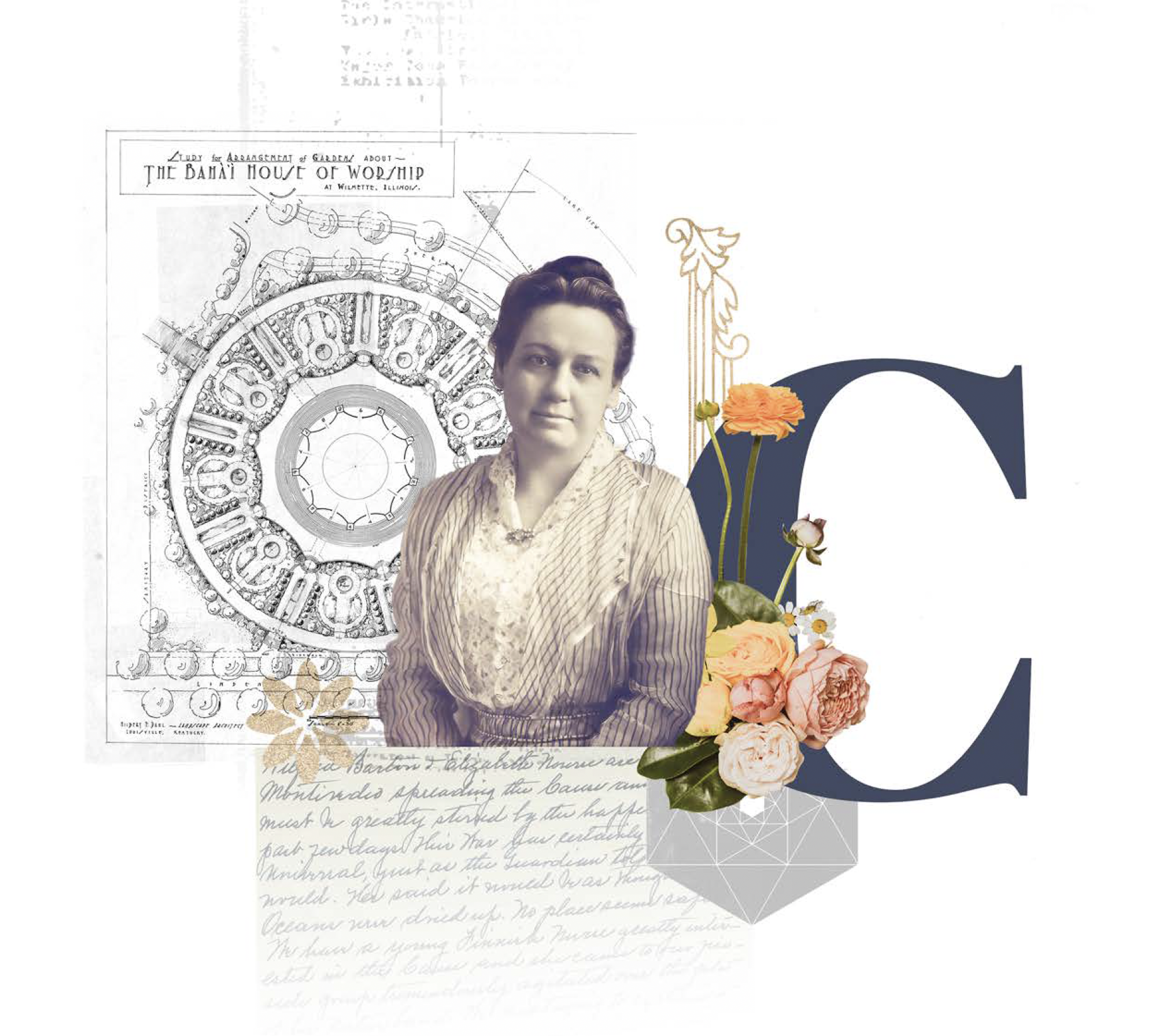
Some people think of history as a collection of names and dates with little relevance to their own lives. In contrast, the Corinne True Center for Bahá’í History promotes the study of religious history and scripture as a lively method for understanding spiritual teachings that can transform society.
Founded in January 2024 by the National Spiritual Assembly of the Bahá’ís of the United States, the Center takes its name from Corinne Knight True (1861–1961).
Illustration courtesy of The American Bahá’í magazine (volume 55, number 5, page 36).Continue reading →
A year ago, I enjoyed witnessing two of the tadpoles I’d been given develop into froglets and then big, beautiful frogs. Come winter, evidently, they managed to hibernate at the bottom of the pond, surviving even when a January cold snap coated the surface with an inch of ice.
By this spring, we’d had a year and a half together—me watching intently and hoping for their wellbeing, them tolerating my presence. I was intrigued when, one day, I noticed the two frogs wrestling. Shortly thereafter, while I sat on the porch in a rainstorm, I saw one of them hop away from the pond and across the yard—and that was that. Not so much as a parting ribbit.
Last year, I heard a birdsong that astounded me with its melody. The Merlin app’s Sound ID told me it was a wood thrush, describing the call as haunting and flute-like. This spring, I was thrilled to hear the trill again: the wood thrush had made it back from his wintering grounds in Central America. I’ve never laid eyes on this bird since he stays in the most forested parts of the neighborhood, heightening the mystery of his wordless ballad.
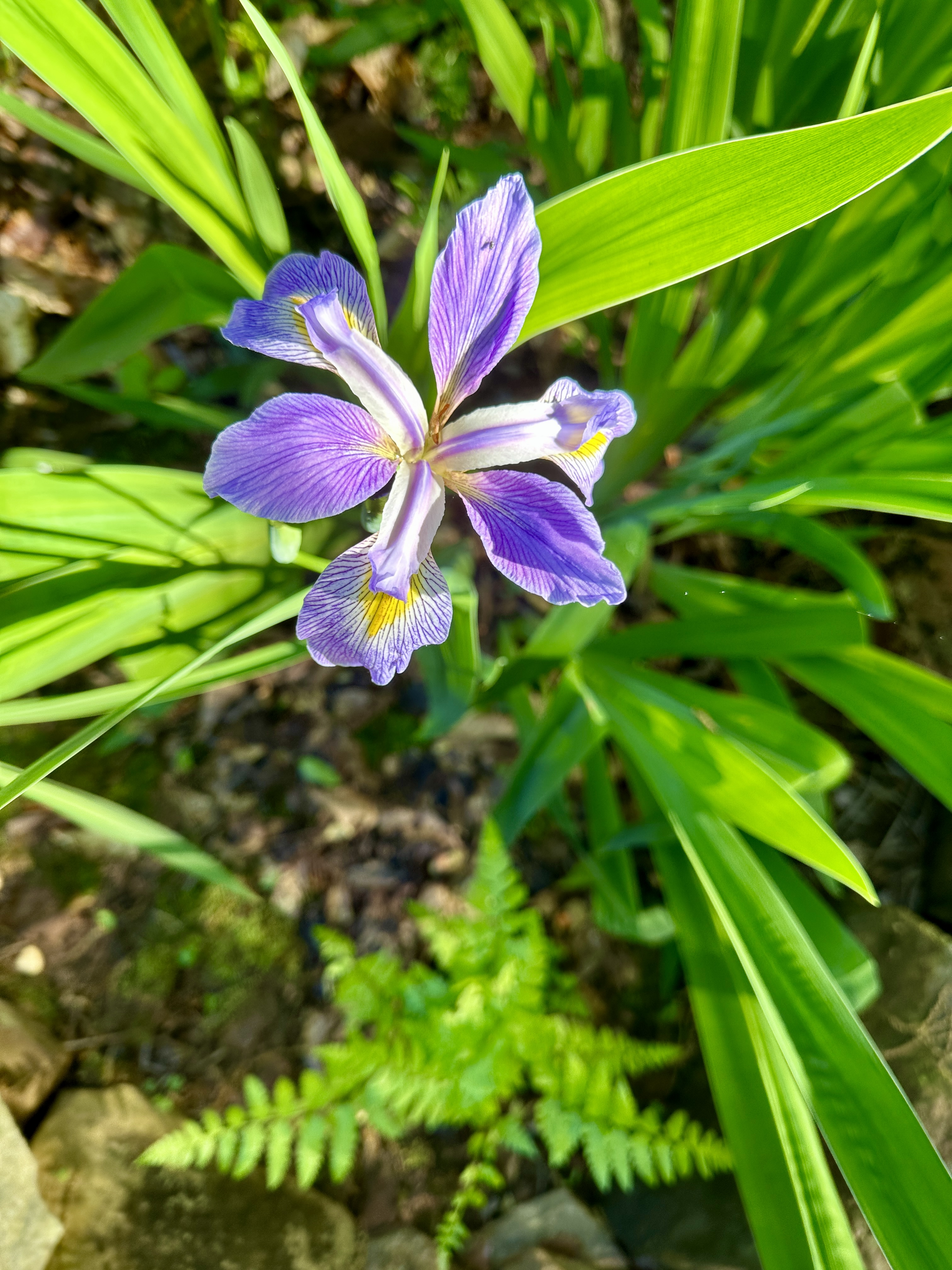
Southern blue flag iris rises above a Dixie wood fern in our tiny rain garden.Continue reading →
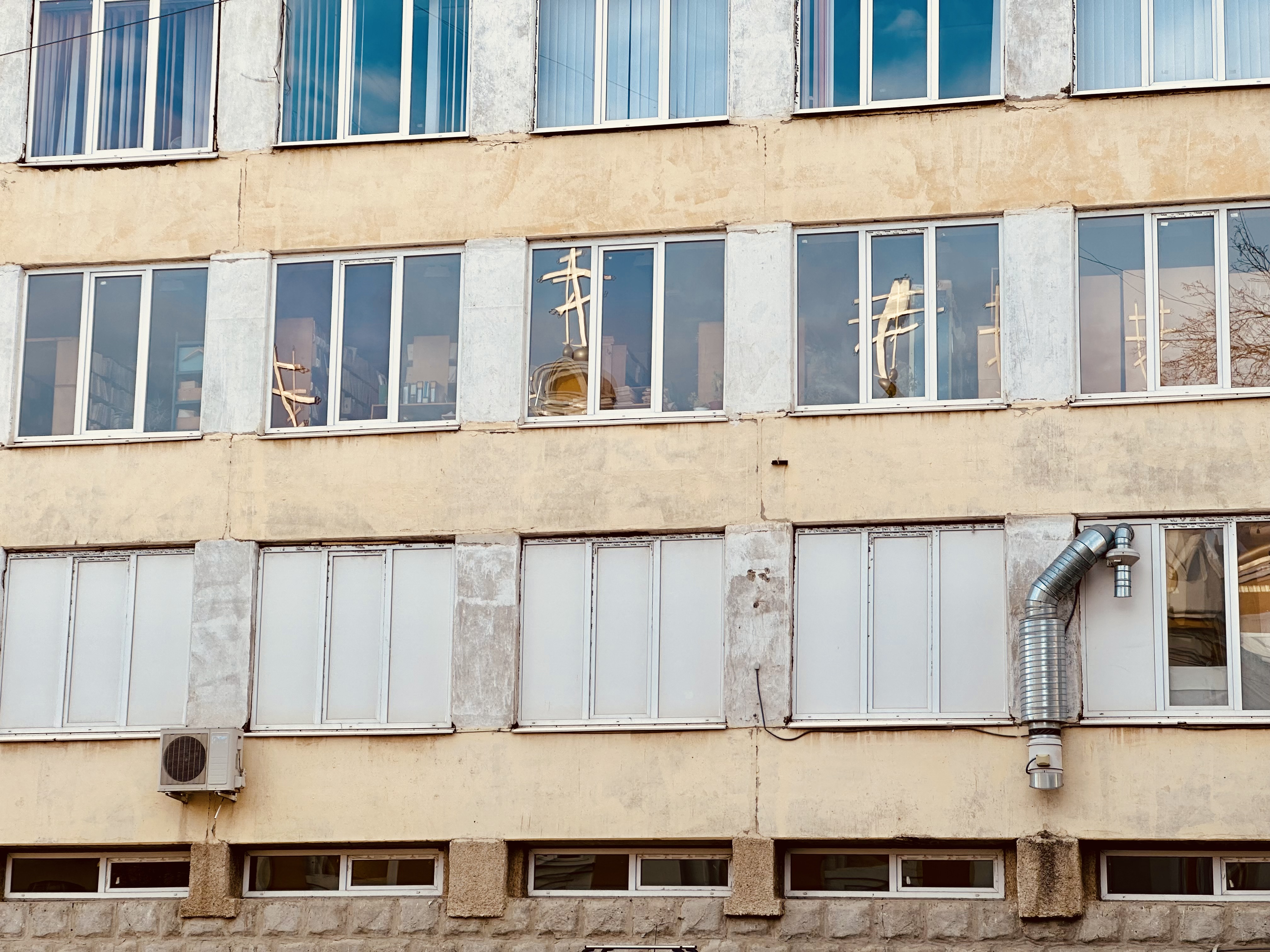
An academic building reflects a church on the campus of Moldova State University.
My husband, Sergey, is from Moldova, though it has now been more than a decade since he lived there. Before he left, his few family members also emigrated—his brother to Russia and his mother to the United States. Until recently, I hadn’t had the opportunity to meet his brother. We had planned to visit Russia while I was in grad school, but then the pandemic began, and then the terrible war in Ukraine, and the prospect of setting foot in Russia dimmed. So, when Sergey heard that his brother, sister-in-law, and their children would be coming to Moldova, we took the rare opportunity to see them. Given the effort of getting to Eastern Europe, it only made sense to add stops so Sergey could visit Moldovan friends who had emigrated to Romania and Germany.
In the midst of time with Sergey’s family and friends, and on days when I wasn’t in bed contending with the foodborne bacteria and airborne virus that in quick succession welcomed me to Eastern Europe, I limned some word portraits of the three cities where we stayed: Bucharest, Chisinau, and Munich.

 Layli Maria Miron