New Corinne True Center to Amplify Voices from Baha’i History

Some people think of history as a collection of names and dates with little relevance to their own lives. In contrast, the Corinne True Center for Bahá’í History promotes the study of religious history and scripture as a lively method for understanding spiritual teachings that can transform society.

Founded in January 2024 by the National Spiritual Assembly of the Bahá’ís of the United States, the Center takes its name from Corinne Knight True (1861–1961).

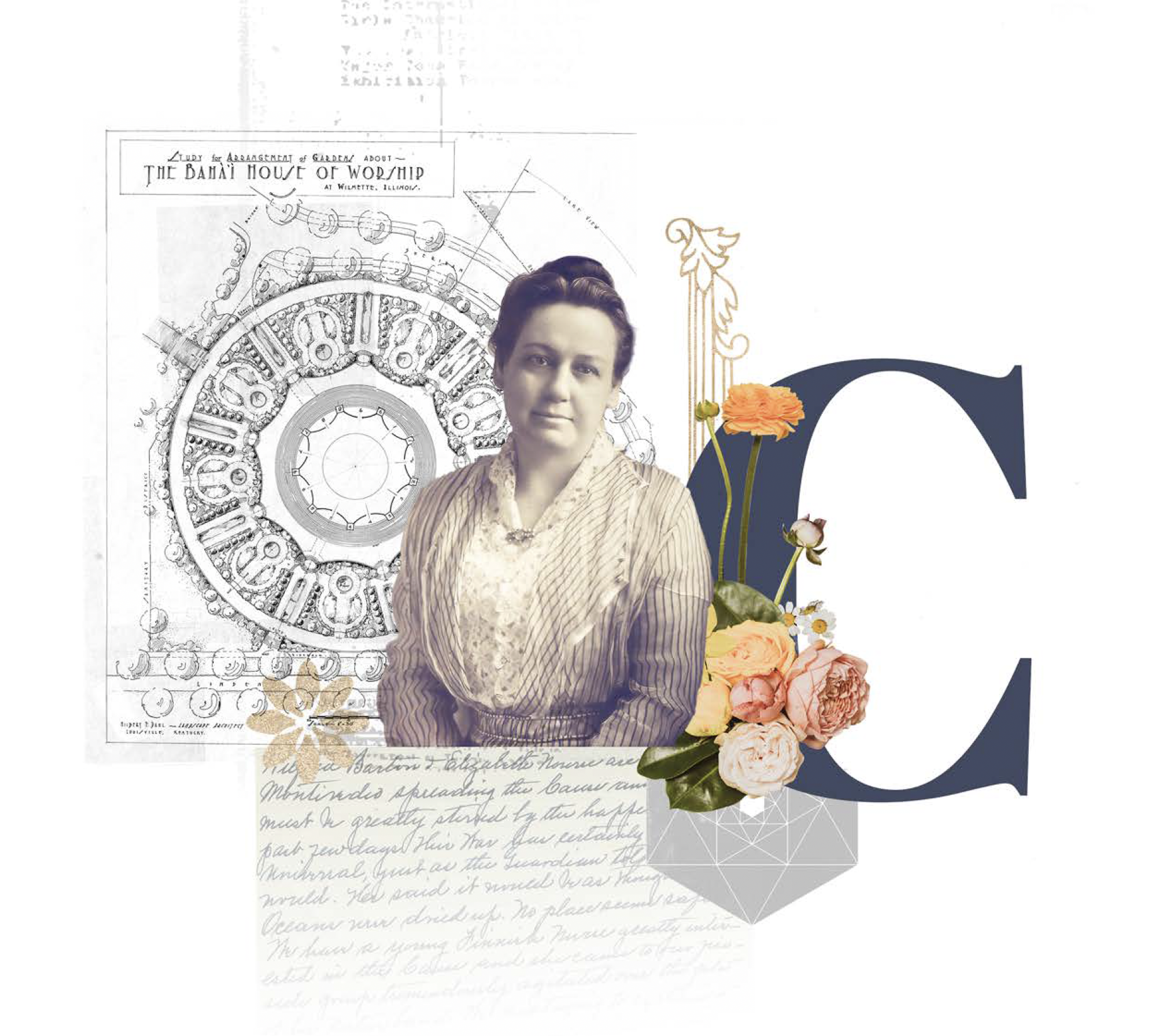
A combination of images depicting a nineteenth-century woman, an architectural plan, and a letter.
Illustration courtesy of The American Bahá’í magazine (volume 55, number 5, page 36).
Continue reading

Wildness and Pets

A year ago, I enjoyed witnessing two of the tadpoles I’d been given develop into froglets and then big, beautiful frogs. Come winter, evidently, they managed to hibernate at the bottom of the pond, surviving even when a January cold snap coated the surface with an inch of ice.

By this spring, we’d had a year and a half together—me watching intently and hoping for their wellbeing, them tolerating my presence. I was intrigued when, one day, I noticed the two frogs wrestling. Shortly thereafter, while I sat on the porch in a rainstorm, I saw one of them hop away from the pond and across the yard—and that was that. Not so much as a parting ribbit.

Continue reading

Of Birdsongs, Blossoms—and Beets

Last year, I heard a birdsong that astounded me with its melody. The Merlin app’s Sound ID told me it was a wood thrush, describing the call as haunting and flute-like. This spring, I was thrilled to hear the trill again: the wood thrush had made it back from his wintering grounds in Central America. I’ve never laid eyes on this bird since he stays in the most forested parts of the neighborhood, heightening the mystery of his wordless ballad.

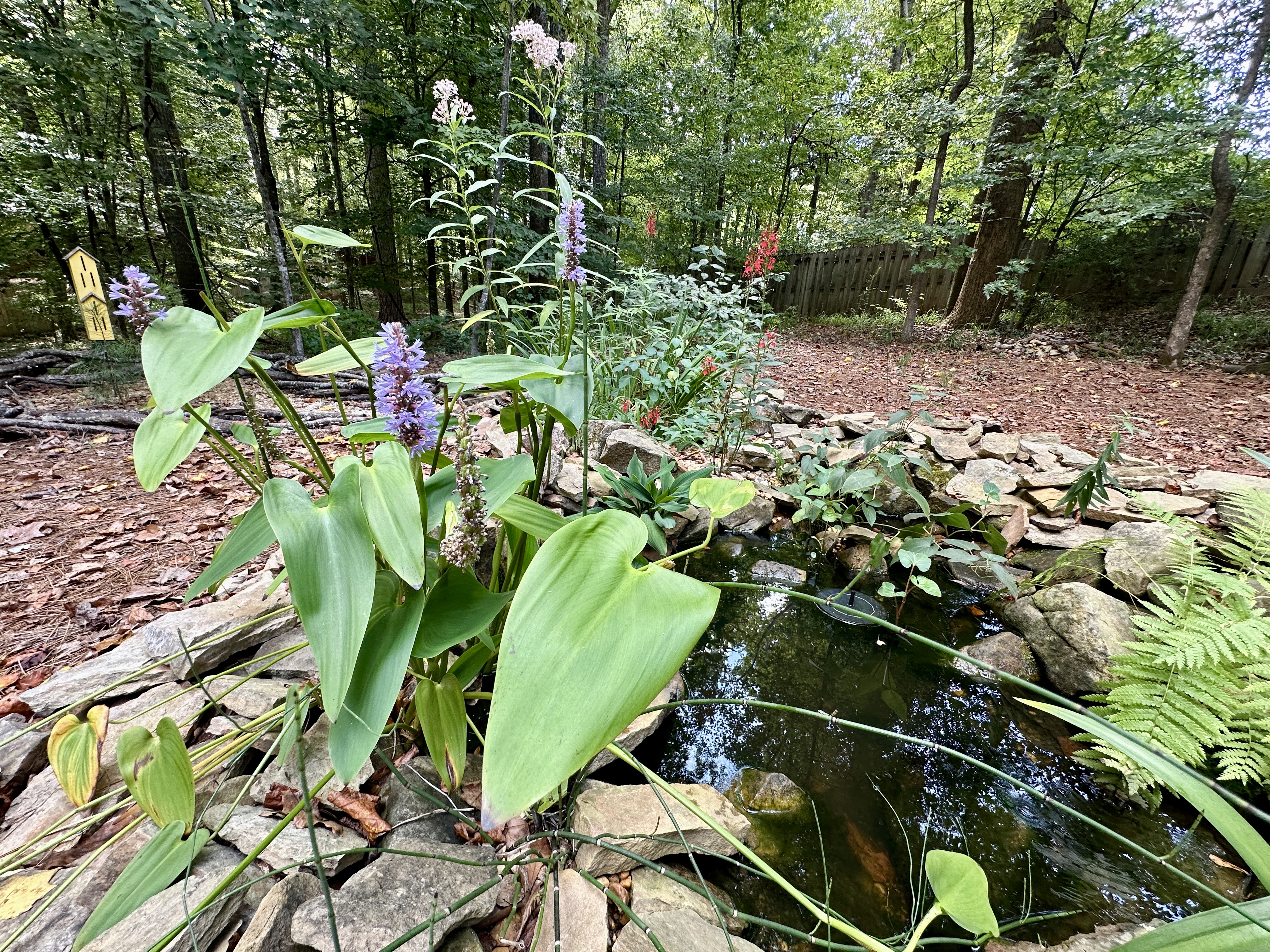
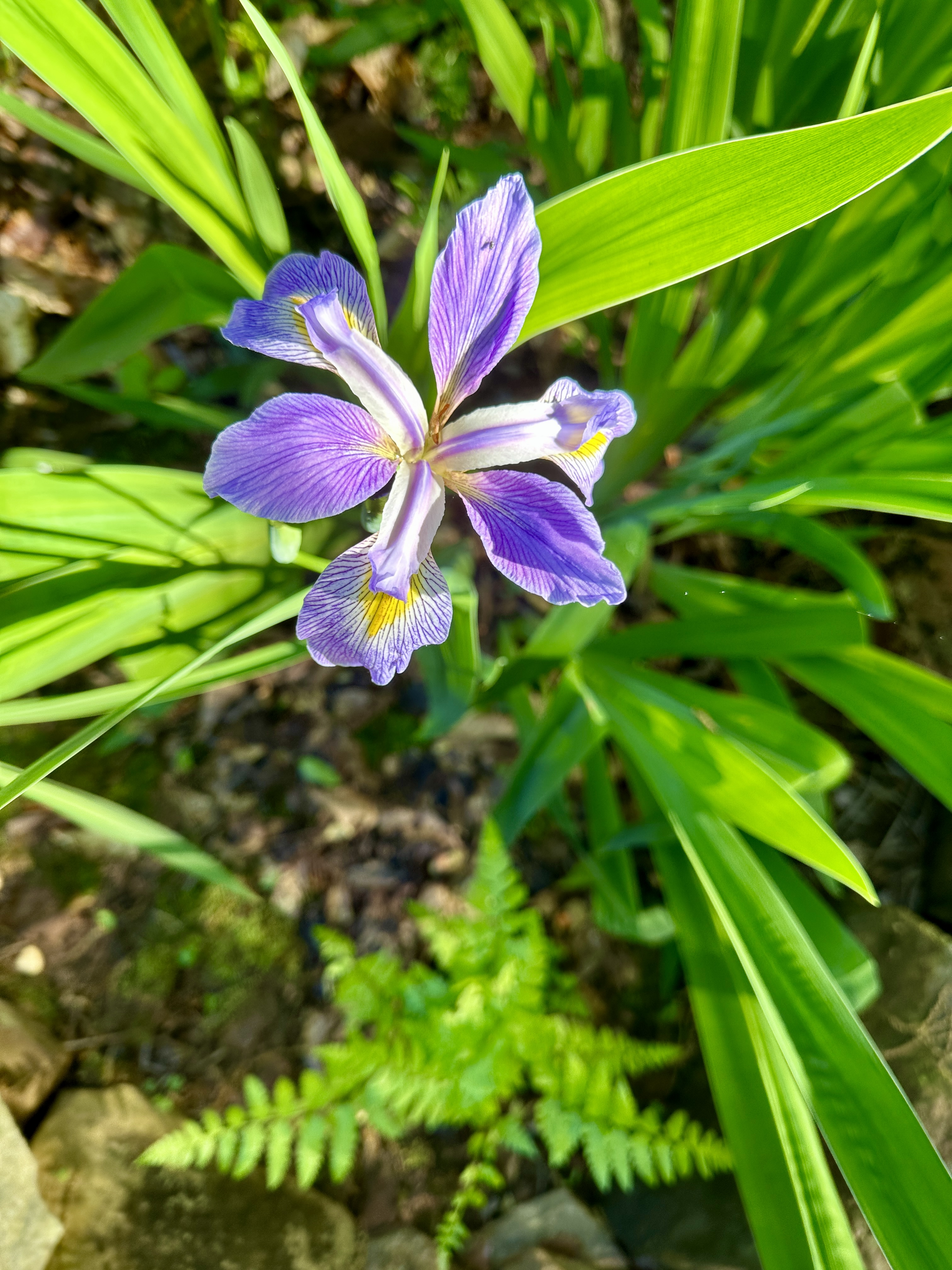
Greenery surrounds a purple iris flower.
Southern blue flag iris rises above a Dixie wood fern in our tiny rain garden.
Continue reading

Journey to My Husband’s Homeland

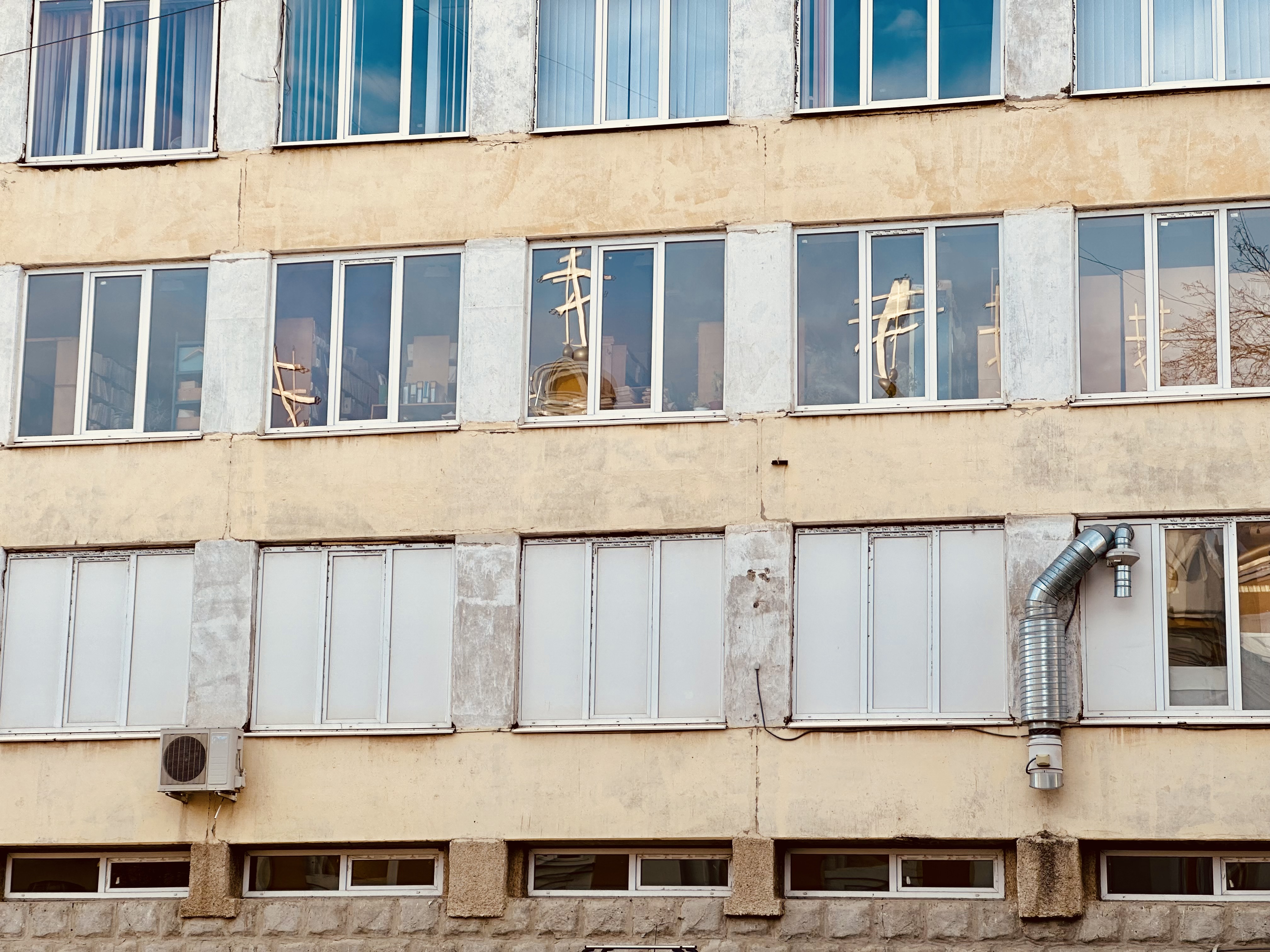
In an academic building's windows, the crosses and golden domes of an Orthodox Christian church reflect.
An academic building reflects a church on the campus of Moldova State University.

My husband, Sergey, is from Moldova, though it has now been more than a decade since he lived there. Before he left, his few family members also emigrated—his brother to Russia and his mother to the United States. Until recently, I hadn’t had the opportunity to meet his brother. We had planned to visit Russia while I was in grad school, but then the pandemic began, and then the terrible war in Ukraine, and the prospect of setting foot in Russia dimmed. So, when Sergey heard that his brother, sister-in-law, and their children would be coming to Moldova, we took the rare opportunity to see them. Given the effort of getting to Eastern Europe, it only made sense to add stops so Sergey could visit Moldovan friends who had emigrated to Romania and Germany.

In the midst of time with Sergey’s family and friends, and on days when I wasn’t in bed contending with the foodborne bacteria and airborne virus that in quick succession welcomed me to Eastern Europe, I limned some word portraits of the three cities where we stayed: Bucharest, Chisinau, and Munich.

Continue reading

“Spiritual Triplets” Organize Center for Community Building among Birmingham’s Black Population

Birmingham, Alabama, has long been a center of Black activism. Today, a program to bring more Black people into the community-advancing work of the Baha’i Faith is taking shape in this historic city. The Pupil of the Eye Cultural, Learning and Visitors Center serves as a home base for efforts to empower residents to build thriving neighborhoods. Its name refers to the teaching of Baha’u’llah likening Black people to the pupil of an eye, through which “the light of the spirit shineth forth.”

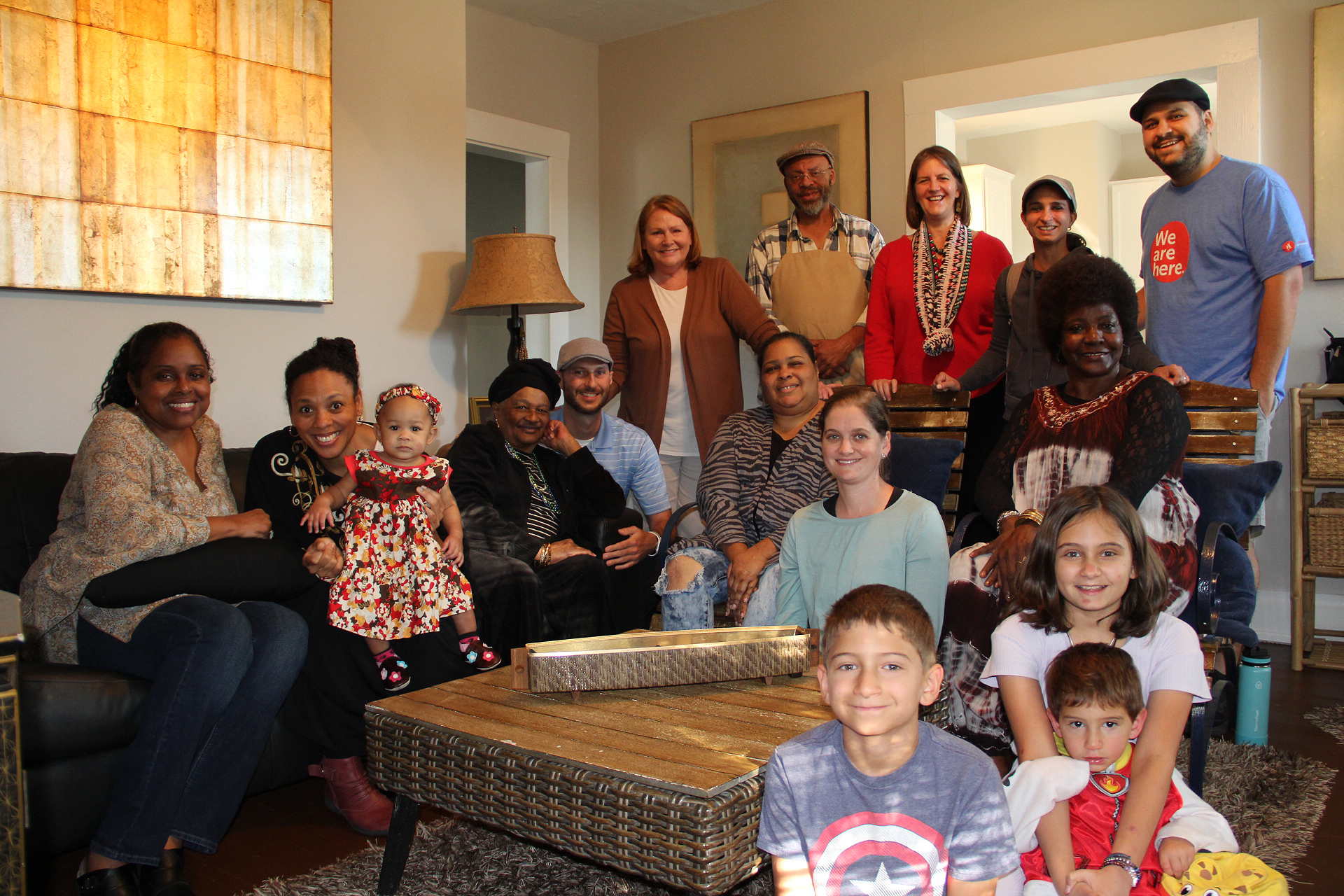
Sixteen people at a gathering.
Aliyah Aziza Ogbue’ (left), Arnicia Tucker (seated, center right), and Angela Murray (seated, above right) joined Birmingham-area friends recently at a Bessemer, Alabama, house being dedicated as the Pupil Place.
Continue reading

Maypop Meditation

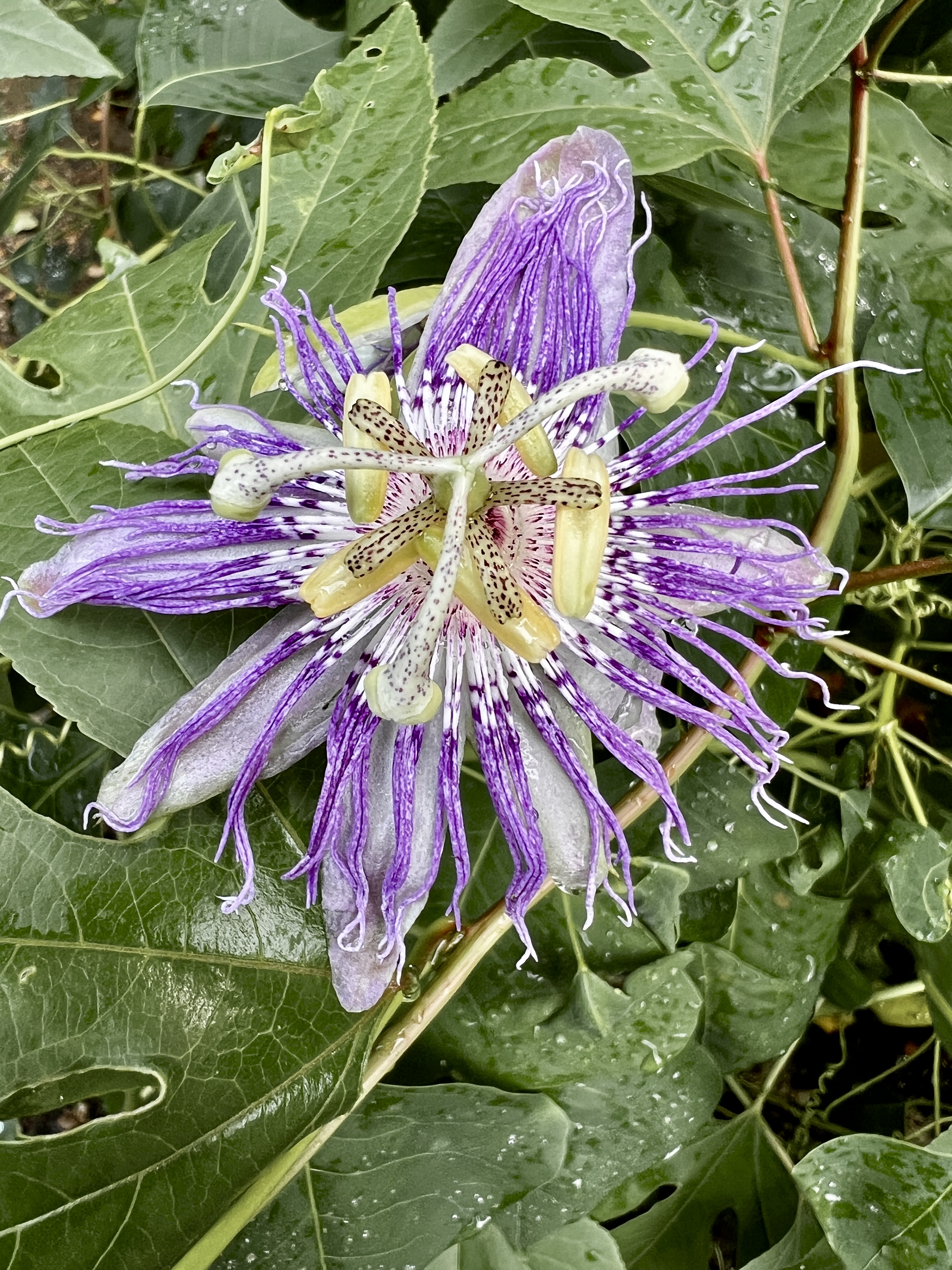
After a June rainstorm, a magical flower blooms. It is exuberantly layered, an extravagant purple wedding cake on a vine by the side of the road. Petaled, fringed, striped, spotted—hypnotic. Bees feel as I do, transfixed, drawn to this short-lived blossom. This is maypop or purple passionflower, Passiflora incarnata, native to the Southeastern United States, though it looks like the kaleidoscopic creation of an otherworldly jungle.

A passionflower in bloom.
Continue reading

Writing on the Wall: Writing Education and Resistance to Isolationism

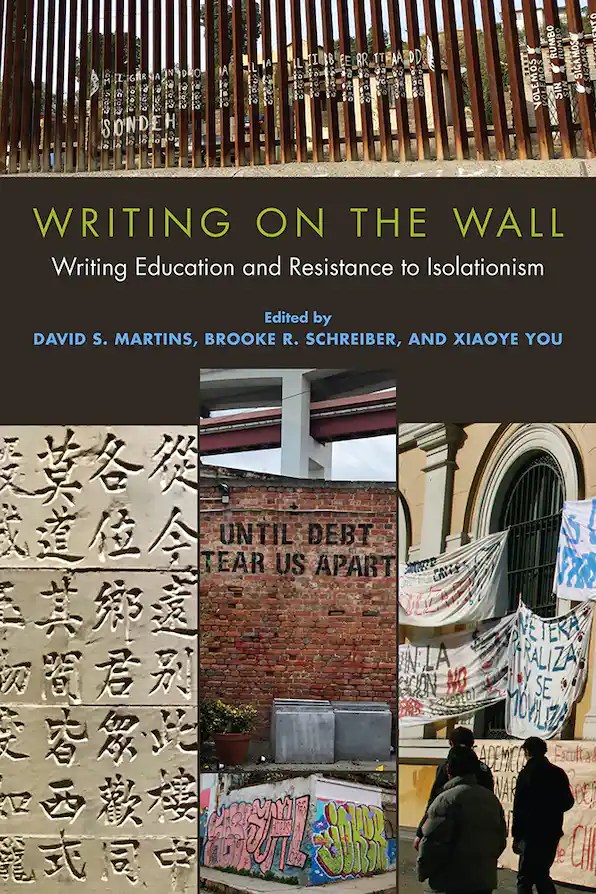
The cover of the book Writing on the Wall. The illustrations show graffiti, inscriptions, and signs on various walls.
Cover of Writing on the Wall, featuring four photographs I took.

Miron, Layli Maria. “Public Pedagogy and Multimodal Learning on the US-Mexico Border.” Writing on the Wall: Writing Education and Resistance to Isolationism, edited by David S. Martins, Brooke R. Schreiber, and Xiaoye You. Utah State University Press, 2023, pp. 129-150.

My contribution appears as Chapter 8 in this edited collection, which considers how writing educators can challenge isolationism and xenophobia. You can read the introduction to my chapter below. The essay is drawn from Chapter 4 of my dissertation.

Continue reading

Frog Pond at Half a Year

A brown frog sits on a stone next to water.
A Southern leopard frog sits under a golden club plant in my pond.

For a while, the tadpoles made themselves invisible. But gradually, as winter turned to spring, they began showing themselves. Tiny legs grew, then lengthened. 

By late spring, they’d metamorphosed into frogs. Now, breathing air and warming their cold-blooded bodies in the sun, the frogs perched atop stones, allowing me to count them: four tadpoles had survived to froghood.

Continue reading

Water Gardening

Water and stones alone do not make a healthy pond. It needs plants, which provide habitat for animals and filter nutrients out of the water, keeping it clearer and resistant to algal blooms. Plus, when you fill a pond with plants, you can call it a “water garden,” conjuring images of fragrant blossoms nodding at their reflections in limpid pools. Ideally, a pond will have both plants that live fully in the water—submerged plants rooted to the bottom as well as floating ones—and marginal (or “emergent”) plants that live on the banks in perpetually damp soil.

A large purple flower with yellow highlights rises out of the water. Behind it are lily pads. Below it is its own reflection.
A tropical waterlily I admired in the San Francisco Conservatory of Flowers.
Continue reading

Building a Pond

I’d announced to the backyard my intention to make a pond there, but no frogs had volunteered to serve as architects. So, it was up to Sergey and me to design and build it. A lot of online reading about wildlife ponds, frog ponds, toad ponds, amphibian ponds, etc. ensued.

After what felt like years’ worth of moonlighting as a pond researcher, I finally convinced Sergey that our creation wouldn’t become a cesspool populated by breeding mosquitos and venomous snakes. Or, more accurately, his naturally kind-hearted desire to support my hopes and dreams outweighed his many qualms. It was now time to start procurement.

Continue reading