New Corinne True Center to Amplify Voices from Baha’i History

Some people think of history as a collection of names and dates with little relevance to their own lives. In contrast, the Corinne True Center for Bahá’í History promotes the study of religious history and scripture as a lively method for understanding spiritual teachings that can transform society.

Founded in January 2024 by the National Spiritual Assembly of the Bahá’ís of the United States, the Center takes its name from Corinne Knight True (1861–1961).

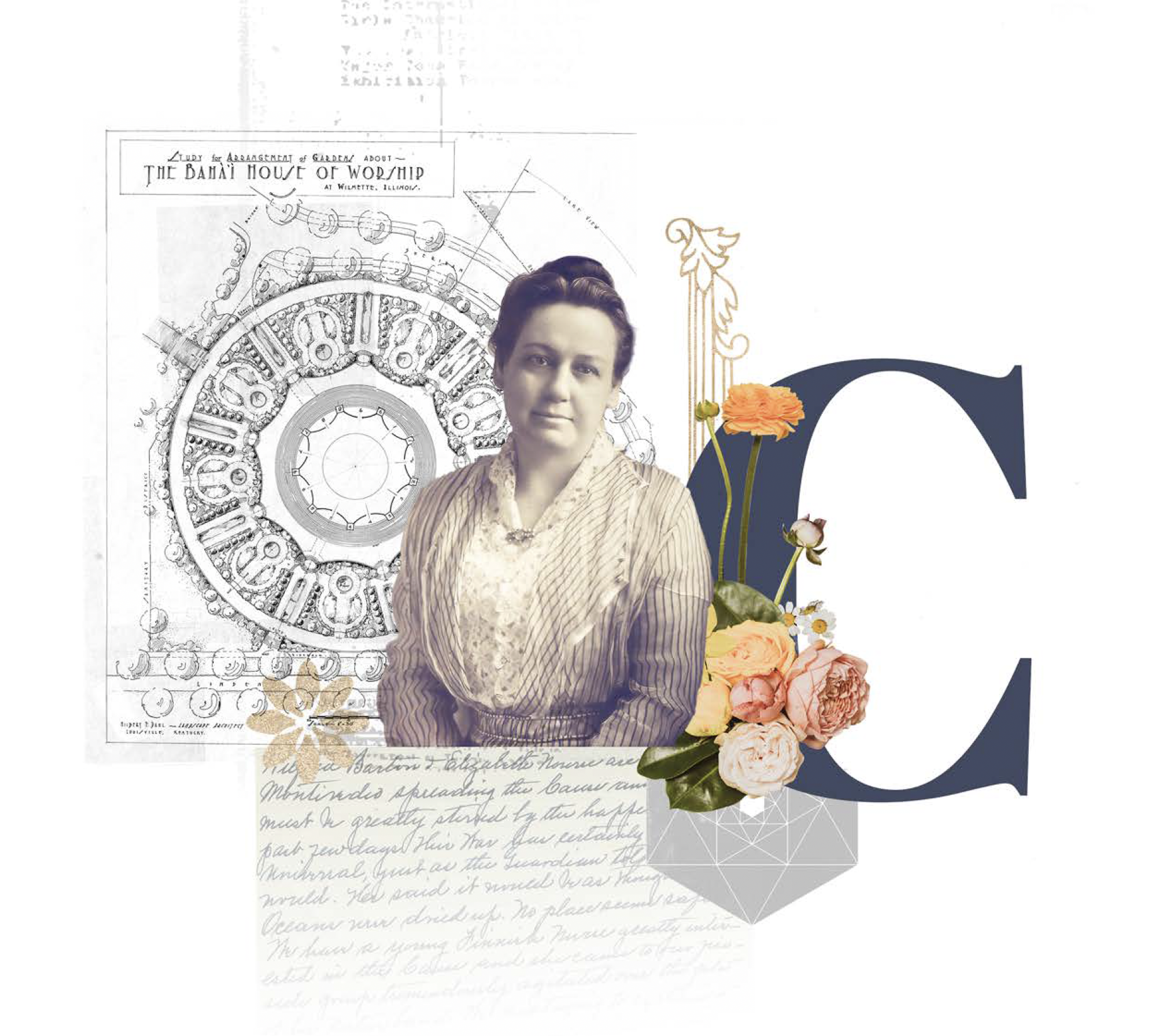
A combination of images depicting a nineteenth-century woman, an architectural plan, and a letter.
Illustration courtesy of The American Bahá’í magazine (volume 55, number 5, page 36).
Continue reading

Journey to My Husband’s Homeland

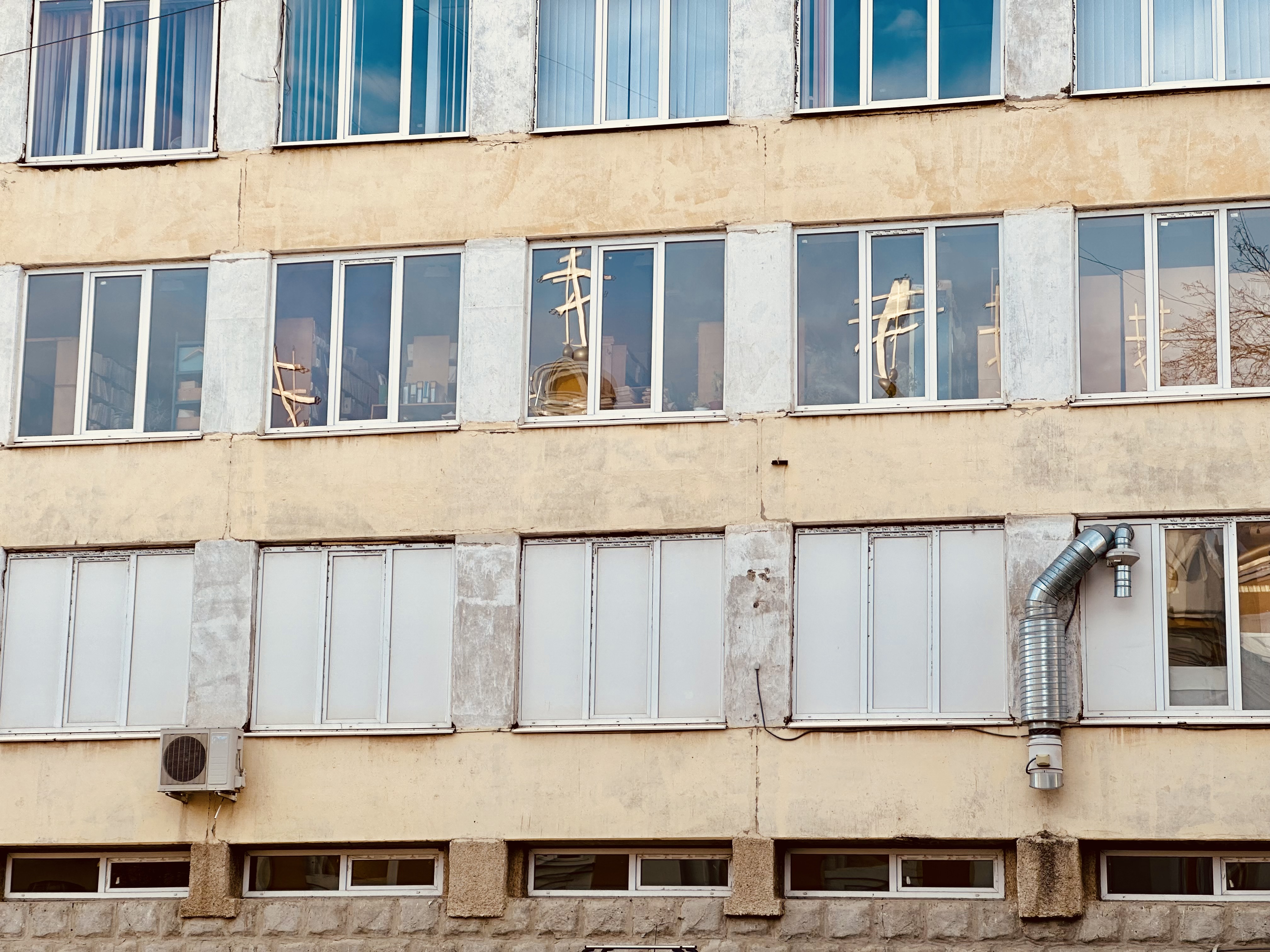
In an academic building's windows, the crosses and golden domes of an Orthodox Christian church reflect.
An academic building reflects a church on the campus of Moldova State University.

My husband, Sergey, is from Moldova, though it has now been more than a decade since he lived there. Before he left, his few family members also emigrated—his brother to Russia and his mother to the United States. Until recently, I hadn’t had the opportunity to meet his brother. We had planned to visit Russia while I was in grad school, but then the pandemic began, and then the terrible war in Ukraine, and the prospect of setting foot in Russia dimmed. So, when Sergey heard that his brother, sister-in-law, and their children would be coming to Moldova, we took the rare opportunity to see them. Given the effort of getting to Eastern Europe, it only made sense to add stops so Sergey could visit Moldovan friends who had emigrated to Romania and Germany.

In the midst of time with Sergey’s family and friends, and on days when I wasn’t in bed contending with the foodborne bacteria and airborne virus that in quick succession welcomed me to Eastern Europe, I limned some word portraits of the three cities where we stayed: Bucharest, Chisinau, and Munich.

Continue reading

Museuming

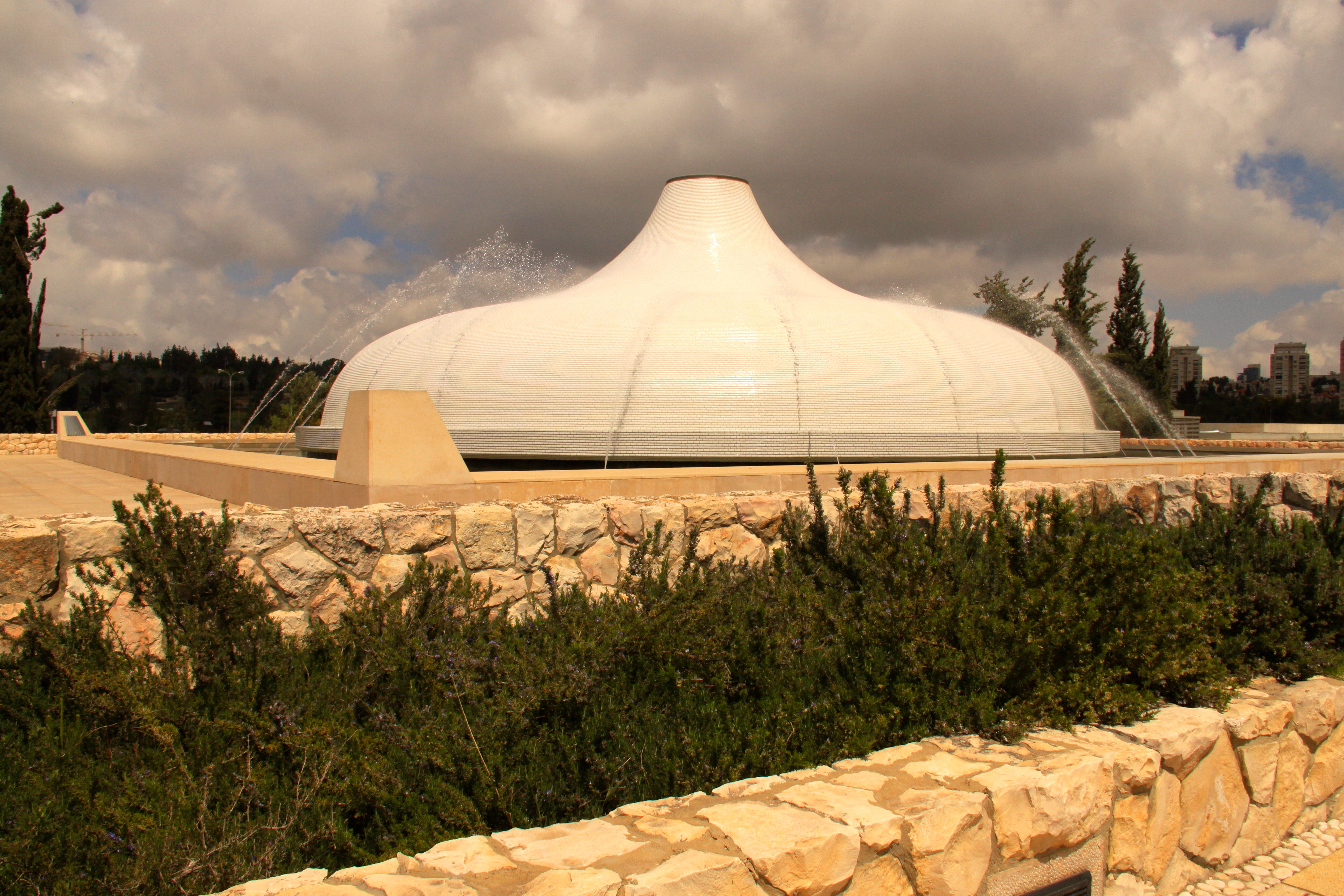
The Shrine of the Book, which houses the Dead Sea scrolls

The Shrine of the Book, which houses the Dead Sea scrolls

Since I arrived, I’d been hearing about the Israel Museum in Jerusalem, home of the fabled Dead Sea scrolls. While I wasn’t sure exactly what the scrolls were, I knew the story about a Bedouin shepherd boy stumbling across the treasure trove of history in some desert caves. So, I knew this museum had to go on my Israel bucket list, and Sergey and I arranged a sherut trip to visit it.

Now, I’ve been in some pretty huge museums before—the Met, the Louvre, the Prado—places where you can easily spend an entire day walking through galleries and still see only a fraction of the collection. While surely smaller than those museums in square footage, the Israel Museum was still giant in scope, covering not only the history of humanity in its archaeological section, but also artwork ranging from the Renaissance to contemporary times with a surprisingly substantial impressionist exhibit, and of course, being the Israel Museum, a series of galleries displaying aspects of Jewish culture, including reconstructed synagogues from around the world.

Suffice it to say, Sergey and I felt like we had run a six-hour marathon running from the Paleolithic to the present by the time we finished!

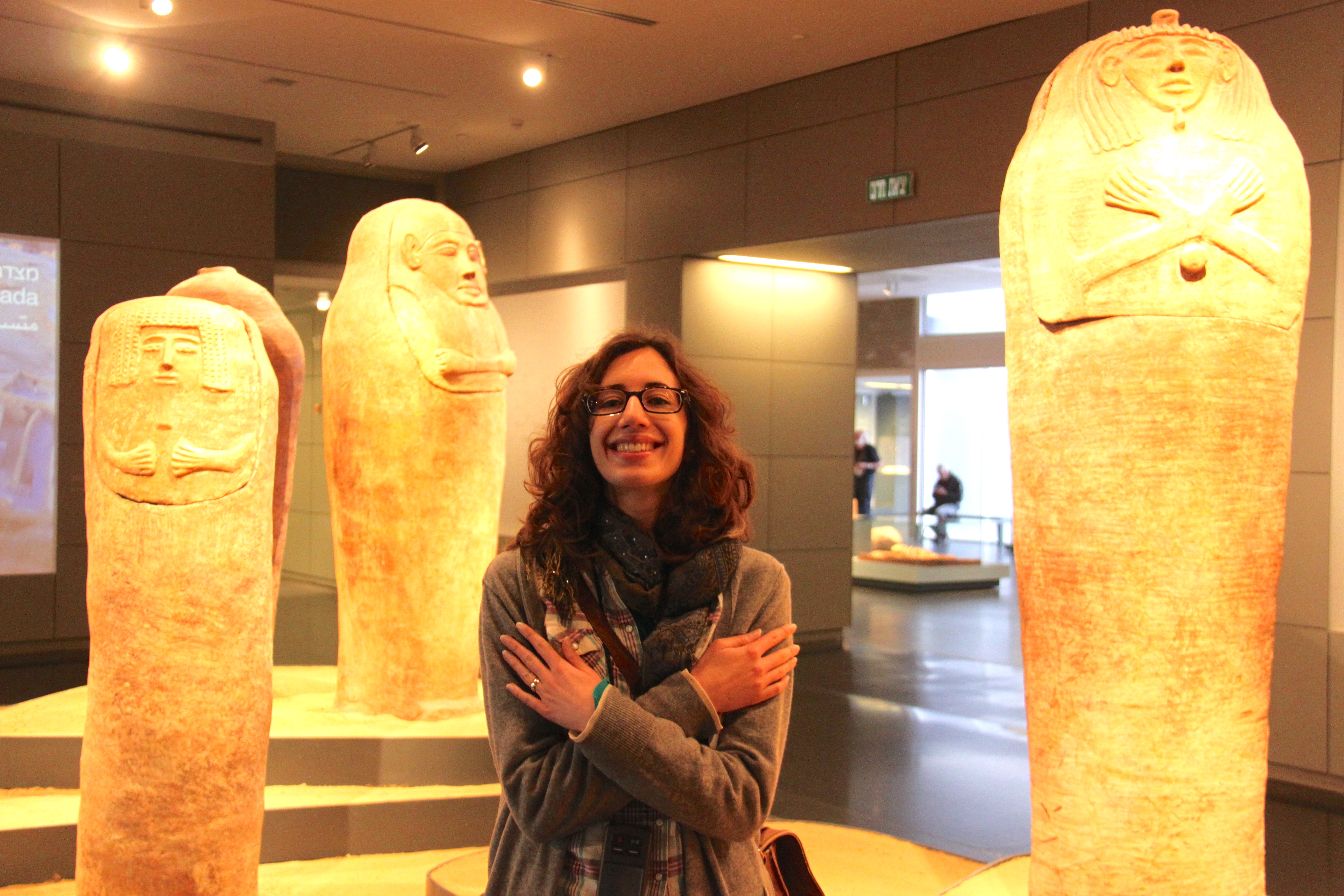
Making new friends

Making new friends

From the blur of fertility figurines, sarcophagi, and pottery, stone, and glass vessels, we drew two conclusions:

  1. Humanity has progressed incredibly fast over the last 200 years compared to the rest of our history, when it took thousands of years for simple advancements in technology, like the transition from stone to metal tools.
  2. Popular souvenir motifs in the Middle East, like the eye beads and pomegranate sculptures you can find in many bazaars and stores here, have not changed for the past few millennia. (One of my favorites from the glass gallery where we saw these popular decorations were small date-shaped glass vials.)

Next up was the Shrine of the Book, the amphora-shaped building that houses the display of some of the Dead Sea scrolls. Here I learned that current theory holds that the scribes of the scrolls belonged to the Essene sect, which had left Jerusalem and moved near the Dead Sea, where they established a sort of farming commune and bathed a lot (one of their tenets was ritual immersion). Moving to the Dead Sea to farm today would be a fool’s errand, unless you had a sort of crop that enjoyed growing in rocks and thrived on saltwater, but at that time, the climate of the Negev Desert was wetter. Seeing the delicate parchment, torn and tattered samples of the collection of almost a thousand such scrolls, made me marvel at how long they have lasted. For adherents of the Hebrew Bible, it must have been an extraordinary find to discover such ancient versions of the chapters still read today. And the scrolls had to survive not only the caves for thousands of years, but also the greed of discoverers—we read a story of a man who smuggled several scrolls to the US and tried to sell them…by posting an ad in the newspaper. They were returned to Israel, thankfully.

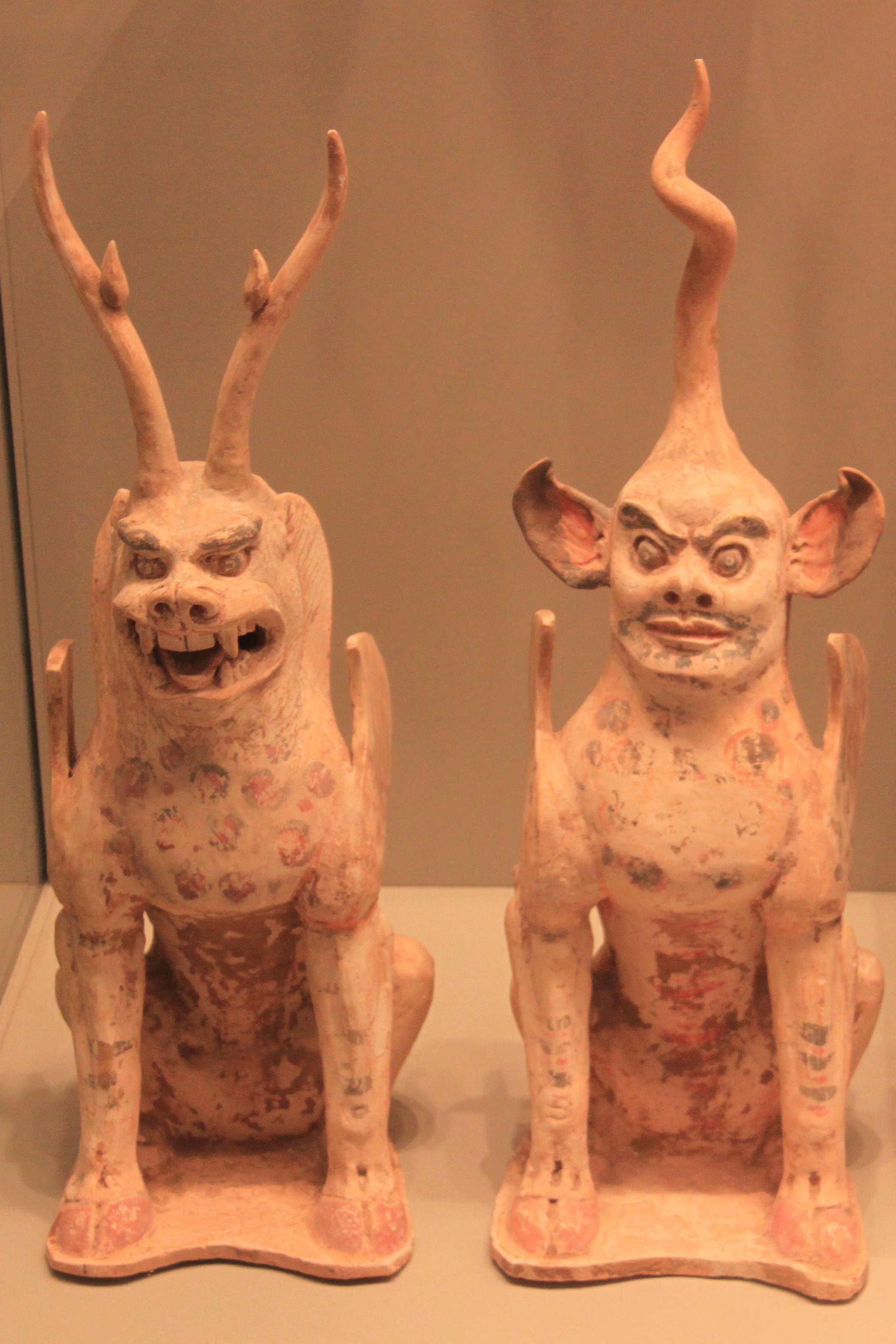
Sort sort of cute demons

Sort sort of cute demons

Finally, we raced through the art galleries, past Monets and odd contemporary installations, and soon we were on the highway back to Haifa, mulling over the past hundred millennia.

Day 6: A palace and a dervish

A few days after leaving Turkey, I had a dream that I was wandering in a vast palace covered with Iznik tiles. I think this was the result of our tour of the Harem of the Topkapi Palace and Tiled Pavilion of the Archaeological Museum, both of which demonstrated an artistic obsession with these intricately painted tiles.
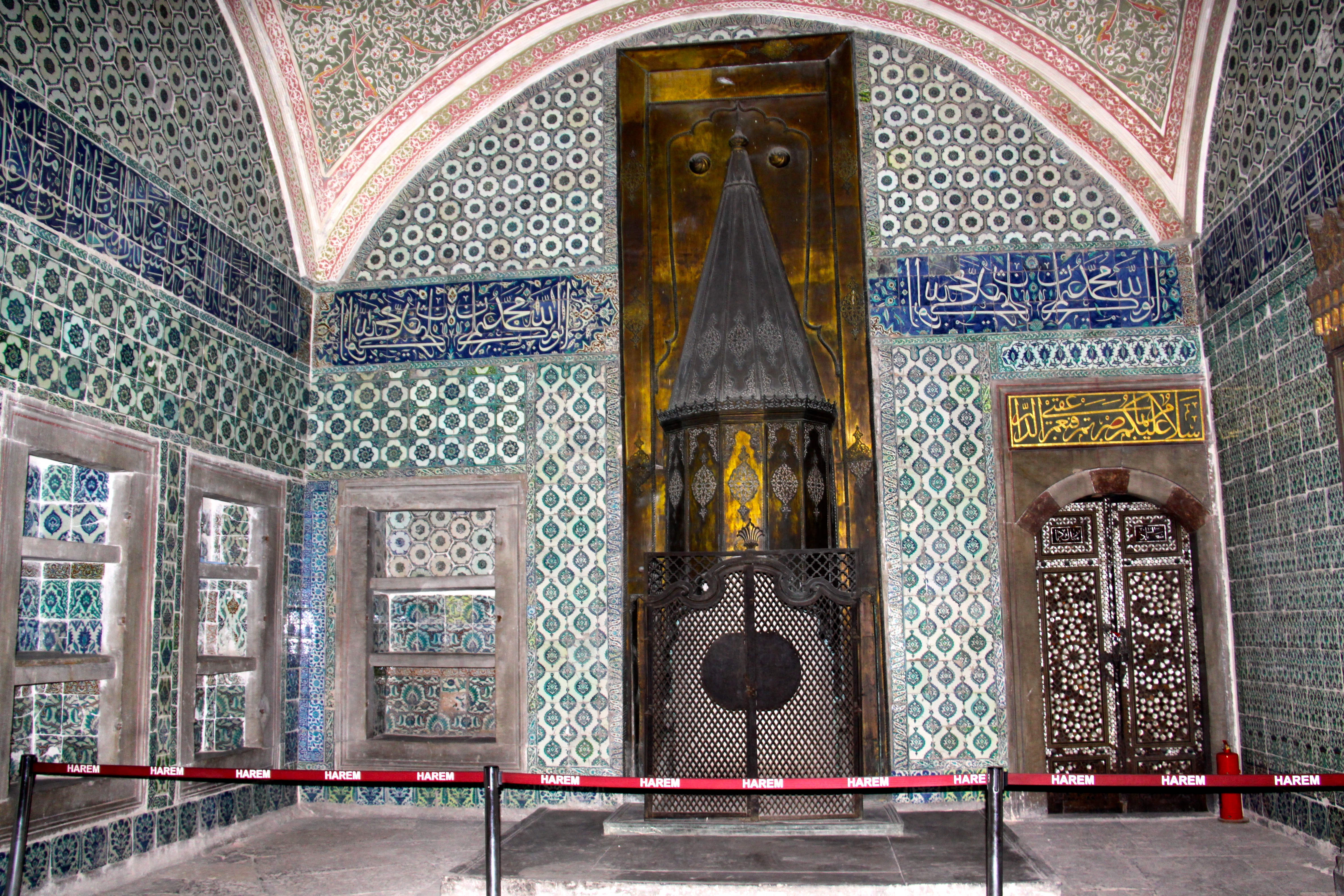
Tiled walls in the Sultan's room

Tiled walls featuring calligraphy surround an ornate fireplace in the Harem.

The day had already turned gray and rainy by the time we got to the palace grounds. The palace is not a single building, but rather a giant complex of buildings around four courtyards. Every sultan made his addition to the complex as new needs arose. At one point 10,000 people lived and worked in the compound, so I suppose the crush of tourists actually helped us imagine how busy this place was when it functioned.

We started with the Harem, the section of the complex where the sultan’s wives and mother lived along with the eunuchs and concubines who tended to the women. Contrary to Western notions, the harem was primarily an administrative establishment, carefully designed to ensure there would be no squabbles over succession because of heirless sultans.

The Harem is the most decorated part of the palace, with many of those Iznik tiles coating chamber after chamber. After touring that part, we began our grueling expedition through sopping courtyards to see the treasury (lots of shiny jewels), the kitchen (unfortunately foodless today), and the armory. In the armory, I found myself suddenly intrigued by a thin sword on display and desperately needing to examine it up close for several minutes, which I assure you was not at all because there was a heat vent below the vitrine. We were amused to find the weapons arranged under signs such as Stabbing, Slicing, Smashing, etc. There were a fair share of funny elements to the palace besides the weapons: the sultan’s throne in his reception chamber appeared big enough to fit ten men side-by-side, the council chamber where the ministers consulted had a window grille above it through which the sultan could listen like a literal eavesdropper, and his mom’s room was located strategically between his room and the rest of the harem. Ah, the tough life of a sultan!
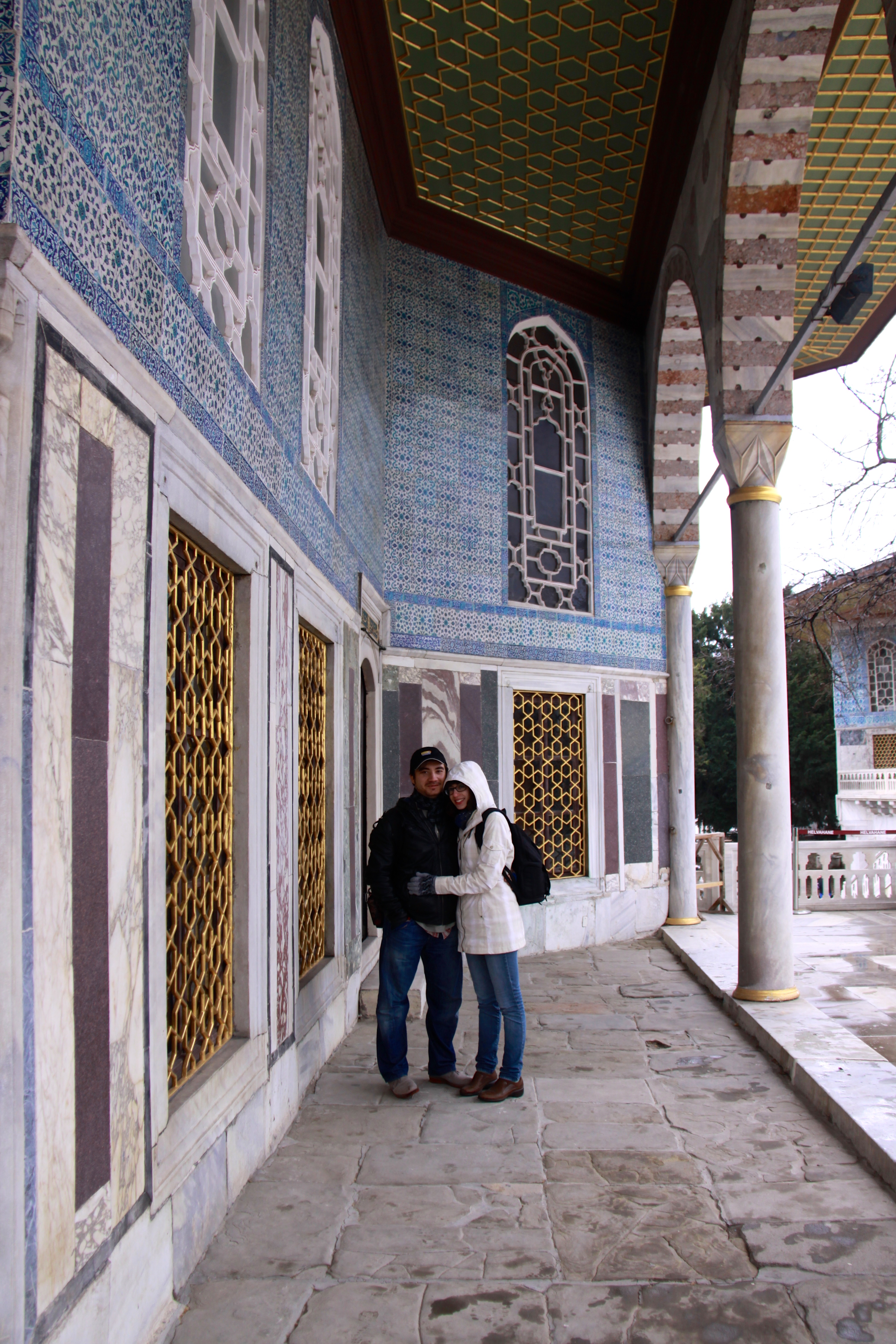
"So...cold..."

“So…cold…”

Hungry and wet from the drizzle, we proceeded to our next stop, the archaeological museum, which is actually a set of three museums. The visit started on a happy note when we found coffee that didn’t cost $10 a cup, approximately the palace price. Now, the café where we lunched had a decent selection with entrees, salads, and sandwiches—but once we had decided on our picks, stomachs growling, we were informed that out of the 20 choices on the menu, they actually only had dolma and pistachio cake in stock.

I guess this was a preview of the rest of the museum, which was under—you guessed it—restoration, and the starring items, such as the famed Alexander Sarcophagus, were off display. A bit perturbed, we made the most of the remaining sarcophagi and their occasionally belligerent inscriptions (e.g. “If any man disturbs this tomb, let him be smashed and his whole family crushed”).
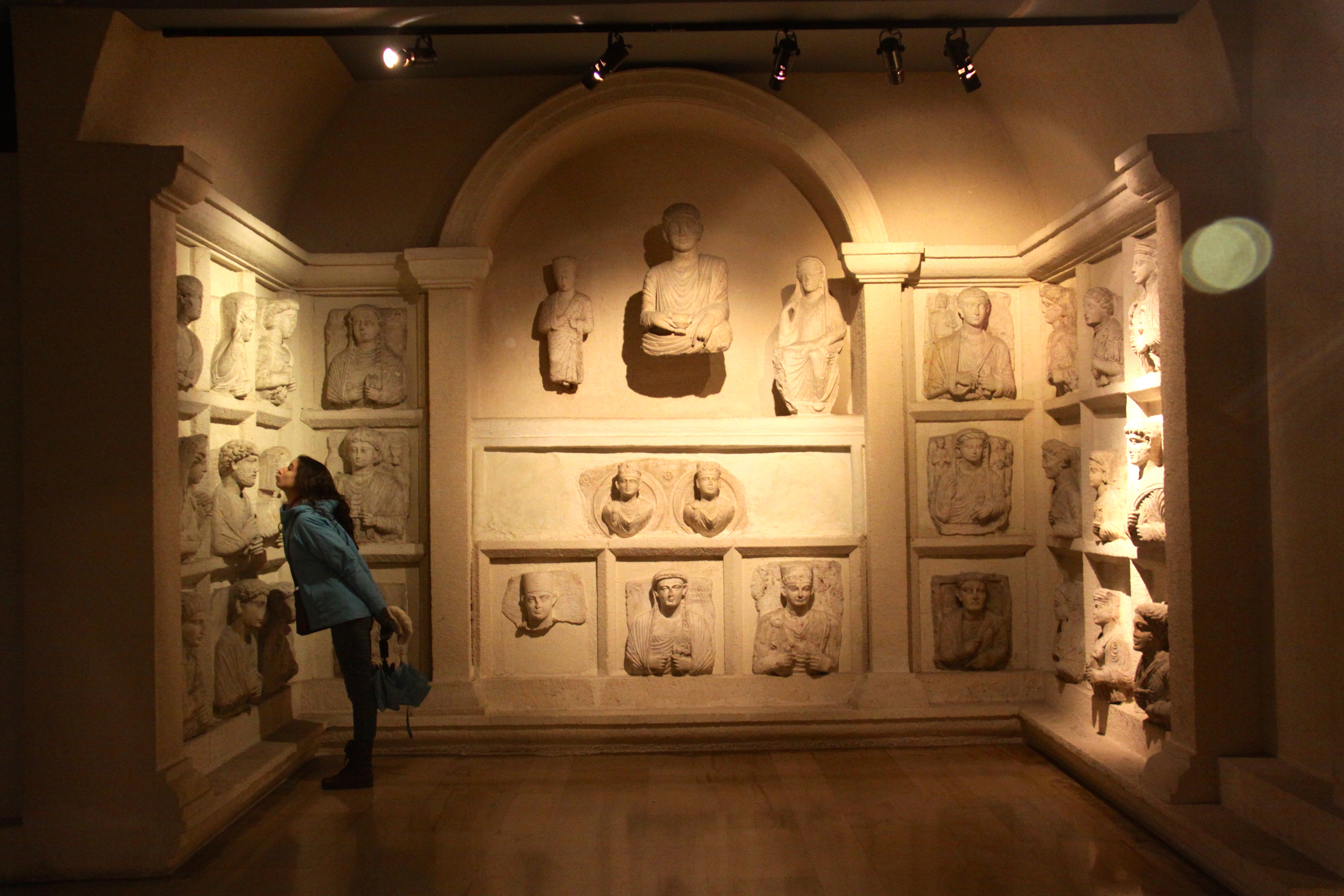
We love history!

Up close and personal with ancient history.

We walked over to the museum next door where we saw…more tiles! In fact, this small museum is called the “Tiled Pavilion.”
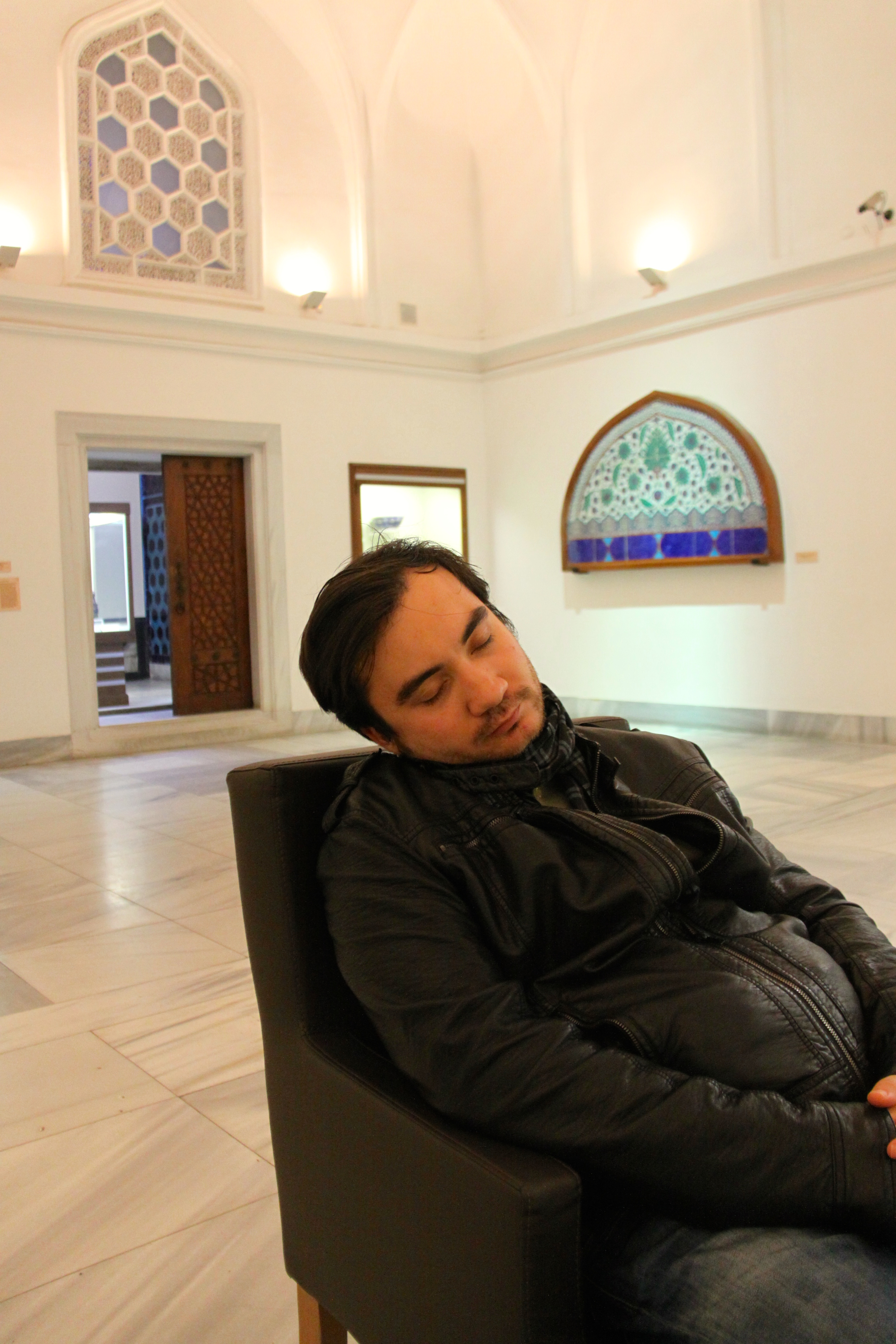
Excited to see tiles!

Or “the Tired Pavilion”

Finally, after a detour in the sculpture garden, which is where the disenfranchised statues are left to suffer the elements, we went to the last museum: the “Ancient Orient.” Upon my approaching the entrance, I was greeted by a guard clearly communicating that my entry was unwelcome. Apparently, they chase everyone out 20 minutes before the museum actually closes. I convinced her to let us in for “one minute,” and after we cruised through Babylon, the lights went off. But I could not leave without seeing at least one famous item, the Treaty of Kadesh, the world’s oldest known peace treaty. The guards relented and flicked on the lights for us to get a brief look at the tiny cuneiform tablet.

And that concluded our day of odd museums.

With only a few hours left in Istanbul, we headed to the Arasta Bazaar, where Jasmine purchased a beautiful inlaid box and Sergey and I drank the shopkeeper’s apple tea. Then we happened upon an outdoor restaurant where a trio was performing—and, most excitingly, a whirling dervish was whirling!
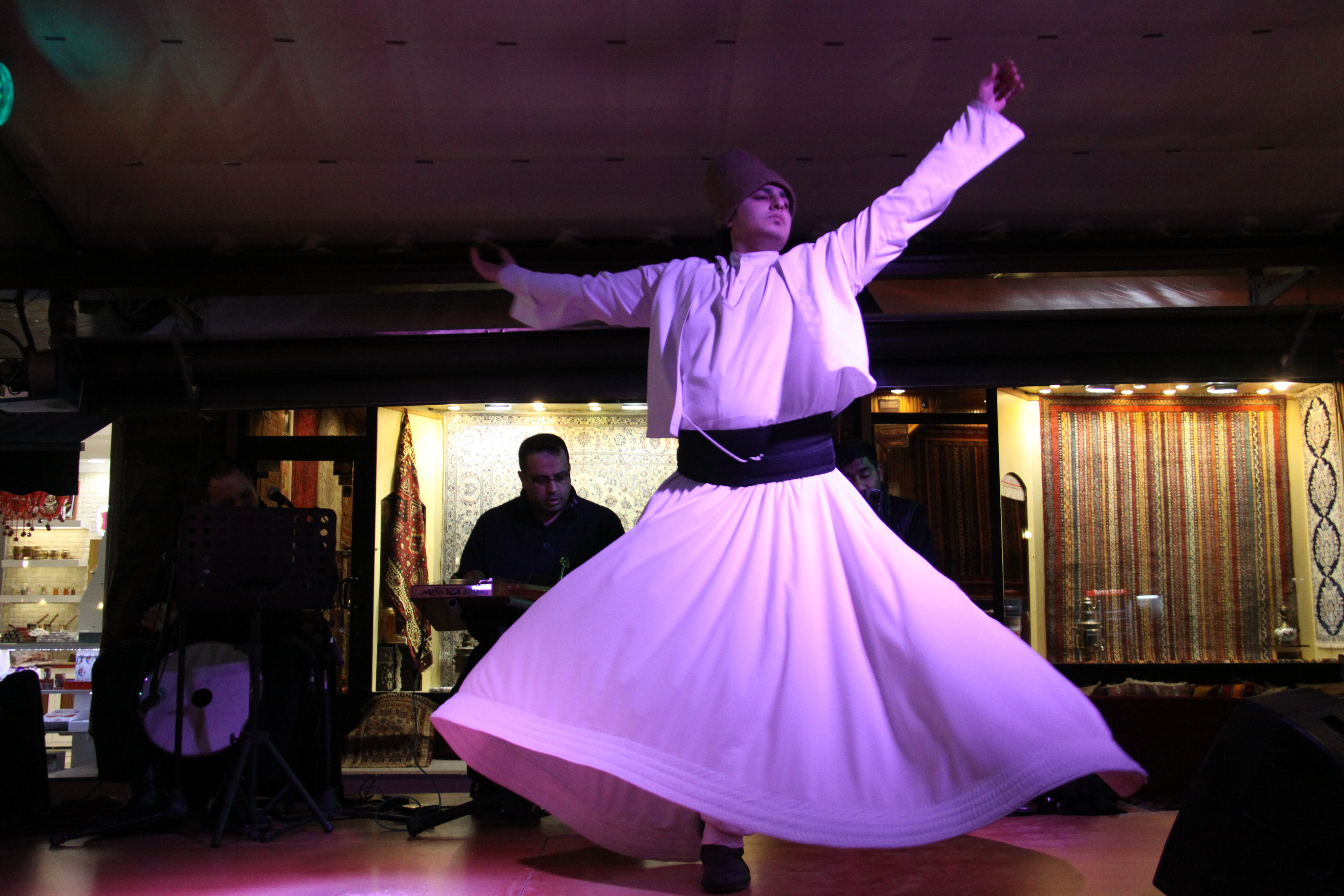
Dervish

Whirling dervish, Sufi dancer, your skirts are a sheltering canopy, your eyes, divine ecstasy.

Entranced, we watched from the sidewalk, and then decided it was worth eating a freezing al fresco dinner to see him whirl. While I’m always skeptical of the authenticity of “cultural” activities in a tourist district, he seemed to be legitimately meditating as he spun, eyes nearly closed, apparently unconscious of his audience, including the paparazzi in the front row seats (us).

Finally, it was time to say “good night” to Istanbul. Our journey had reached its end.
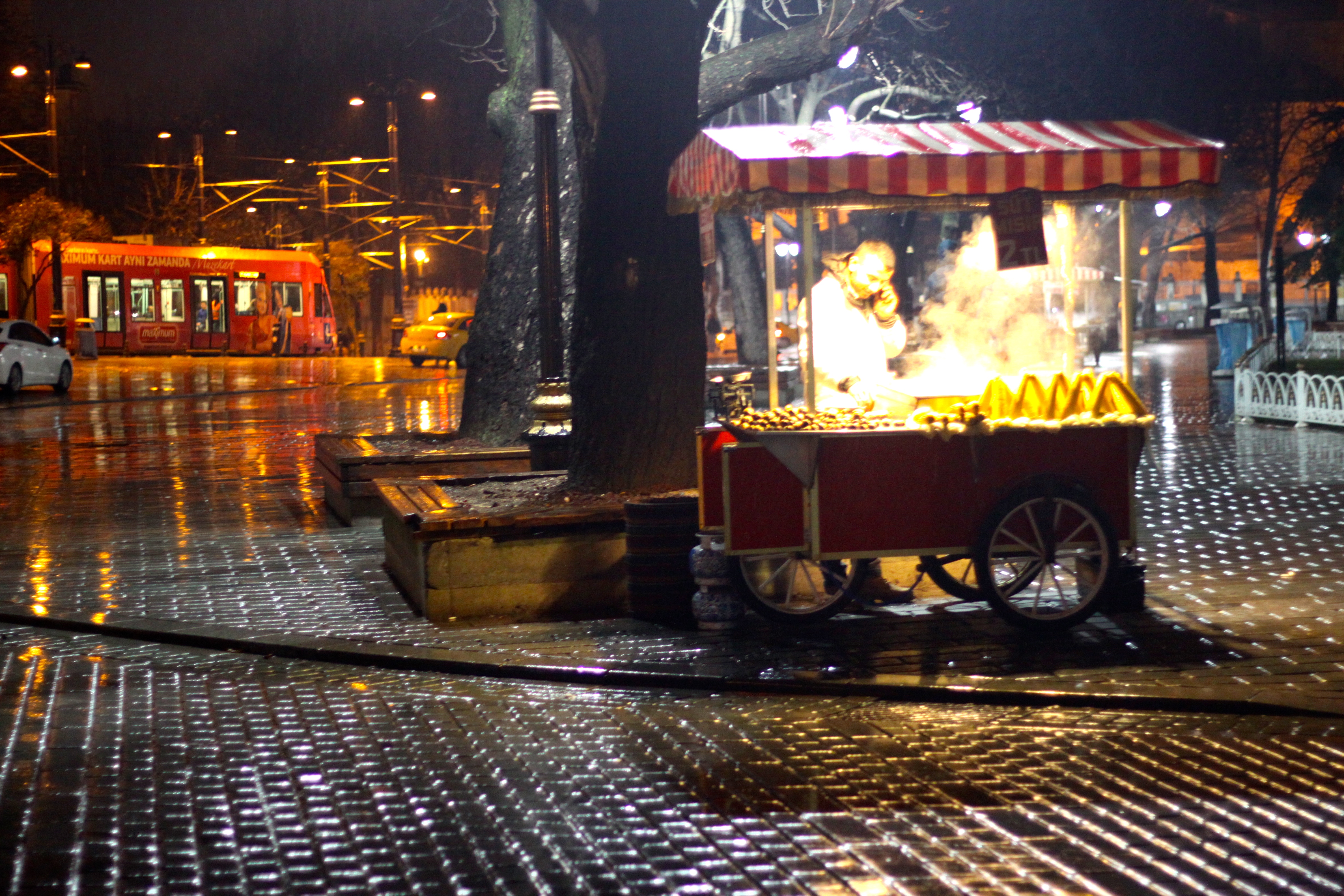
Near Divan Yolu

City of 10 million people

burqa-clad women, bohemian men,

fish sandwiches scenting thousands of fingers.

East meets West

almost

separated by the strait of the Bosphorus

marble tongue of Marmara licking the cold cup of the Black Sea

and Black Sea pouring its dark contents into Marmara’s mouth.
Day 5: Pilgrims Again

In Istanbul, we had made the first leg of our “mini-pilgrimage,” backtracking in Bahá’í history from the pilgrimage in the Holy Land described in a previous post. After the Holy Family was banished from their homeland of Iran to Baghdad, they were once again banished first to Constantinople then Adrianople before final exile to Akka. While Bahá’u’lláh’s original residence in Istanbul (Constantinople) no longer exists, a house was rebuilt on the spot, located in a strange quarter where women clad in black chadors walk past endless shops selling poofy wedding dresses. We were welcomed by the custodian and visited the upstairs quarters, where some artifacts are displayed. While visiting this house, we met a group of Bahá’ís from Beijing who were stopping briefly in Turkey to visit this house and Edirne before going to Israel. They described their working lives: 12 hours per day for 6 days a week year-round. They were using their scant vacation days to make this journey. The next day, we hopped on a bus that took us on the three-hour trip from Istanbul north to Edirne (Adrianople). I passed the time by working on reading Five Quarters of an Orange, a novel set in the French countryside, which in my mind blended with the damp flatlands we were driving through.

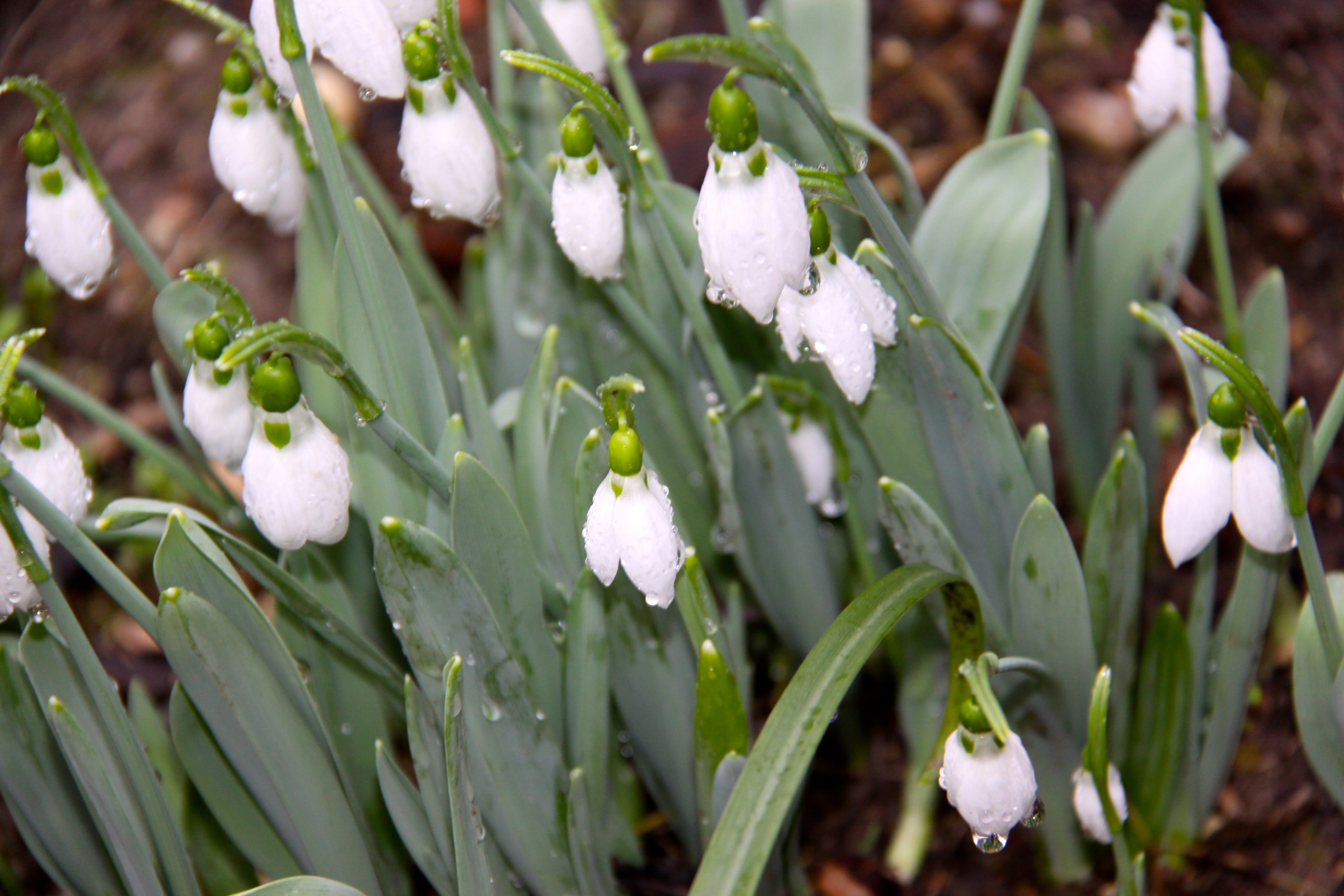
Snowdrops and raindrops in Edirne.

Snowdrops and raindrops in Edirne.

Edirne, Land of Mysteries, was cold and rainy. We beelined to the visitors’ center for the Holy Places, where once again we were met by the custodian and a guide who took us to the House of Bahá’u’lláh across the street, one of three places the Holy Family lived in this city. This was where Bahá’u’lláh’s family moved after He was poisoned at the hands of His jealous half-brother.

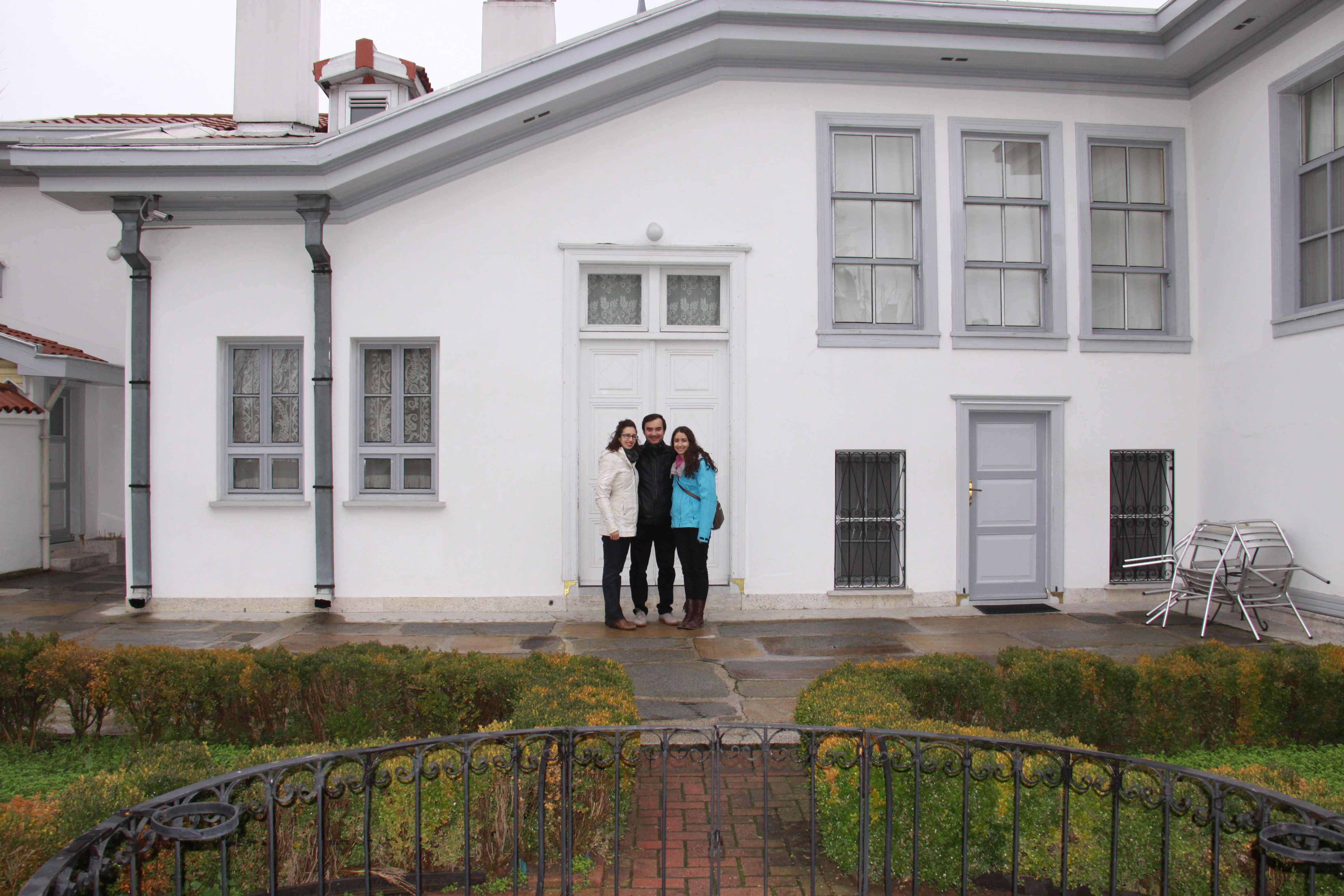
The backyard and rear wall of the House of Bahá'u'lláh.

We are standing in the backyard of the House of Bahá’u’lláh.

After our visit, our guide walked us to the nearby ruins of another house, reduced to foundation stones in a grassy meadow. The elderly custodian gave us some aromatic leaves as a keepsake—and I found my own keepsake, a snail shell.

The remains of another House of Bahá'u'lláh in Edirne.

The remains of another House of Bahá’u’lláh in Edirne.

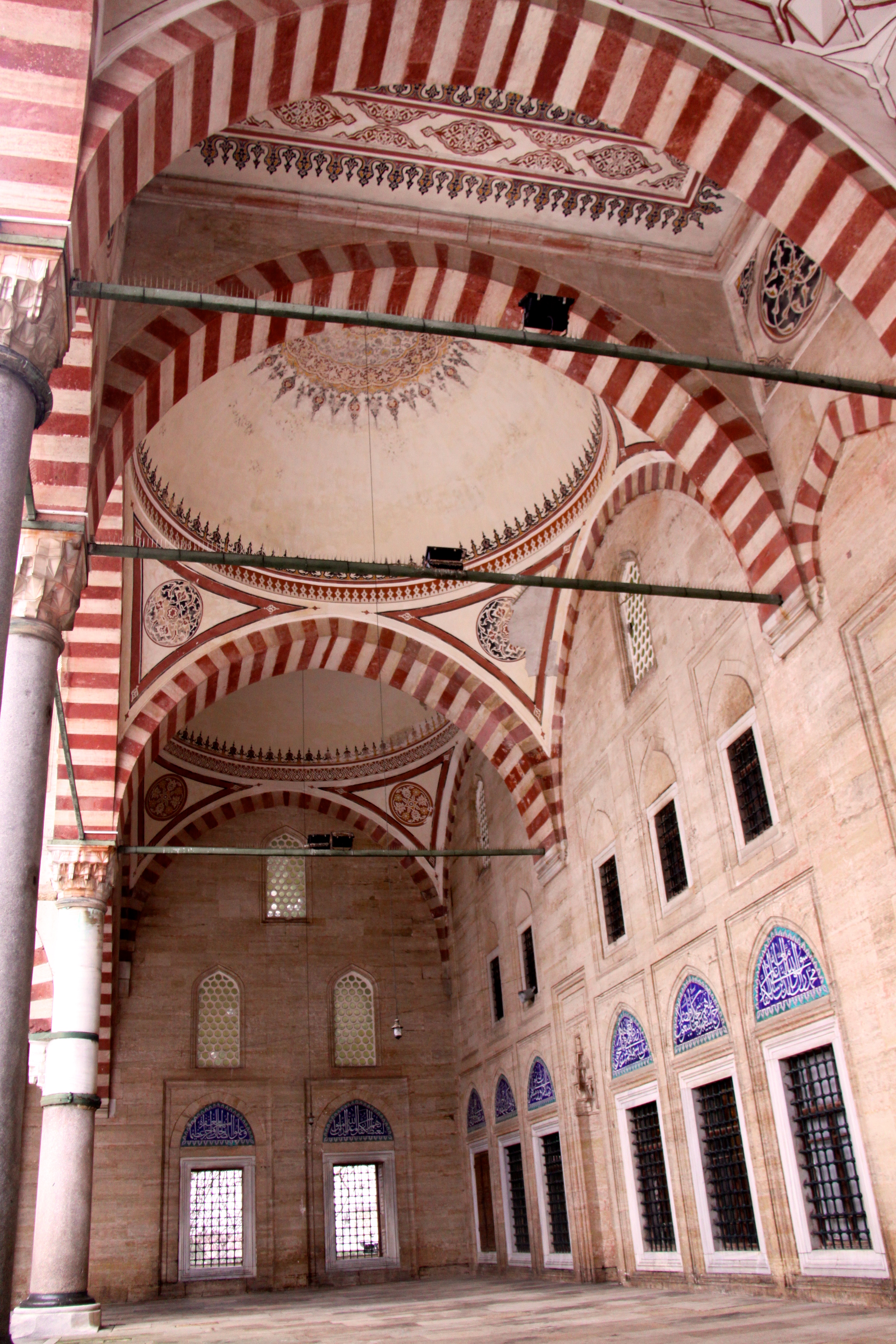
With our remaining time, we visited the famed Selimiye Mosque, designed by the architect Sinan, who also designed the Suleimaniye Mosque that we had visited the day before. First, we surveyed the small, attached bazaar, which was built to support the mosque financially. Then we walked up some steps to the mosque, which won our Prettiest Mosque Award with its airy, bright interior and elegant decorations.

Part of the gorgeous courtyard of the Selimiye Mosque.

Soon enough, we had to leave the Land of Mysteries and catch our bus back to Istanbul. Our last day was nigh upon us.

Day 4: Mosques galore

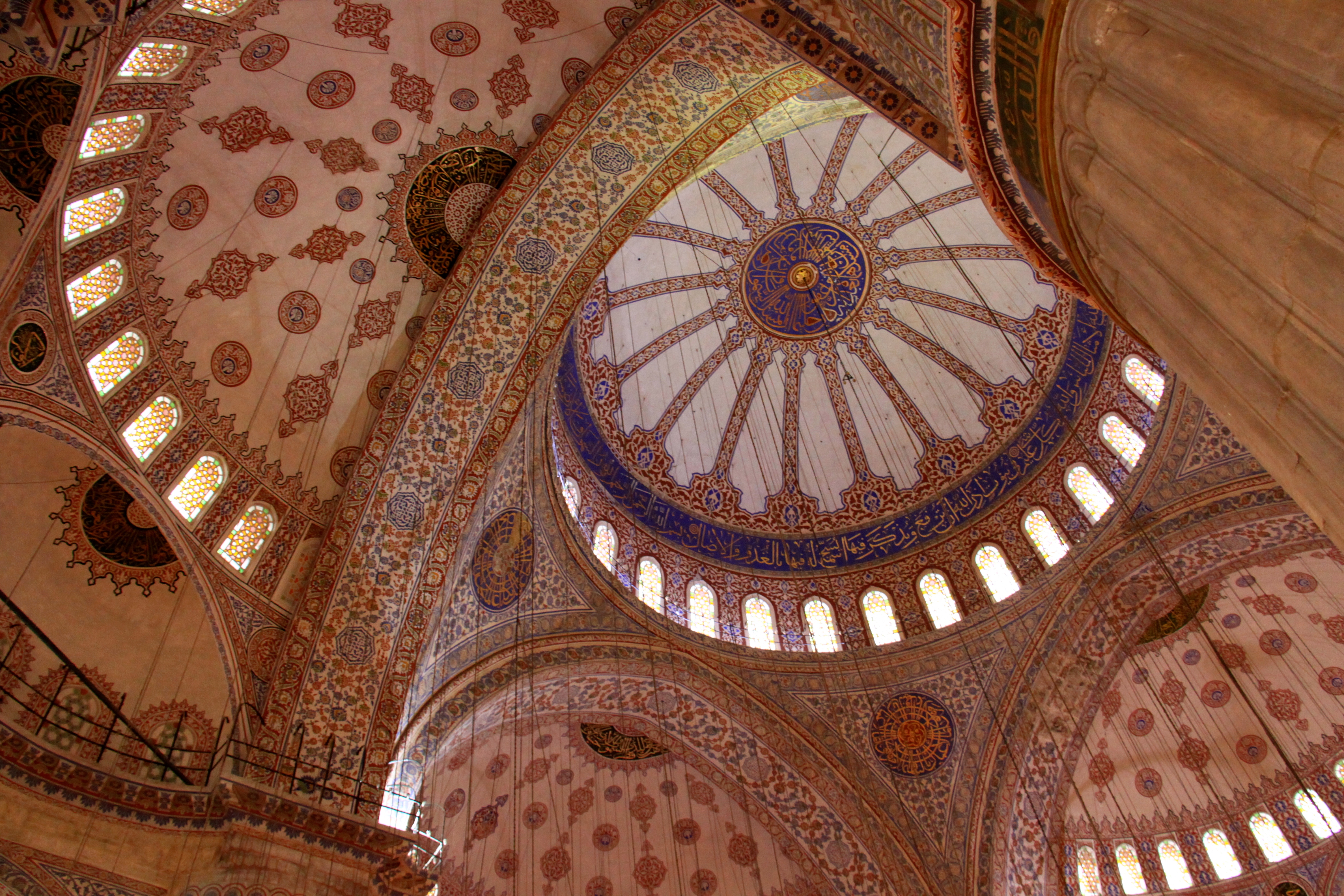
Interior of the Blue Mosque

Dome of the Blue Mosque, which earns its moniker from the blue tones of its interior decor.

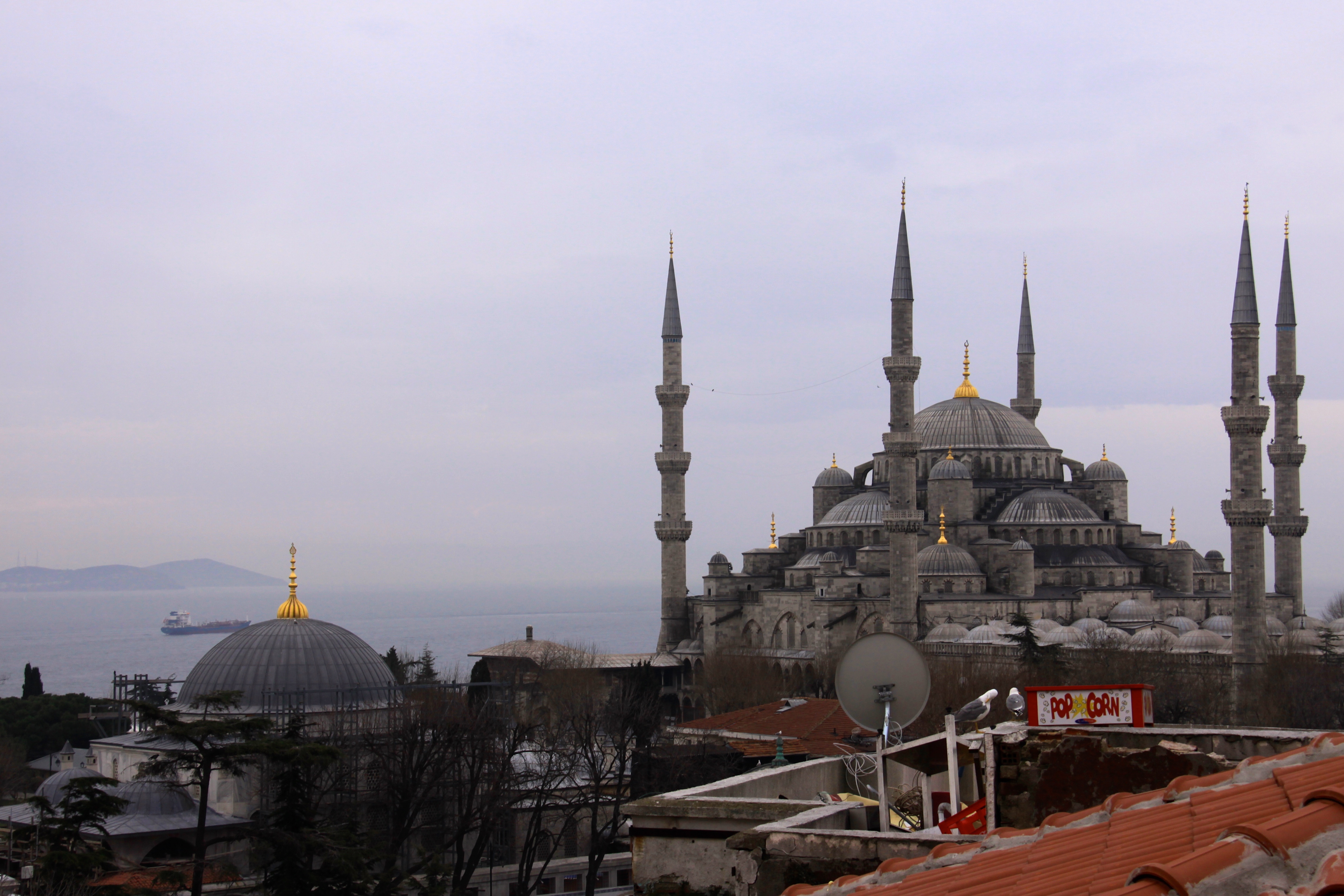
While mosques only require a single minaret from which the muezzin can voice the call to prayer, to show off his wealth and power, the sponsoring sultan of the Blue Mosque—Sultan Ahmet, who gave his name to both the mosque and the district—built six.

We visited Istanbul in “low season” for tourism, the time when the government implements its renovations and restorations of the various historical sights before the influx of visitors begins again with the return of warm weather. Indeed, nearly everywhere we went, we found huge tarps wrapped around walls and covering entire buildings, printed with explanations of the history of the place underneath and the plans for its restoration. The Spice Market from afar looked like an enormous tent, thanks to its veiling tarp. Hagia Sofia featured massive scaffolding inside, and the Blue Mosque featured a mere 5.5 minarets. The remaining 0.5 was undergoing reconstruction.

One minaret, two minaret...scaffolded sixth minaret is outside the frame.

Minaret #6 is currently in hiding.

The Blue Mosque might be the most renowned, but I have to be a mosque snob and say that of the three we entered, it was actually the least impressive. That should give you an idea of just how many gorgeous mosques populate Turkey, thanks to the sultans’ combined religiosity and profligacy!

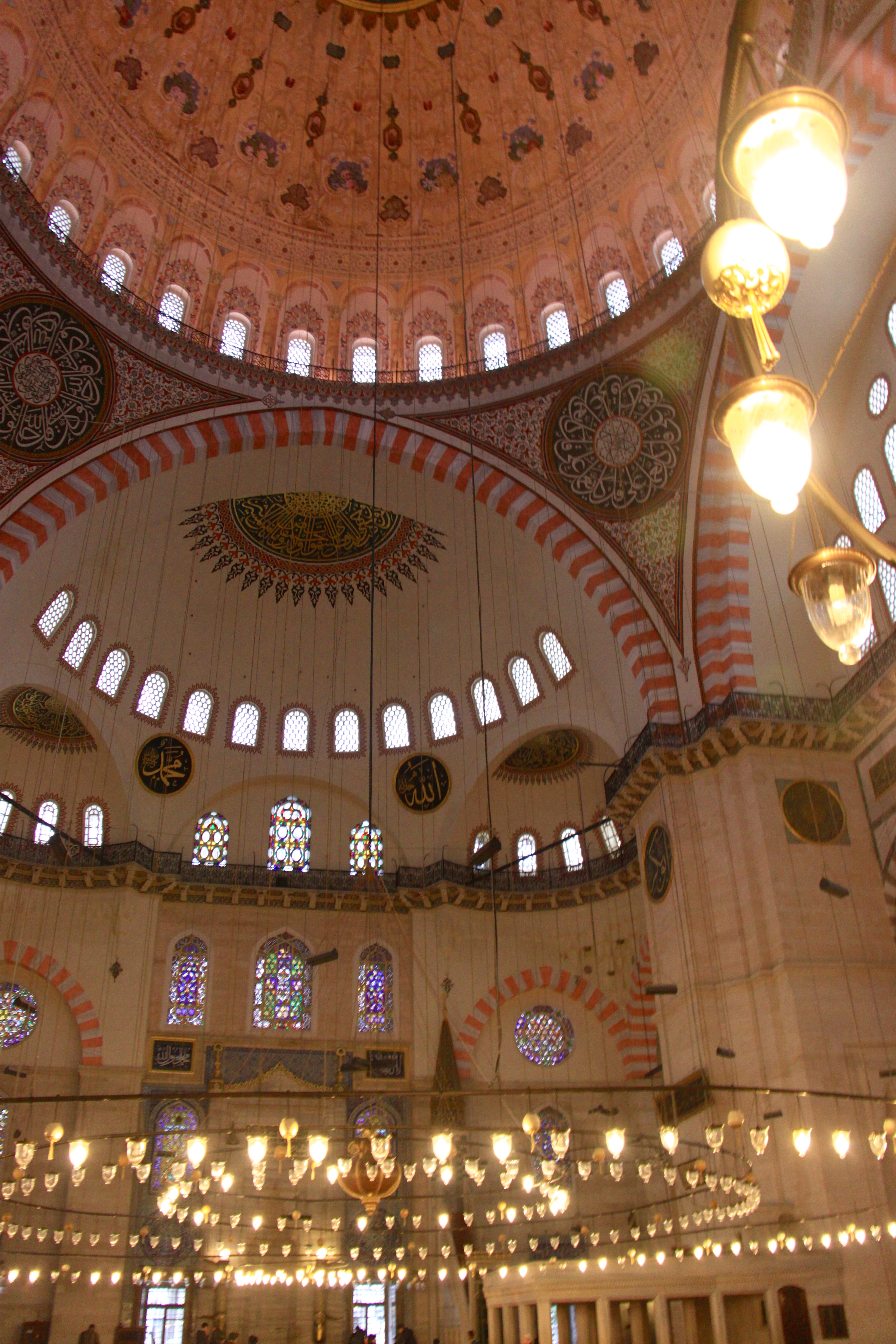
Inside the Mosque of Suleyman the Magnificent.

Inside the Mosque of Suleyman the Magnificent. Note the giant chandeliers.

Our next mosque was the truly magnificent Mosque of Suleyman the Magnificent. The architect Mimar Sinan made massive and heavy structures appear buoyant and graceful. Like the heavenly ambience created by the stained glass windows and elaborate décor of Gothic cathedrals in Europe, it was clear that the beauty of these mosques was designed to lift the spirits of worshippers to paradisiacal heights.

Mosques were usually surrounded by other establishments like bazaars and kitchens. We had lunch in a restaurant housed in the mosque’s former soup kitchen. When we walked from the stone-paved courtyard into a lofty chamber filled with untenanted tables draped in crisp white linen, we saw that we were the only customers. While I appreciate the quietness of an empty restaurant, at a fancier establishment like this, I prefer having at least a few other customers to distract the flock of attentive waiters from my plebeian etiquette.

“They’re giving us water for free!” I whispered to Sergey and Jasmine after the waiters had filled our glasses before we ordered. “Drink a lot!”

Our experience at this restaurant demonstrated the heights of excellence that a meatball can attain. In Turkey, “koftecisi” or meatballs are oblong patties of ground meat mixed with spices and herbs, then grilled.

We ordered meatball soup followed by meatball dishes. The meatball soup was a creamy blend of lentils, vegetables, and bits of meatball—just what we needed to warm us up after being buffeted by the damp wind. Then came our main course: Sergey got tender cutlets, and Jasmine and I shared…kebab sushi. The filling was made with meat and finely chopped pistachio, which had apparently been formed into a roll, then wrapped with a pastry. This roll is then sliced and the slices are grilled. The end result was delectable!

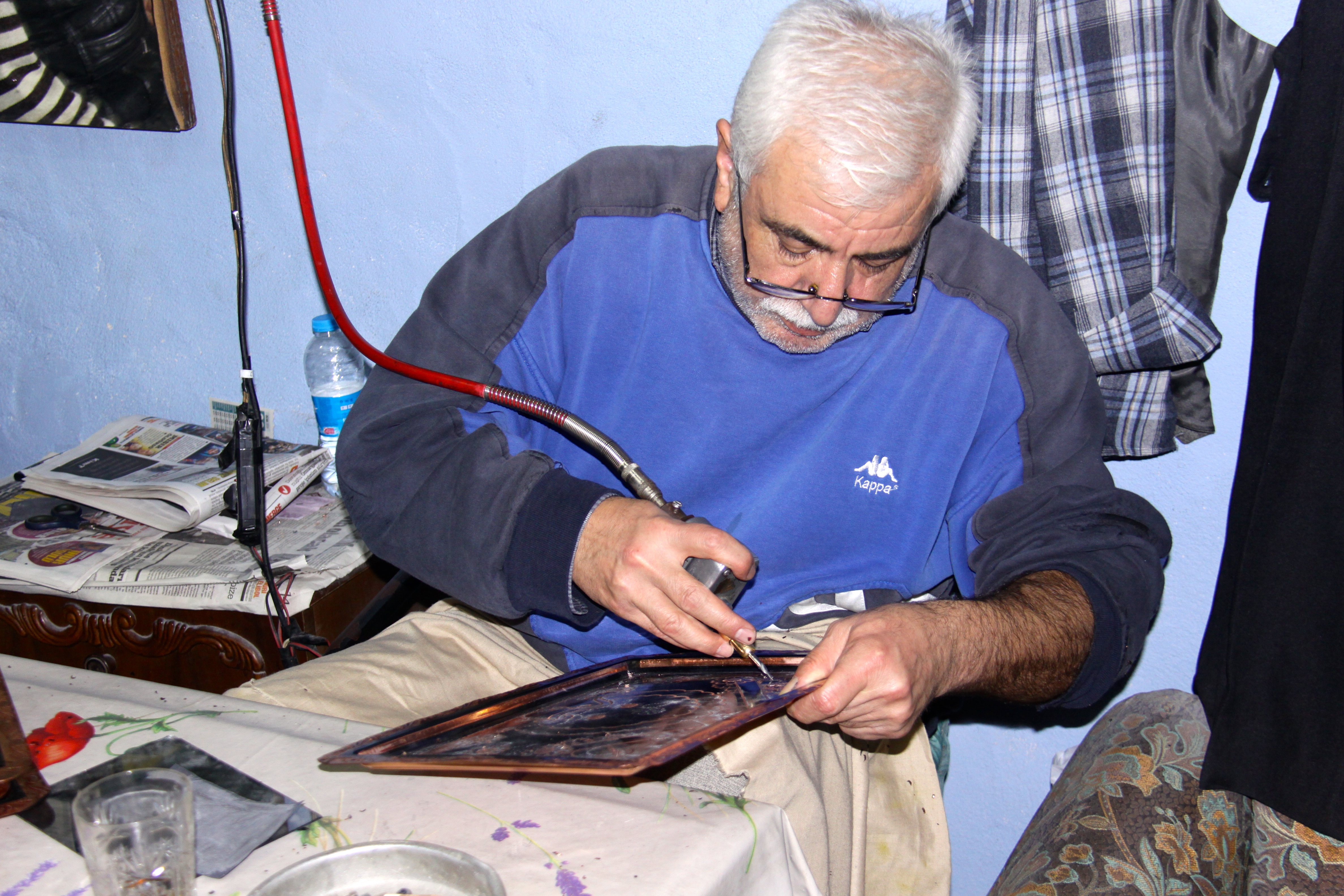
Alas, our little glasses of apple tea were soon finished and the meatballs gone; we had to exit our culinary cocoon. Yet, the restaurant was not the only gem around the mosque. We found some artisans making their goods–engraved platters and other metal trinkets. Their workshop also functioned as their shop, and after watching them demonstrate their craft, we bought several dishes engraved with gleaming floral patterns.

Artisan drilling through layers of colored metal to make an etched platter,

Artisan drilling through layers of colored metal to make an etched platter.

Day 1: Hagia Sofia, Hippodrome, Cistern, and Grand Bazaar

Check out that apse!

Check out that apse!


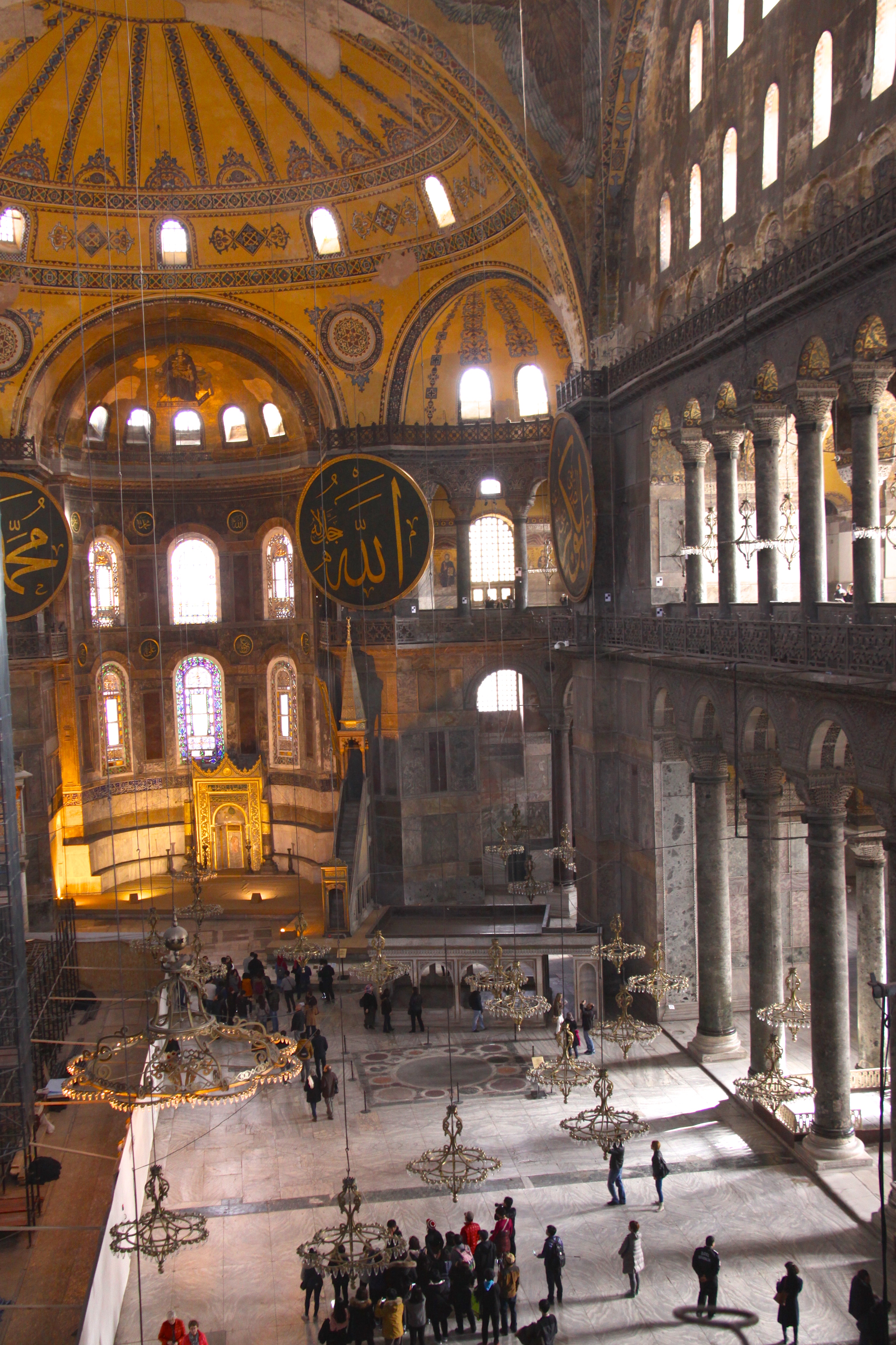
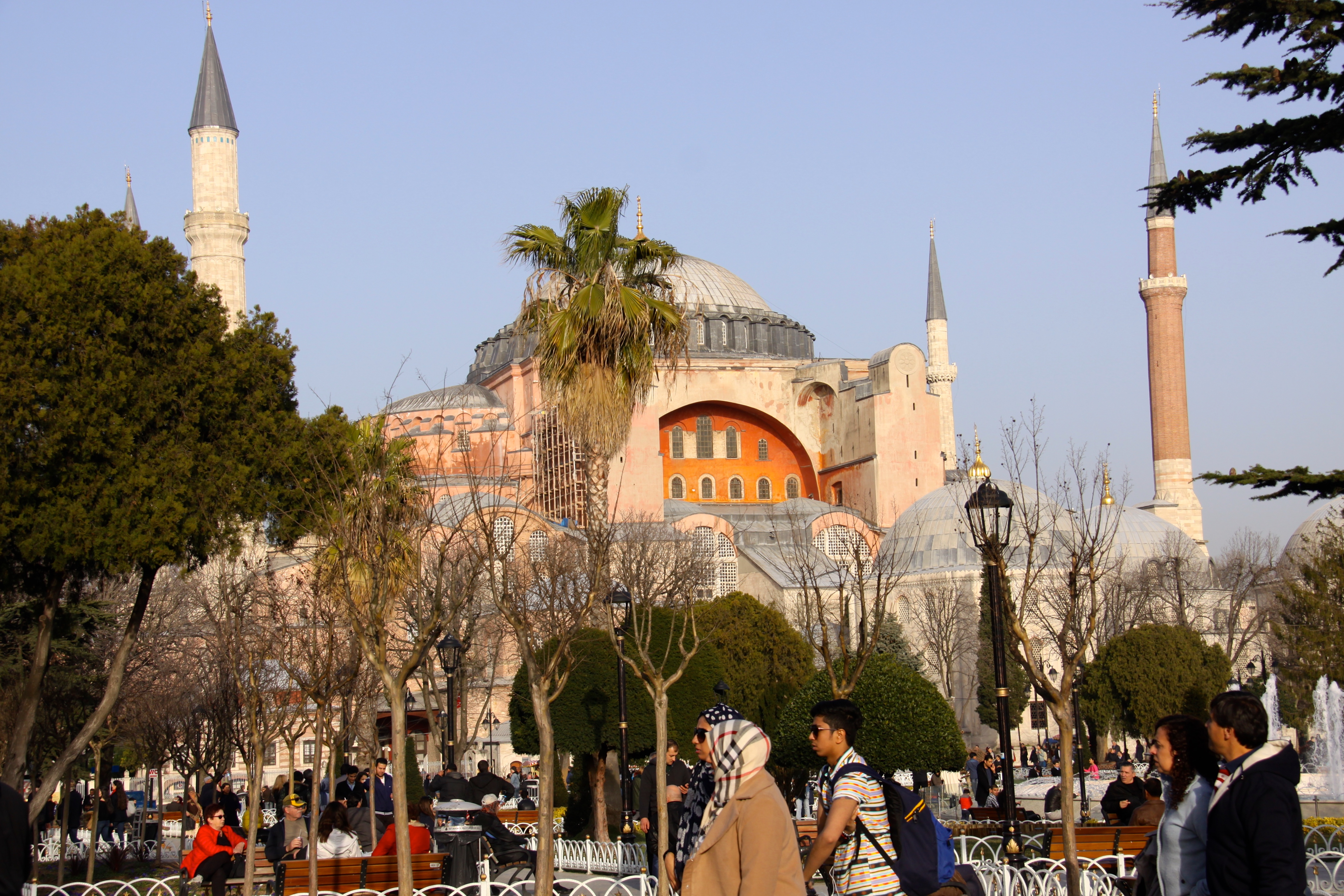
The Hagia Sofia (pronounced “Eye-Ah Sofia”) exemplifies how excellent architecture and sturdy materials can last scores of generations beyond their builders—it has stood tall and proud for nearly 1,500 years. One sign of its age are its enormous front doors through which the emperor would have entered: today, they are frozen in open paralysis, their bottoms locked in place beneath ground level by the buildup of renovations. After the Byzantines fell to the Ottomans in 1453, Hagia Sofia switched over from basilica to mosque, and today it features a pastiche of Christian mosaics and seraphim and huge Islamic calligraphy medallions. All three are visible in the photo above. For many centuries, the Christian art was covered under whitewash due to the Islamic prohibition of figurative depictions in mosques. In some cases, the whitewash actually preserved the artwork underneath.

Exterior view

Exterior view

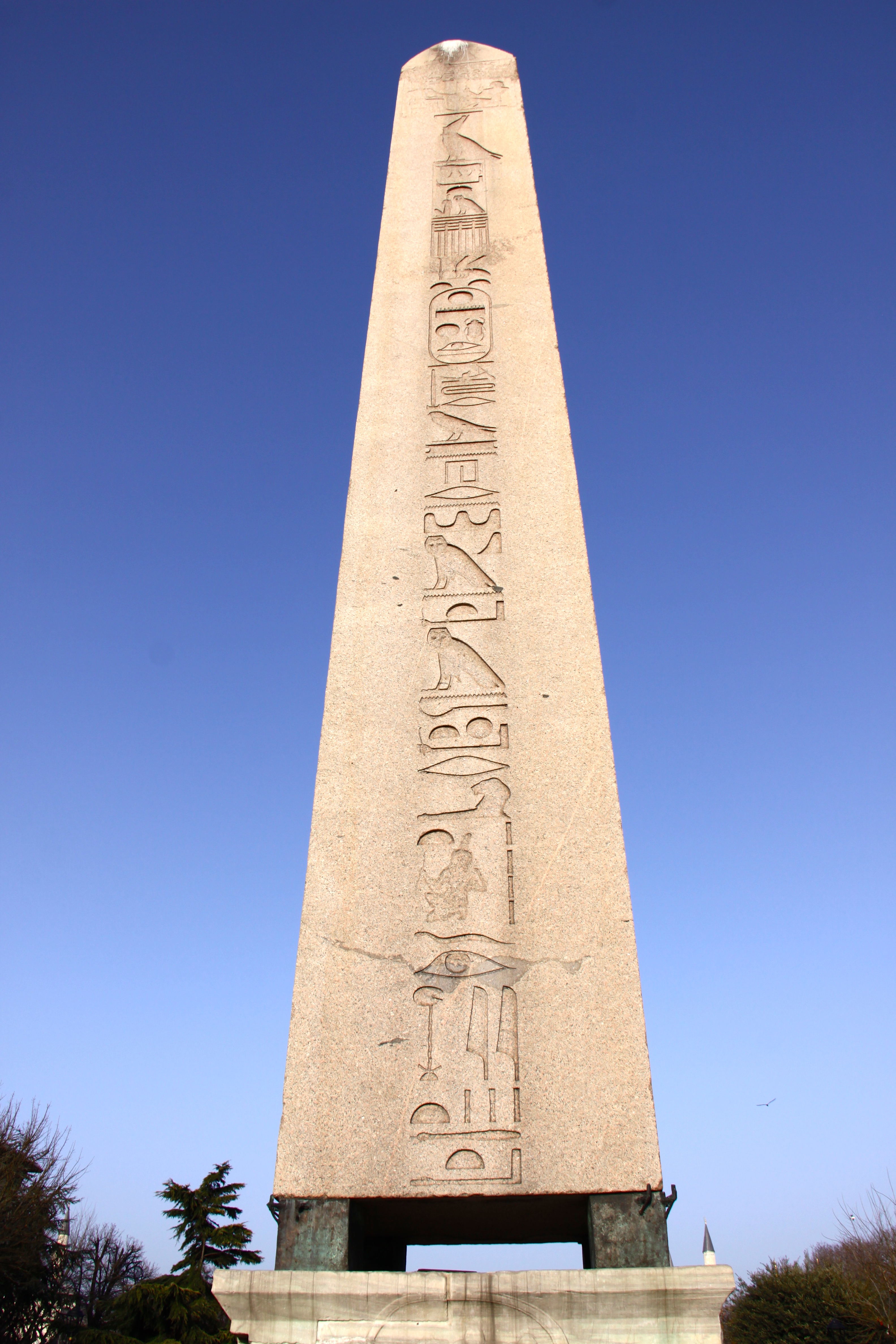
In the Hippodrome, the former stadium where Roman chariots raced and plebeians occasionally rioted, we once again saw the layers of history that characterize the Sultanahmet district. Several obelisks of various origins, including one taken from Egypt eons ago covered with beautifully clear hieroglyphics, were partially sunken into the ground a number of feet. After its glory days, the Hippodrome was demoted to a quarry/dumpsite. The accumulation of dirt raised its level many feet.

A brief side trip to Egypt. Now, who speaks hieroglyph?

A brief side trip to Egypt. Now, who speaks hieroglyph?

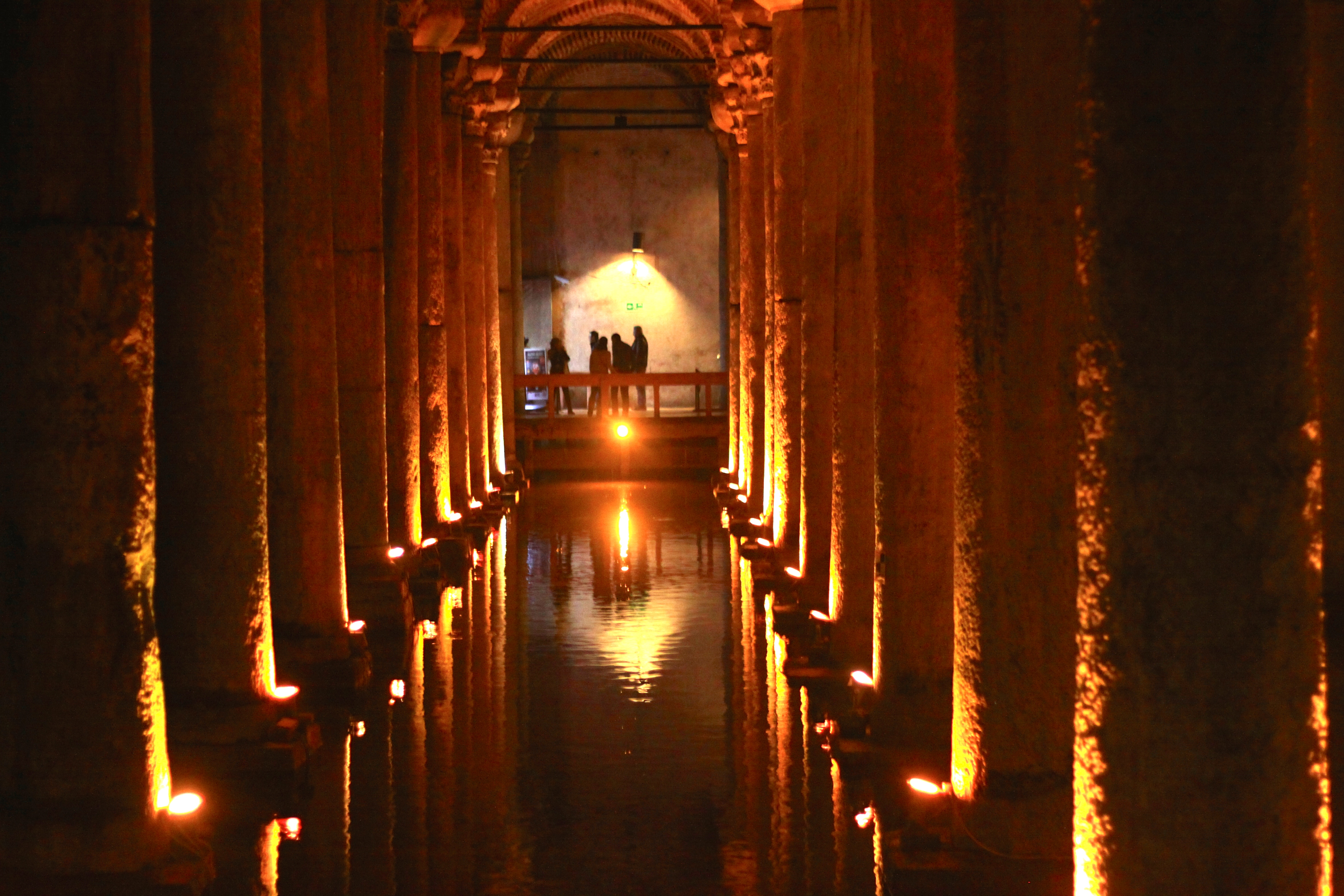
Speaking of glory days, I found the story of the so-called Basilica Cistern rather amusing. The great Byzantine emperor Justinian, who sponsored the construction of Hagia Sofia, also built a huge cistern under the city, supported by hundreds of columns. In later years, the Ottomans somehow forgot that this giant reservoir was there, and concluded that they were simply specially blessed because their wells were mysteriously always full. Today, the cistern is a drippy tourist trap. Just imagine a gigantic flooded basement and you’ll get the general picture!

Basilica Cistern

Or you can look at the specific picture.

Next we headed over to the Grand Bazaar. I felt a peculiar draw toward the place, because it’s half-dream, half-nightmare. Sometimes I’ll awake from wonderful dreams where I’m shopping in a splendid chocolate shop or picking out beautiful clothes from a heavenly Macy’s. Yet, in real life, malls cause me anxiety, and shopping tends to be a chore. In the Grand Bazaar, the tantalizing possibility of finding something rare and exotic meets the stressful reality of pushy merchants and thronging crowds. We found it nearly impossible to navigate so we definitely left some routes unexplored, but we did find a coffeeshop where we tried Turkish coffee (i.e. hot coffee sludge) and also salep, which we received more favorably. This hearty drink combines flour made from starchy orchid tubers with sugar and milk or water and comes dusted with cinnamon. As a winter beverage, it’s a good alternative to hot chocolate for warding off the cold.

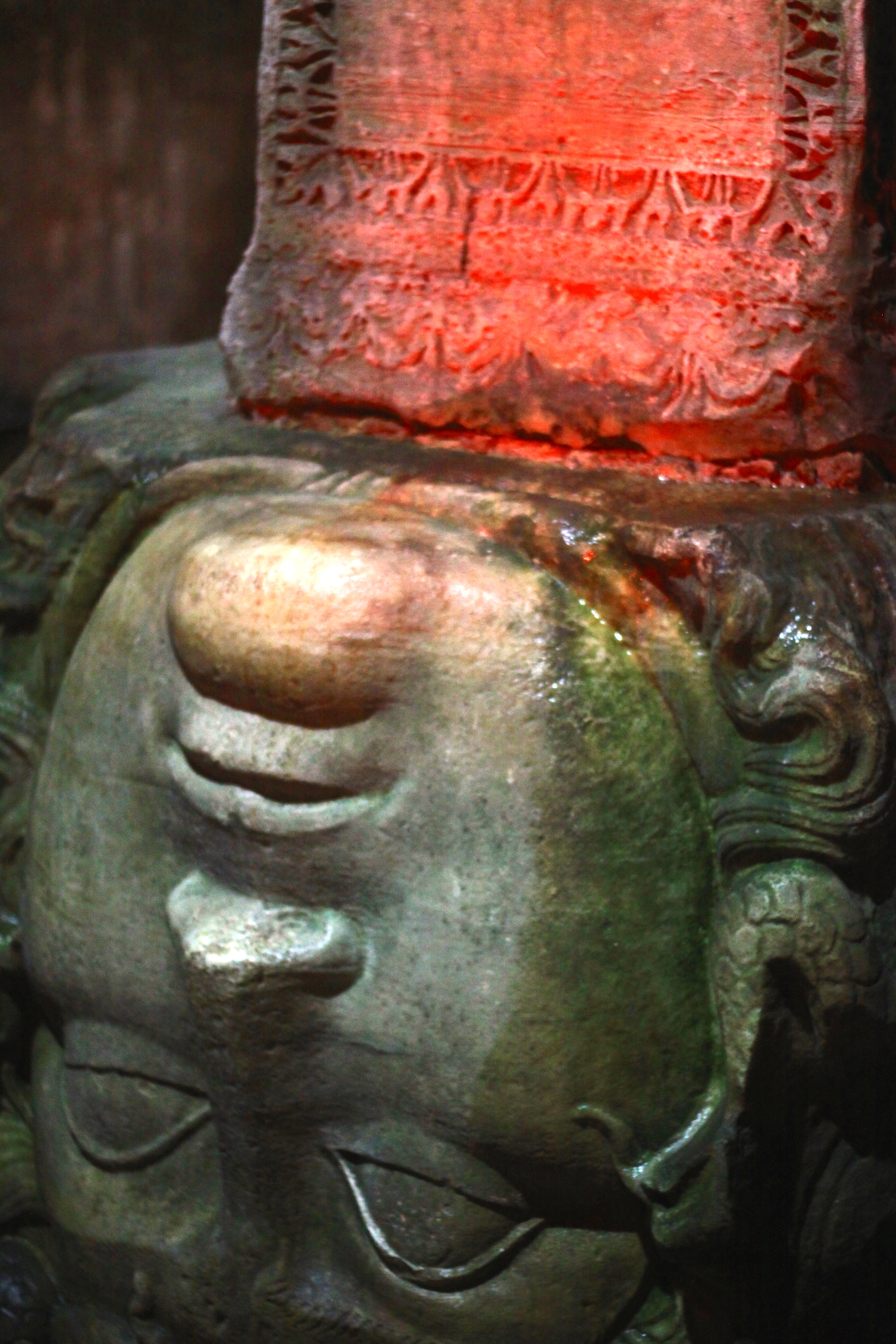
I don't have a photo of Turkish coffee, but I think Medusa is a decent substitute.

I don’t have a photo of Turkish coffee–but here’s Medusa! She looks like she could use some salep…

Well, I’ll see you in day 2!

Animal Farm

One weekend, Sergey and I were invited to accompany some colleagues to a place called Hamat Gader. This destination boasts stinky hot springs that fill a giant bathing pool. Now, marinating myself along with flocks of sweaty strangers is not my usual cup of tea, but we figured this was a good chance to see some of the Galilee region.

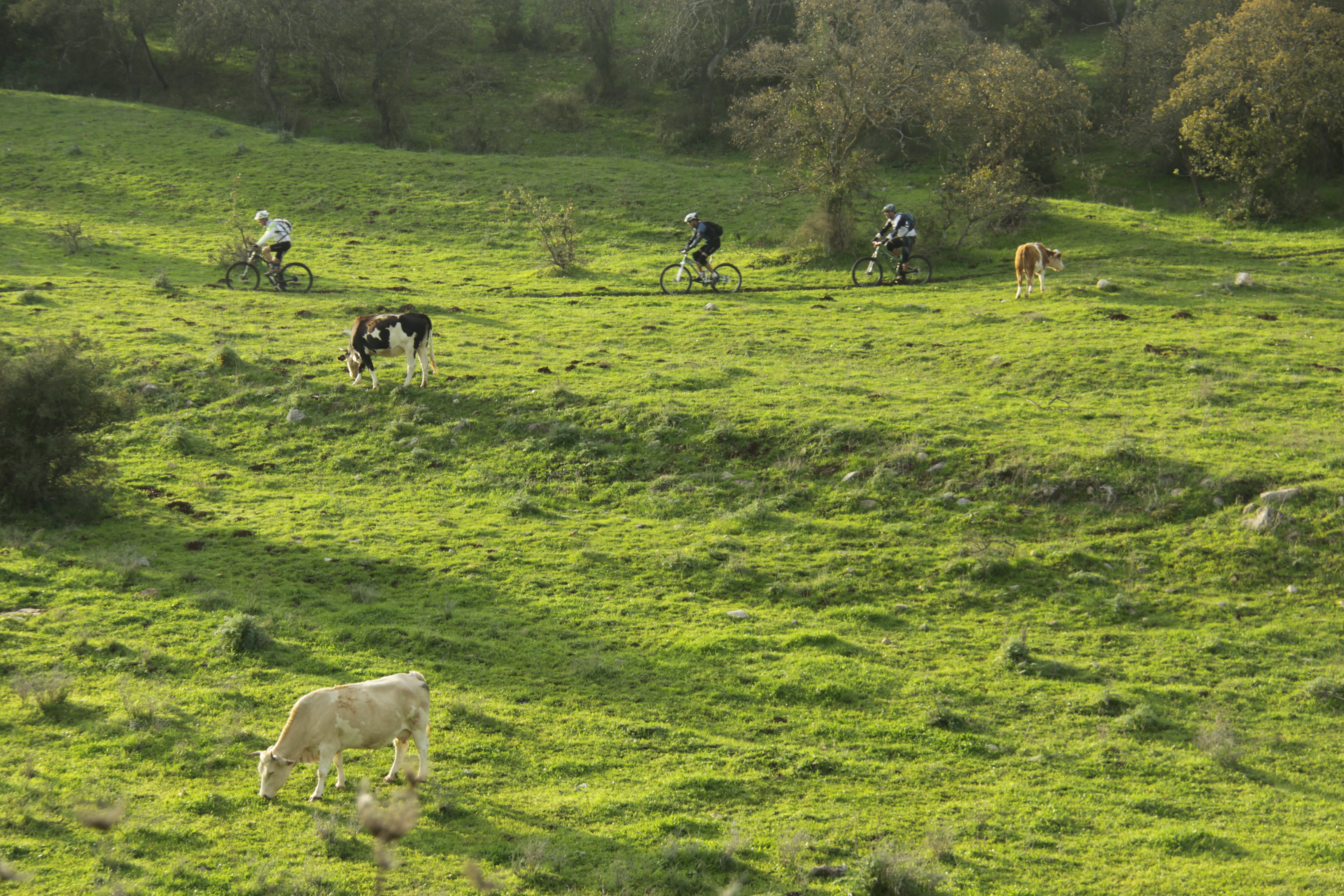
We were right. The winter rains had turned the hills and valleys of Galilee a vibrant green, shining like an emerald in the morning light. En route to our destination, we stopped at the most scenic gas station I’ve encountered. The station overlooked a field where cows grazed peacefully beside white cattle egrets. Occasionally this pastoral scene was interrupted by groups of bikers who zoomed down a path through the field, startling the cattle.

Cows and bikers

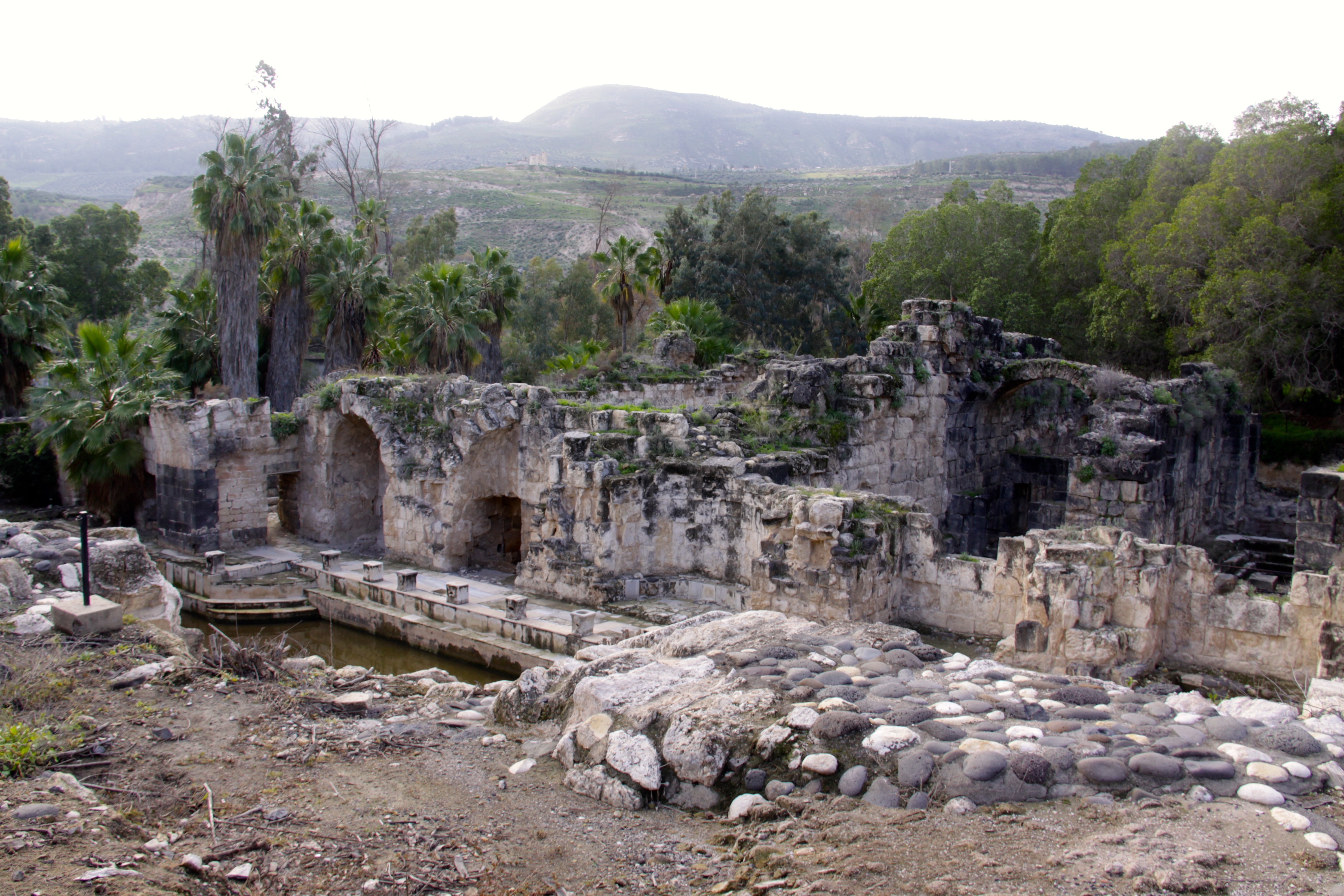
Back on the road, after driving along the border with Jordan, we arrived at Hamat Gader. Sergey and I set off to explore the flora and fauna of the park. We found the predecessor of today’s pool, the ruin of a Roman bath.

Roman bath

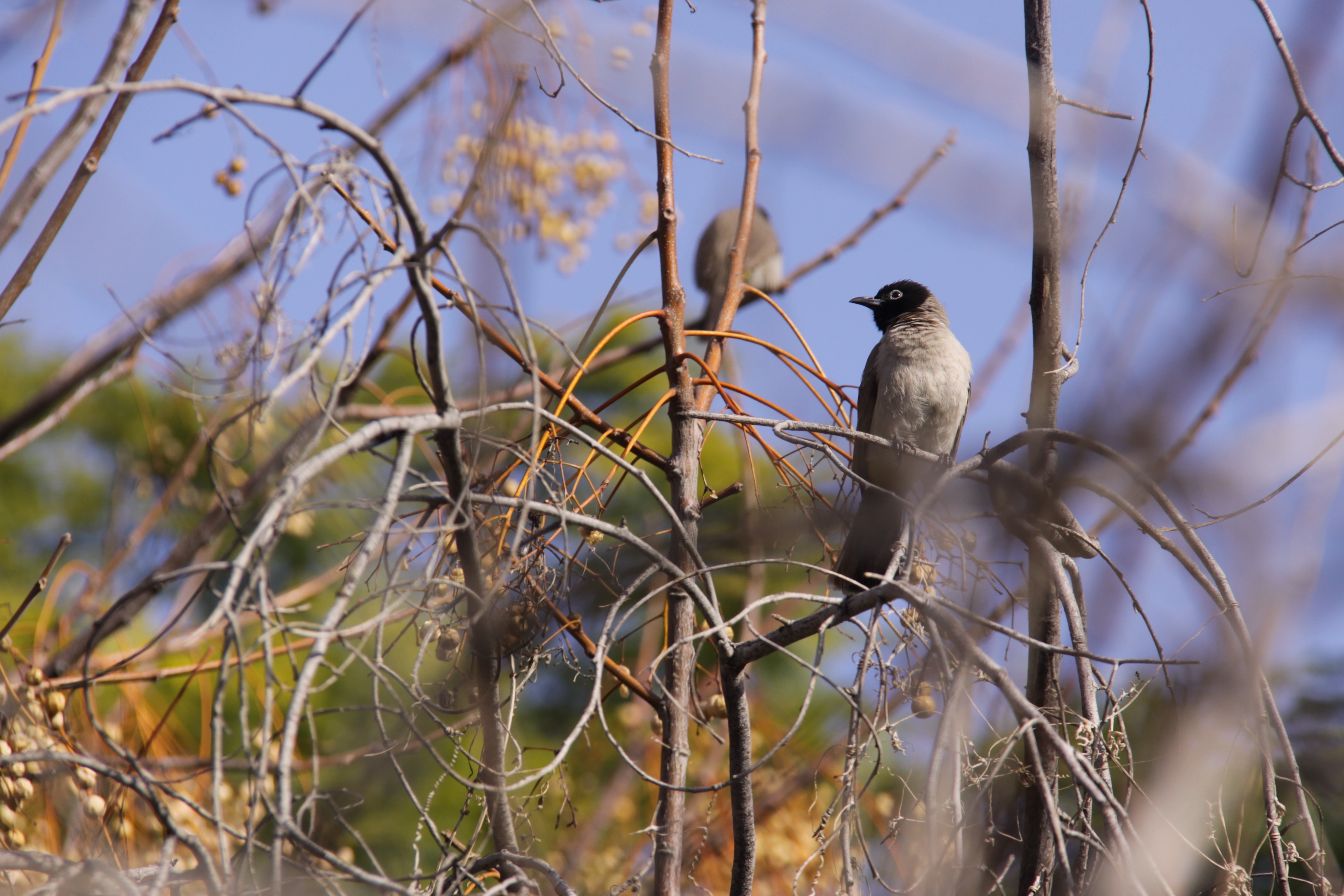
After documenting the ancient bath, I was distracted by a flock of birds: white-spectacled bulbuls twittering upon some trees near the ruin. Beyond them, I could just make out the shape of a mysterious green parrot, gazing impassively into the surrounding hills.

Bulbul

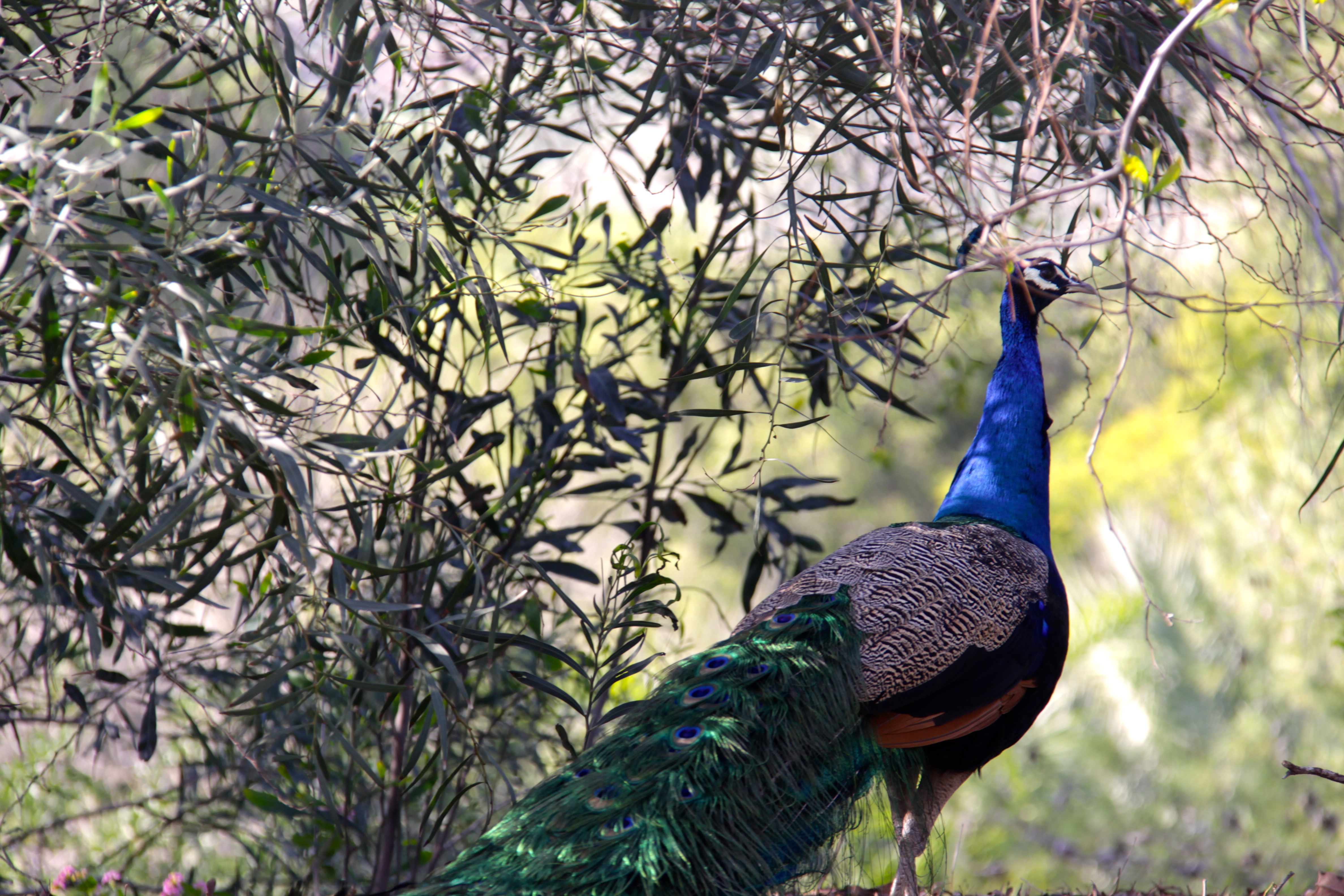
Then came the unmelodic squawk of an itinerant peacock. We gave chase. Above the ruins of a Roman amphitheater, we stalked him in pursuit of the perfect photo. He was not particularly interested, and gave us a final look of disdain before disappearing over the crest of the hill.

Peacock

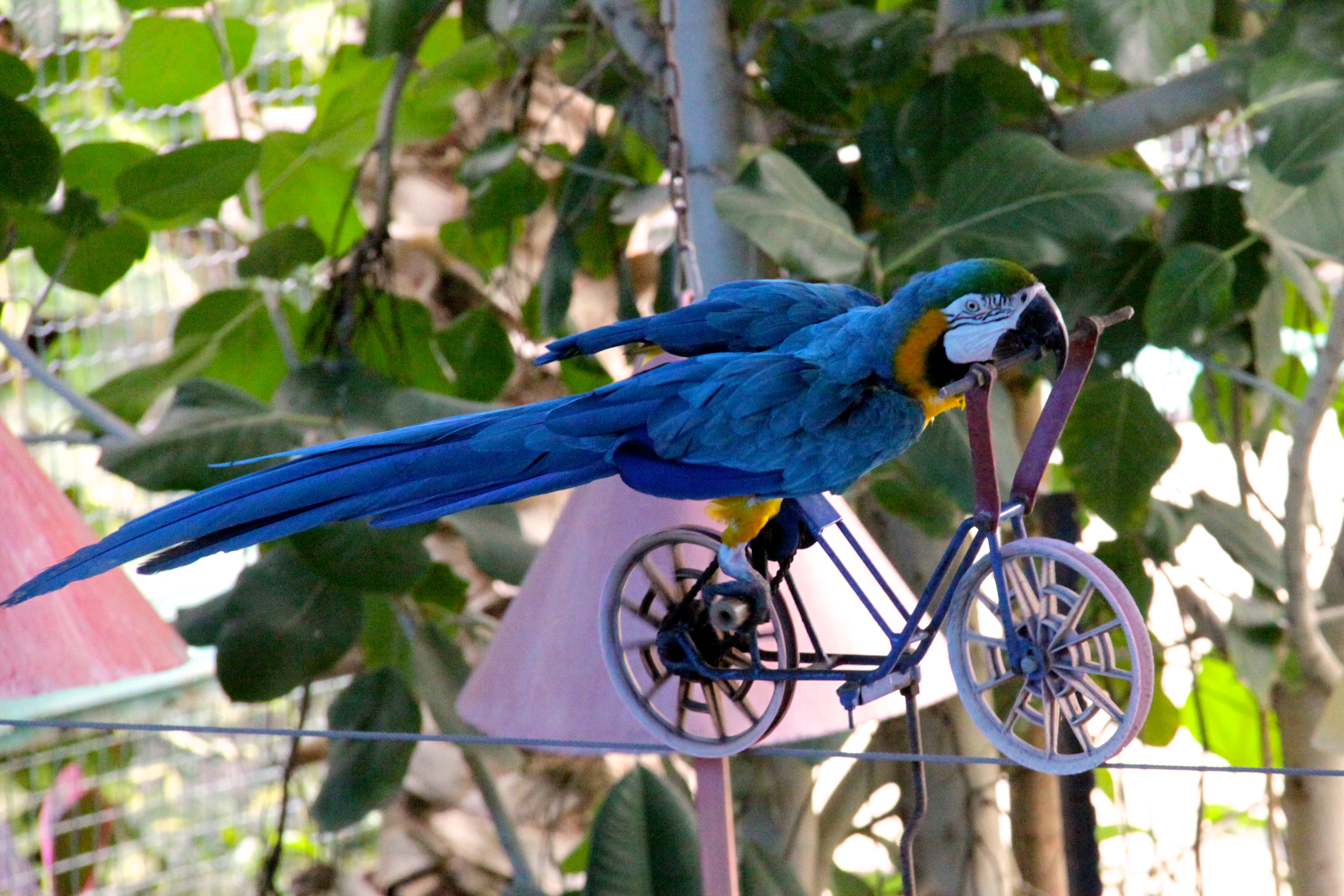
After our nature experience, we had a decidedly unnatural visit to the park’s “zoo,” which seemed more like a hapless mess of cramped terrariums and odd combinations of chickens and gazelles. Actually, perhaps that mysterious green parrot I saw was an escapee of the zoo’s tacky attraction, a parrot show. Sergey and I sat among hordes of tired parrots—I mean parents—and their shrieking children to watch parrots, macaws, and cockatiels perform tricks like pedaling a bicycle across a tightrope.

And a parrot biking across a tightrope.

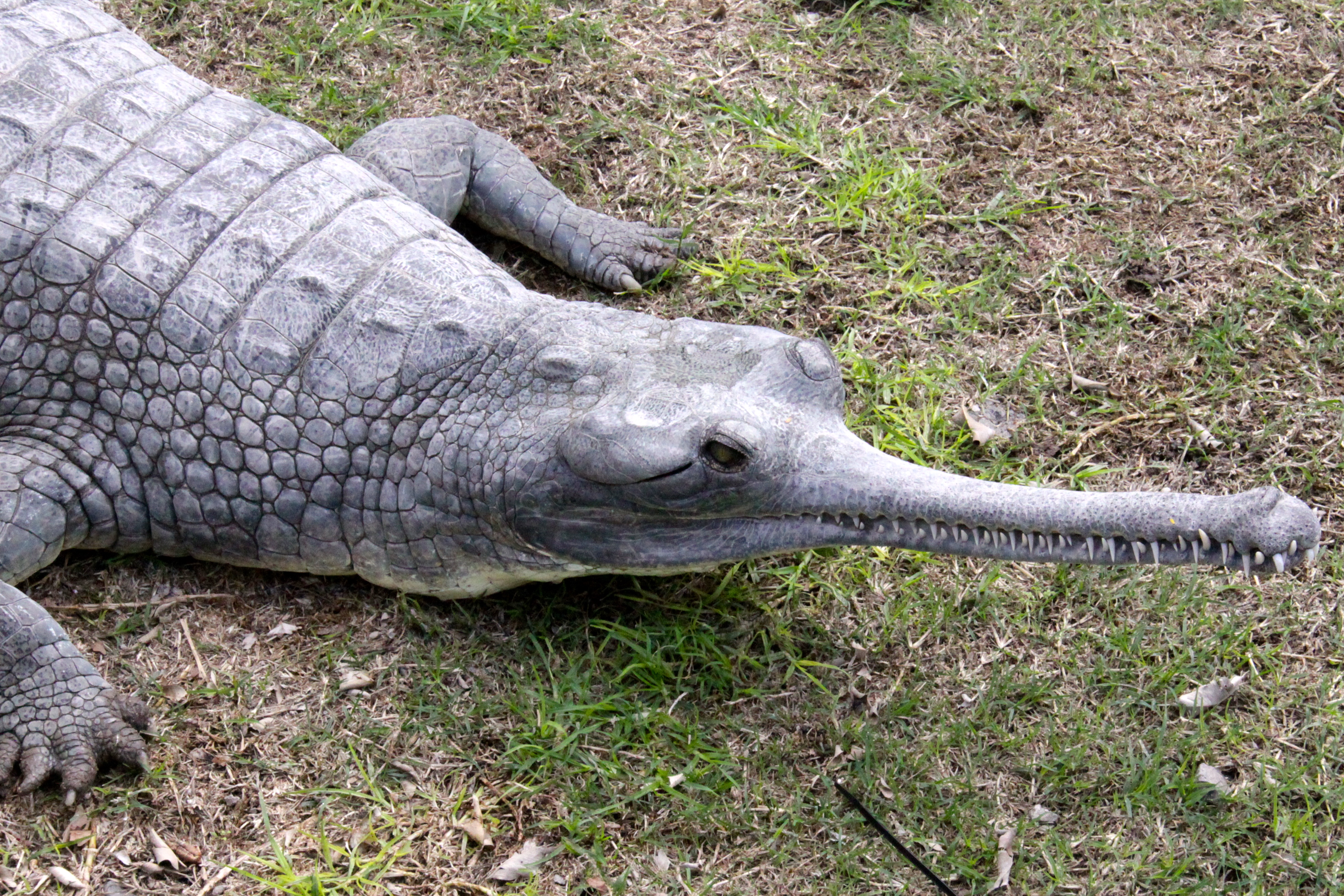
But the weirdest part was yet to come: the Alligator Farm. The farm consists of a series of enclosures tightly packed with alligators, crocodiles, caimans, and, strangest of all, gharials.

Pretty guy

These thin-snouted creatures look like something out of Dr. Seuss (especially the males, which sport a “sexy” bulb on the tip of their noses), but actually, they come from India, where they are extremely endangered. While at first their slender jaws seem like an evolutionary mistake, apparently the shape enables them to effectively hunt fish, and even to stun them with underwater jaw claps.

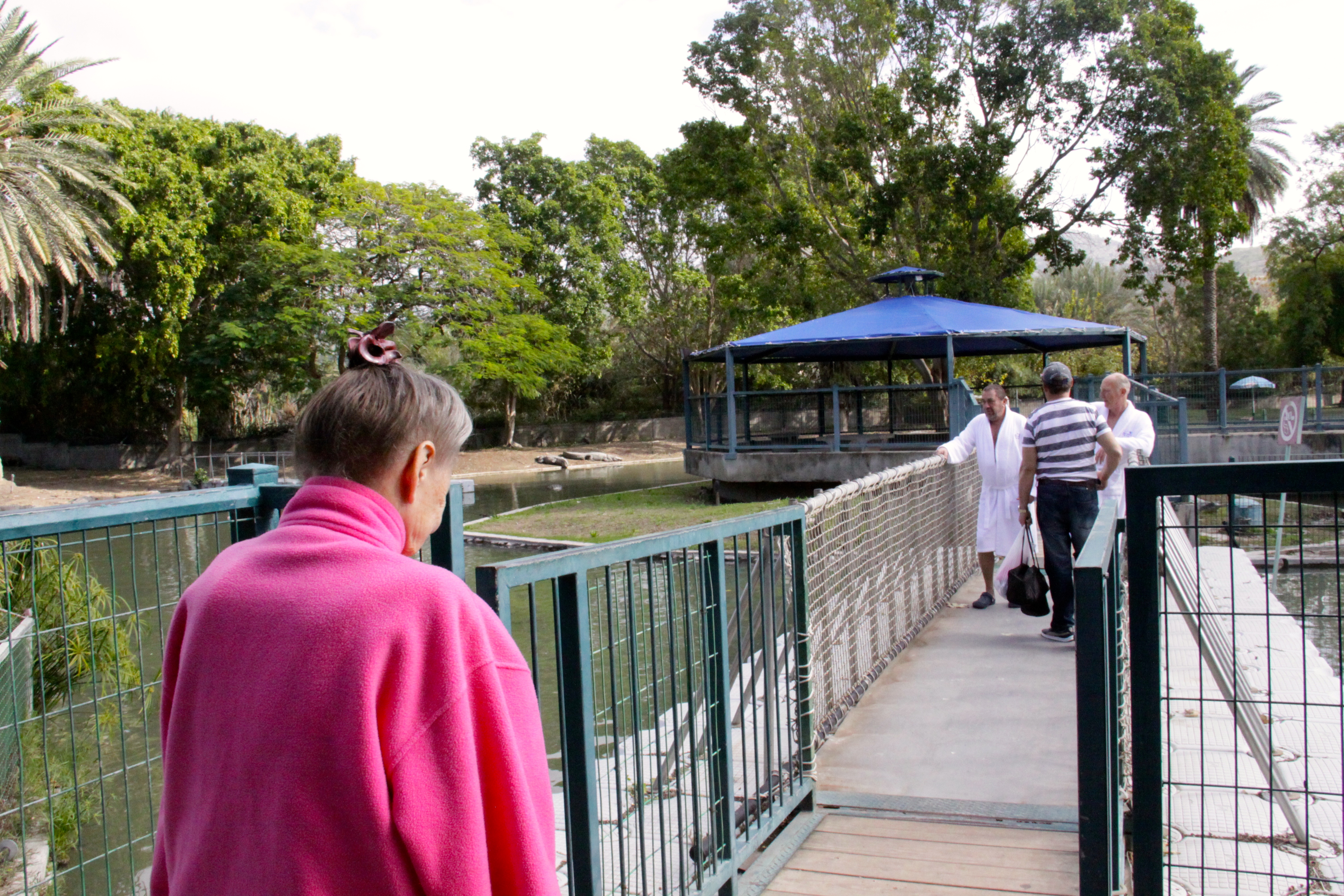
Rivaling the crocodilians in strangeness were our fellow visitors, who, clothed in bathrobes and flip-flops, apparently had emerged from the hot pool to cool down by strolling through the farm. I wonder what the crocs think of these oddly clad bipeds. Would he look good as a handbag?

Bathrobes

Soaking in the pool was…sulfuric. I was disappointed that afterwards my skin failed to sprout yellow crystals. What I will remember from this day are these comical snapshots of human-animal coexistence: spandexed bikers shepherding cows aside, and pink-skinned bathers walking between some of Earth’s oldest predators.

Nimrod and Pan

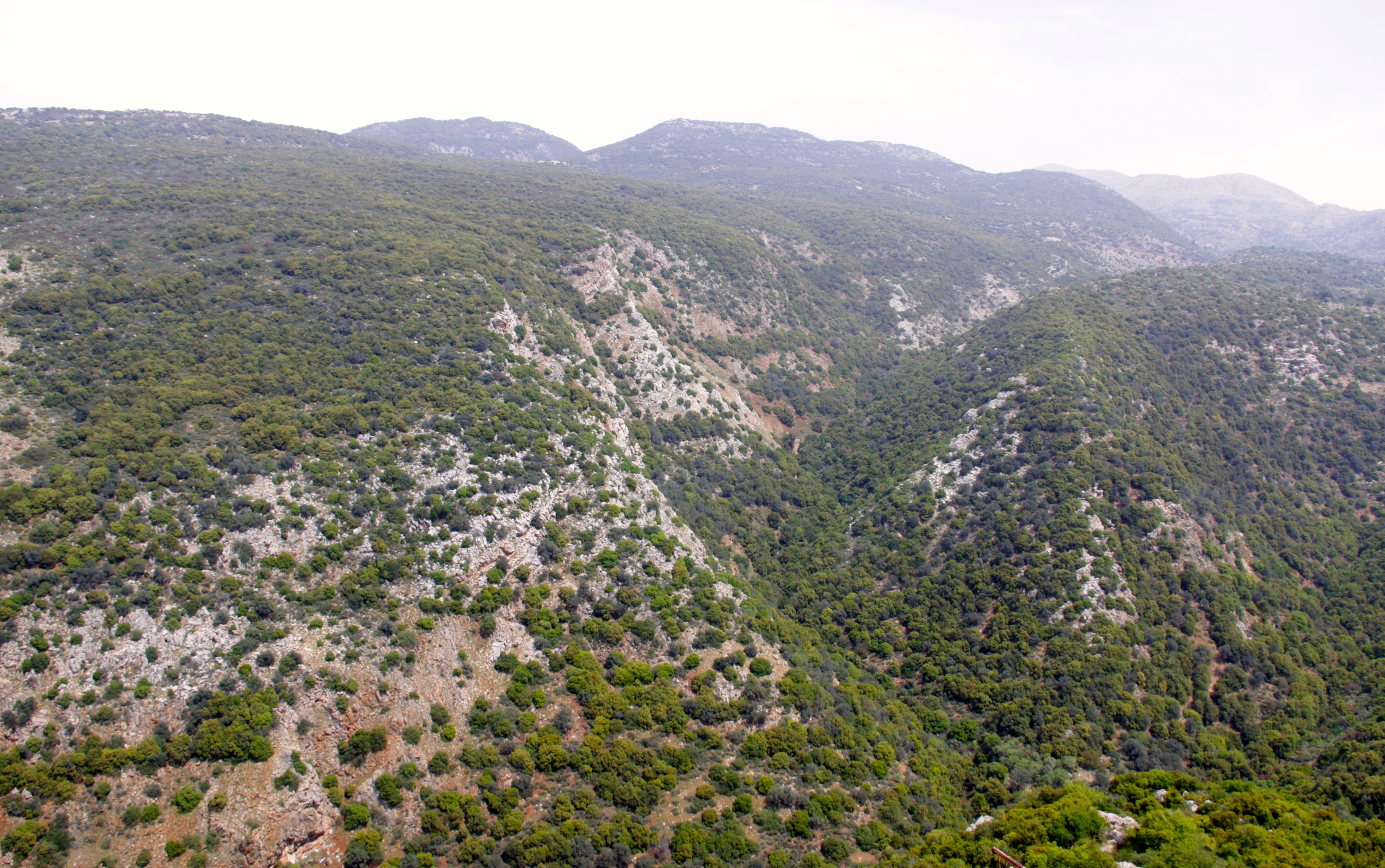
Last weekend, I exchanged Mount Carmel for its wilder cousins in the Golan Heights, thickly clad in green.  There were two destinations on this trip, which was organized by some coworkers: Nimrod’s Fortress and Banias Springs.

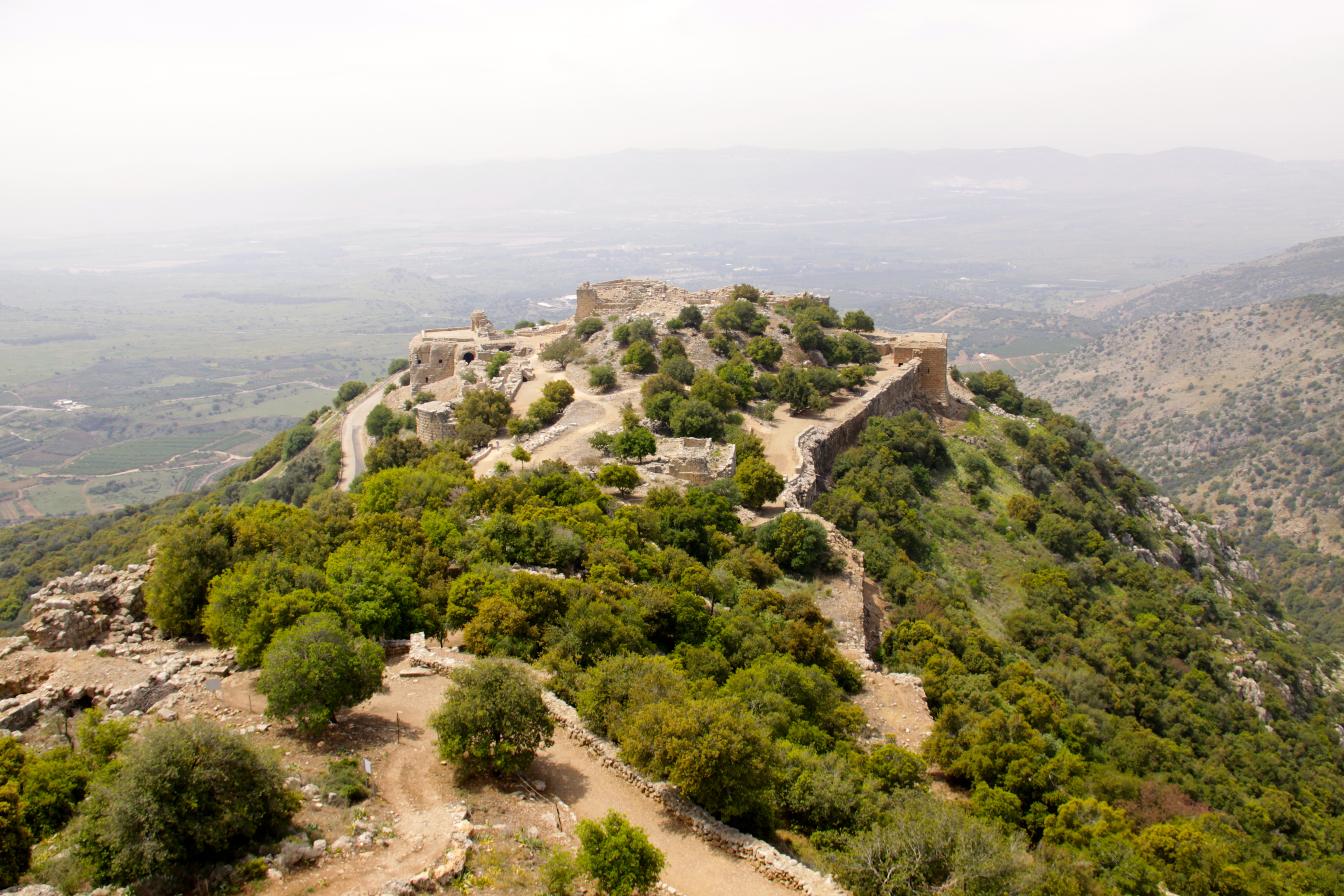
After some initial picnic-packing panic due to my forgetting cutlery (“We’ll have to scoop up the rice with Pringles!”), spoons were procured, and the day was off to a good start.  After a picturesque drive through verdant northern Israel, we arrived at Nimrod’s Fortress, looking very medieval indeed with its stone battlements crowning the mountaintop.


Fortress ahoy!

Fortress ahoy!

The fortress was built in the 13th century by the Mameluke Muslims.  According to legend, this is the place where Nimrod, great-grandson of Noah, was punished by God with a mosquito inside his head, which drove him mad.  Alternatively, and less interestingly, this might have been where Nimrod built a castle.  Anyway, suffice it to say that the fortress is really big and old, with various chambers and passages to explore–“a playground for adults,” as a friend put it.

The first thing I noticed was the tranquility.  Quietness is fairly impossible to find in the Haifa/Akka area–there is always the hum of traffic, barking dogs, distant voices, the occasional soccer match or lusty caterwaul.  But on this mountain, the predominant sound was birdsong.  I could almost feel my eardrums relax in the peace.

After a stroll along the length of the fortress, Sergey and I reached the keep.  The keep–the most defensible tower of the fortress–is also called the donjon, which is a much more entertaining name.  So, in a corner of the donjon, we found a steep staircase on the edge of the mountain.  (Don’t worry, there was a railing.)

“Do you want to go down there?”  I asked.  “It looks pretty steep.”

“Sure, but will you be ok?”

I took this as a challenge.

“Let’s be adventurous!”

After mincing my way down the crumbled steps, using Sergey as my banister, we reached a chamber.  After stooping inside, we saw the only way forward was to crawl through two low archways, which we did.  I was pretty proud of myself.  Let’s pretend “crawl through medieval fortress” was on my bucket list–accomplished!

Rare moment of physical activity.

Rare moment of physical activity.

My bucket list also includes not dying by tumbling off the side of a mountain in northern Israel, so when we saw that the stairs on the other side were even steeper and more deteriorated, we retreated.

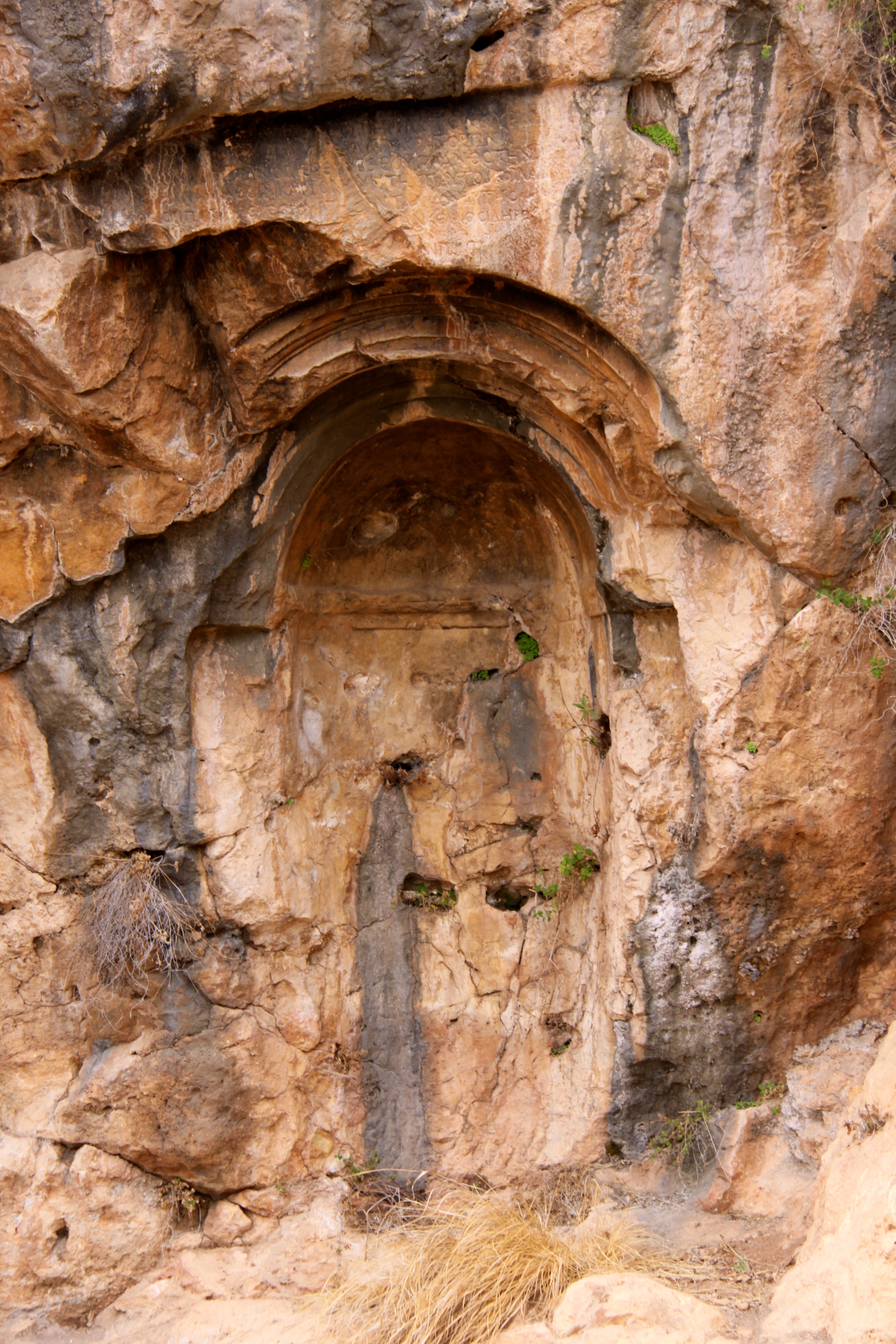
But our adventures were not over.  The next stop was Banias.  Sergey and I, hardy outdoorsmen that we are, were already exhausted by this leg of our journey.  While some in the group proposed a 1.5-hour hike, we sleepily wandered off toward the ruins of Paneas, an ancient Greek site of worship for the God Pan.  A wide grotto yawned in the reddish rock face; this was where sacrifices were tossed, apparently.  Niches in the rock indicated where statues had been.


Niche

Niche with Greek writing above

Now, to our credit, Sergey and I did attempt to do some hiking around the park.  We walked along a pretty stream adorned with foliage.  According to the pamphlet, we must have encountered the bur-reed, loosestrife, and common hemp agrimony.  To me, it sounds like some botanist was feeling buried in strife and acrimony.

About 15 minutes in, I threw in the towel.  To our delight, upon our surrender, we walked into a clearing where a Druze couple in traditional garb sold Arabic coffee and thin, crepe-like pita with zatar and lebaneh cheese.  It was a snack worthy of Pan.

Ok.  So I have endeavored to control myself for the duration of this post, making it somewhat edifying with historical tidbits gleaned from the brochures and Wikipedia, but what I really want to write about is hyraxes, which have since that fateful day entered my pantheon of adorable small creatures.  In fact, I think I need to devote a separate post to them–I’m just that enamored.

A caravan of three

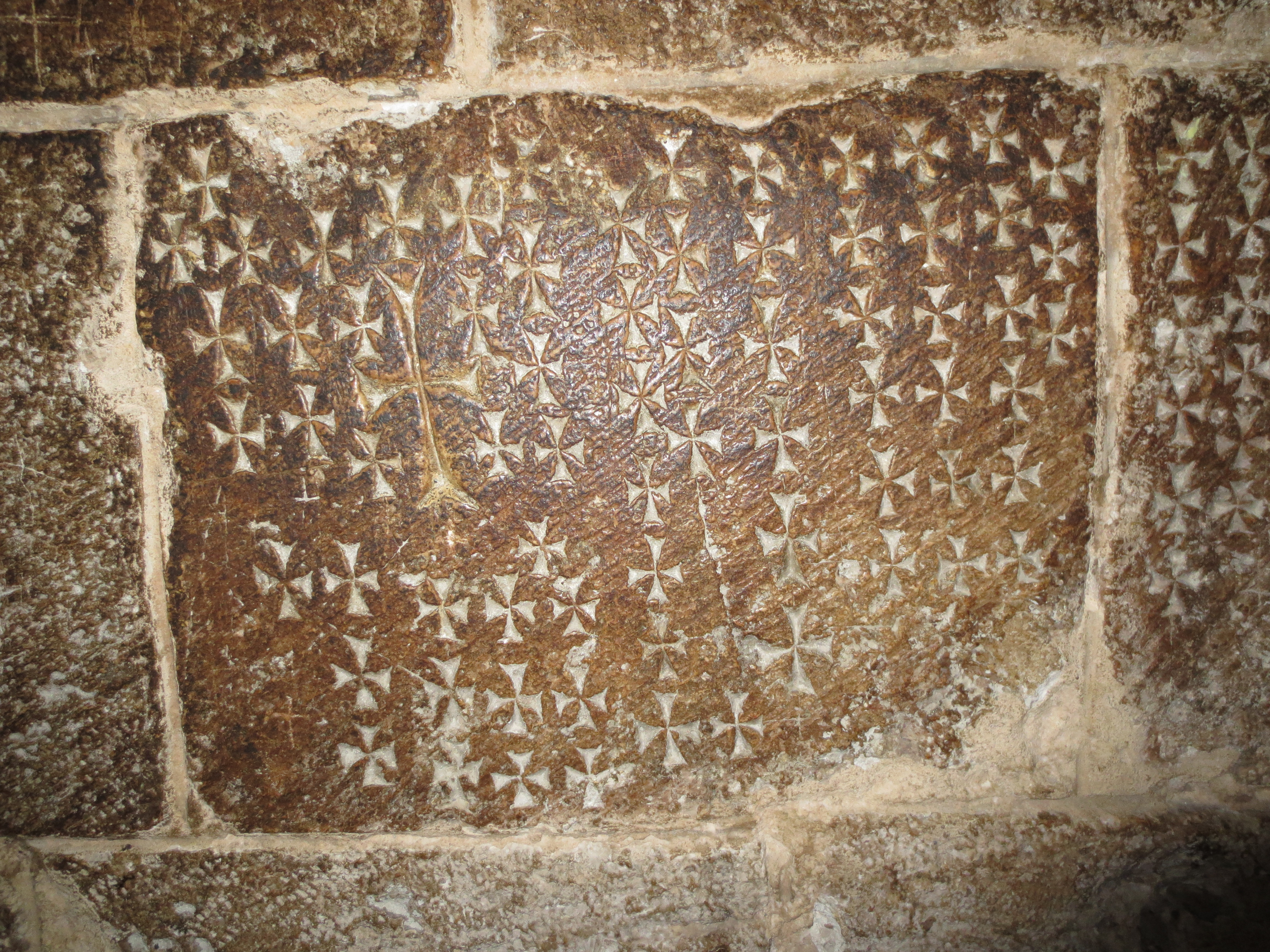
Crusader "signatures" in the Church of the Holy Sepulchre

Crusader “signatures” in the Church of the Holy Sepulchre

It is 5:45 in the morning and Haifa is still darkly asleep.  This is a time I rarely see–only during the Fast, really.  But today, we are on our way to Jerusalem, a caravan of three travelers.

We take a bus and then another bus, and have a layover at the central station in Jerusalem, which is full of young soldiers, fresh-faced in their fatigues.

“DONUTS!”  I haven’t seen donuts in six months and I’m pretty excited that this huge bus station sells them.  (Now I know where to go when craving hits, and it’s a mere three hours of buses away!)  Jasmine and I share a big one with sprinkles that stain my lips while Sergey drinks some coffee sludge.  Finally we make our way to a tram that takes us near to one of the gates of the Old City.

I have a plan of attack.  First the Church, then the Wall, then the Dome, then the Mount.  En route to the Church of the Holy Sepulchre, we pass by several Stations of the Cross, and pause to touch the spot believed to bear the handprint of Christ.

“I touched this before,” I comment, showing off my worldliness.  “Yes, I’ve touched everything in Jerusalem.”

“No wonder you’re sick,” Sergey replies.  Indeed, I wasn’t the classiest travel companion, what with my wad of tissues and plugged ears.

When we get to the Church, we go through the various sites—the anointing stone, Calvary, the Armenian chapel with the Crusader imprints on the walls, that subterranean chamber… I try to recount the fragments of history I remember.  Something about Saint Helen and Constantine.

Next stop: the Western Wall.  The female side proves less interesting than the male section, where a number of simultaneous bar mitzvahs are happening.  Lots of Torah scrolls, boys in yarmulkes, and tossed candy give the place a jubilant spirit.  We climb onto unwieldy plastic chairs that seem placed there for the express purpose of letting female visitors ogle the masculine goings-on.  I’m pretty sure I ended up in at least one lad’s bar mitzvah video.


Bar mitzvah(s)

Bar mitzvah(s)

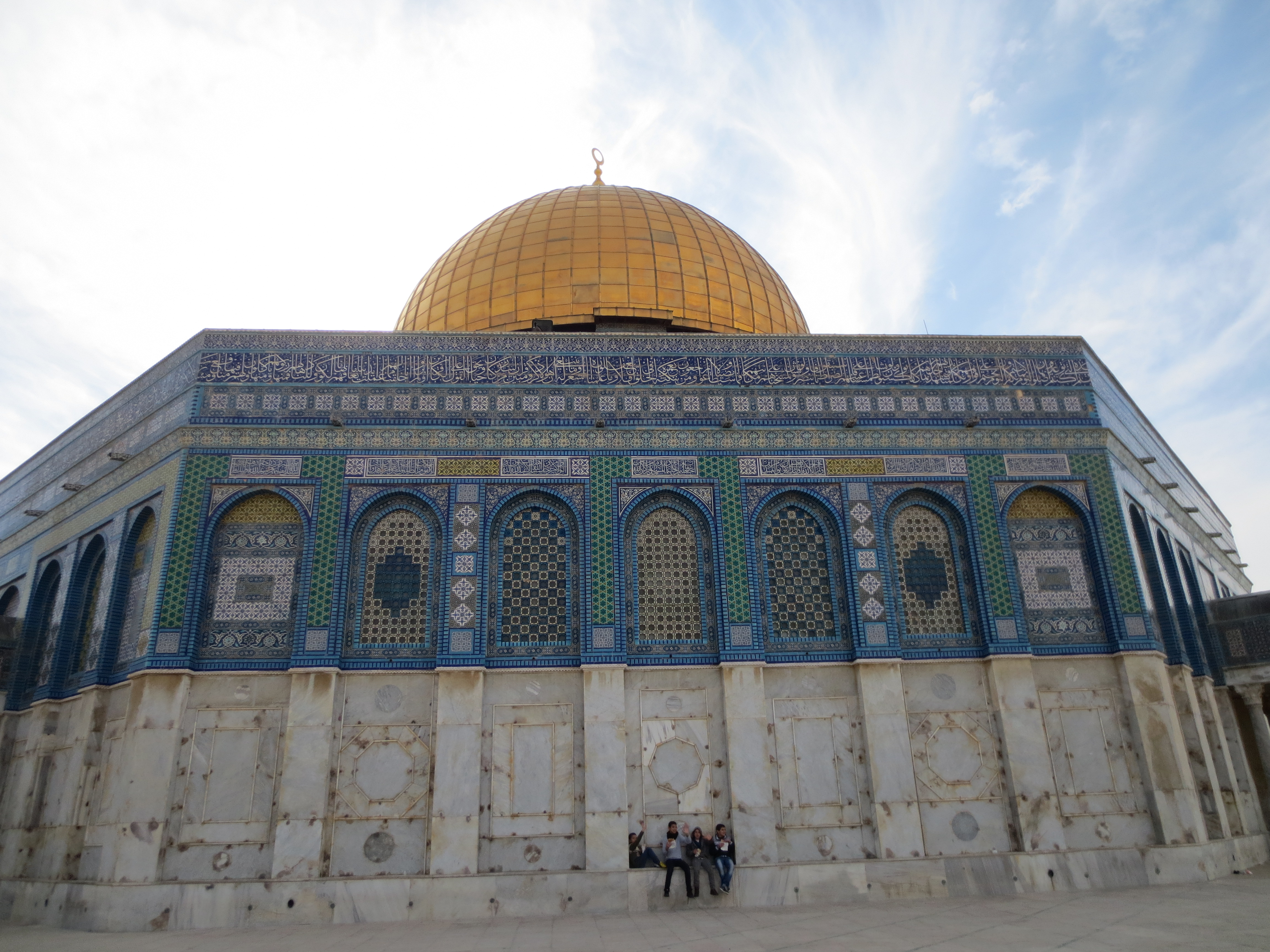
But the stop I’ve been eagerly awaiting is not the Church or the Wall—it is the Dome.  If I learned anything from the documentary that eased Jasmine into dreamland, it is that the Temple Mount is super important historically.  I hadn’t gotten to see the Dome of the Rock on my last visit because its hours are so limited, but this time, I was ready.

After a long wait in line, we walk up a sheltered bridge to the mount, where we find ourselves in a large open space with a long mosque to our right, the al-Aqsda.  Like moths to a flame, we are drawn up some wide stairs to the Dome itself, resplendent with delicately painted greenish blue walls and its shining gold dome.  Inside (off-limits to non-Muslims) is the rock from which it is believed Muhammad ascended to Heaven during His mystical night journey; apparently His footprint remains.

We wander around the huge plaza, which dates to the time of King David.  The area is surprisingly casual—some young women in hijabs study in a circle on the ground, while boys kick around a soccer ball.  Four young boys, munching on their lunch in an alcove of the wall, beg Jasmine to photograph them, then come to assess the result.  “Facebook!” they demand happily.

Facebook! WordPress!

Facebook! WordPress!

After lunch, we headed to the Mount of Olives to visit Gethsemane and the Church of All Nations…or the Agony, I’m not sure what its proper name is.  It is quite a different experience from last time, when it was thronged and someone came over the loudspeaker repeatedly to instruct “Silence”; this time, I feel at peace sitting in a pew, looking at the nighttime garden scenes on the huge mosaics around the walls.

It is sunset by the time we entered the Valley of the Dead, which is between the Mount of Olives and the Old City.  A funeral unfolds with Jewish men swaying in black robes; the muezzin pipes a call to prayer.

Eventually, exhausted, we got on the bus back home and realized with sighs of relief that the most comfortable seats had been reserved for us: the floor.  Yes, apparently it’s a-ok in Israel to allow people to stand for two hours on the highway.  After about 15 minutes of swaying over an IDF soldier and watching another passenger giggle at cat videos, I succumb to gravity and wedge myself and my backpack down into the narrow aisle, with my cohort following suit.  Soon, at my offer, two sleepy heads loll against me.  In a weird way, it was cozy, the three of us snugly squeezed onto the floor with views of people’s shoes, the lights through the windshield, and the diminishing kilometers to Haifa.