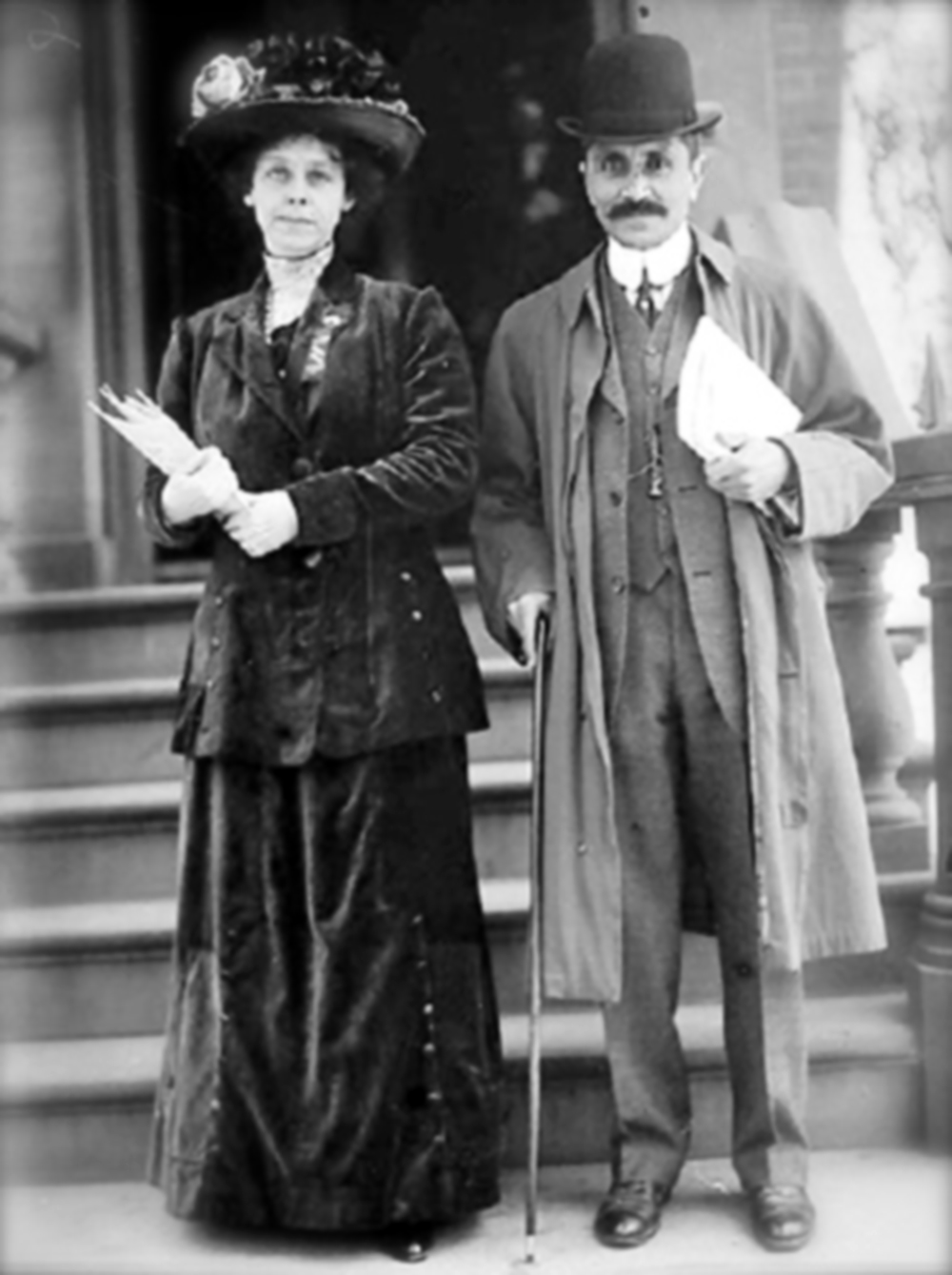
Uniting the World, Two Hearts at a Time

(Image source)

“Each sees in the other the Beauty of God reflected in the soul, and finding this point of similarity, they are attracted to one another in love. This love will make all men the waves of one sea, this love will make them all the stars of one heaven and the fruits of one tree. This love will bring the realization of true accord, the foundation of real unity.” 

Abdu’l-Baha1

In 1904, Florence Breed and Ali-Kuli Khan married in Boston. Breed was American and Khan was Iranian; their union symbolized East and West uniting in the Baha’i Faith. When Abdu’l-Baha visited the US in 1912, the Khans hosted a luncheon for Him in Washington, D.C. There, Abdu’l-Baha defied social convention by giving Louis Gregory, an African-American Baha’i, the seat of honor. 

Continue reading
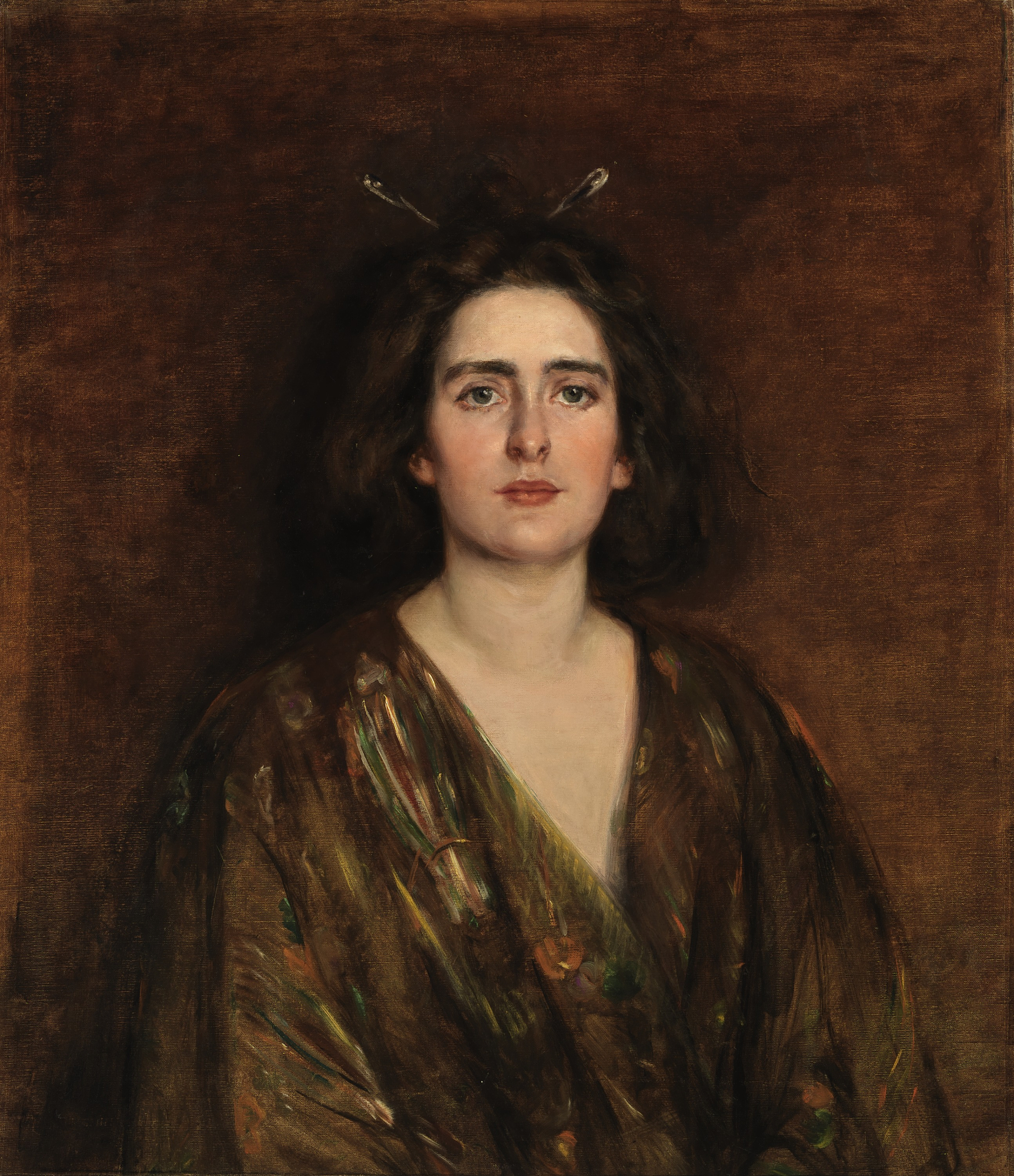
When the West Comes to the East: Laura Barney’s Lessons from Persia

Painting of Laura Clifford Barney
“Laura at Sixteen” by Alice Pike Barney (Image source)

May 16, 1909: a gathering of New Yorkers listens to Laura Clifford Barney; one audience member jots down her words. This scribe records two talks Barney gives: the first, on her journey to Persia, and the second, on her observations of Abdu’l-Baha. To learn more about the context, please refer to my previous post, which describes the second talk.

Continue reading

“What I Saw of Abdu’l-Baha”: Vignettes by Laura Barney

‘Abdu’l-Bahá standing on the balcony of the house of Abbas Gholi, c. 1920
Abdu’l-Baha stands on a balcony. (Image source)

May 16, 1909, New York City: a group has gathered to hear Laura Clifford Barney speak. Her name is familiar to the audience from Some Answered Questions, which was published last year. This book brought Abdu’l-Baha’s commentary on subjects ranging from the New Testament to criminal justice to the newborn Baha’i community in the United States.

Continue reading

Martha Root’s Interwar Lectures: Cosmic Education and the Rhetoric of Unity

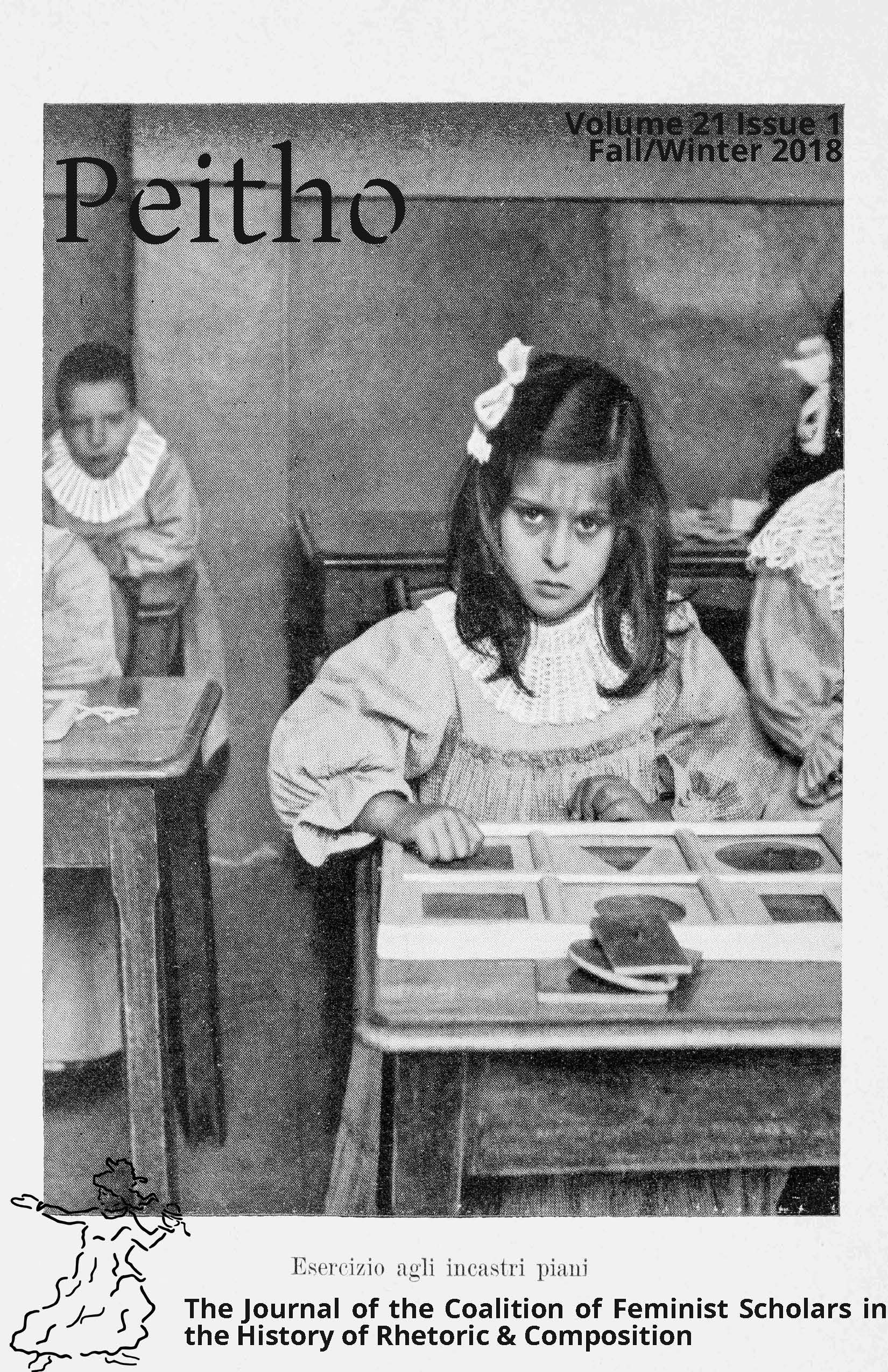
Cover of Peitho 21.1 (c) CFSHRC 2018

Peitho: Journal of the Coalition of Feminist Scholars in the History of Rhetoric & Composition, vol. 21, no. 1, 2018, pp. 132-157.

Abstract: This article introduces Martha L. Root’s cosmopolitan rhetoric, which exemplifies how women speaking from (religious) margins interpret traditions to create calls for social change. In lectures delivered between the world wars, Root argued for “cosmic education,” a global peacemaking program promoting openness and civic service in learners, which she distilled from precepts of the Bahá’í Faith. Root implored every listener, from her US co-nationals to audiences worldwide, to evangelize peace. Her rhetoric of unity harnessed principle with practice to animate the cycle of cosmic education, a cycle she modeled by inventing transnational sisterhood with the 19th-century Persian poet Táhirih Qurratu’l-Ayn.

Continue reading

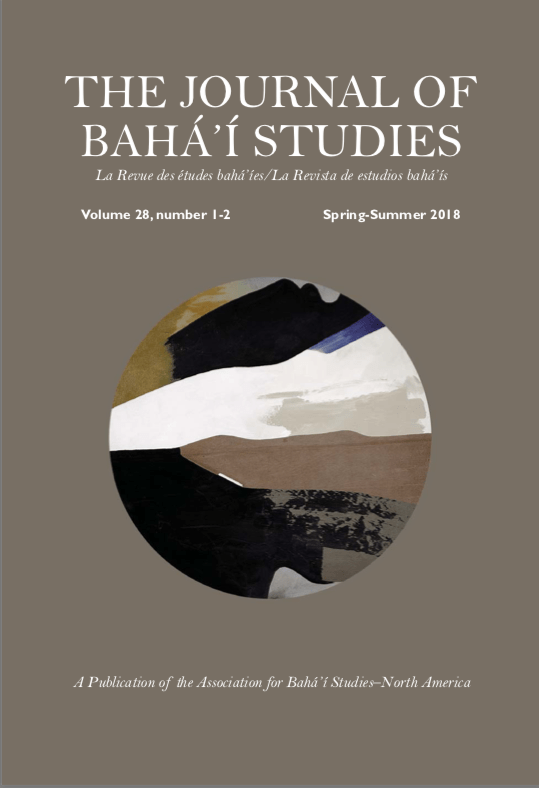
Laura Barney’s Discipleship to ‘Abdu’l-Bahá: Tracing a Theological Flow from the Middle East to the United States, 1900–1916

Journal of Bahá’í Studies, vol. 28, no. 1–2, 2018, pp. 7–31.

Abstract: The discipleship of the young American Laura Clifford Barney to ‘Abdu’l-Bahá in the early 1900s resulted in a flow of spiritual teachings from East to West. After several years of intense engagement with her teacher in Palestine, Barney sought to disseminate in her Western homelands what she had learned. Her private and public writings demonstrate how she employed ‘Abdu’l-Bahá’s teachings in her efforts to influence social discourse by promoting the Bahá’í Faith in Europe and the United States. Examining these teachings and Barney’s applications thereof in her rhetoric allows us to witness how a transnational channel of theological knowledge developed.

Continue reading

Women Inspiring Women in Baha’i History: Tahirih’s Lineage

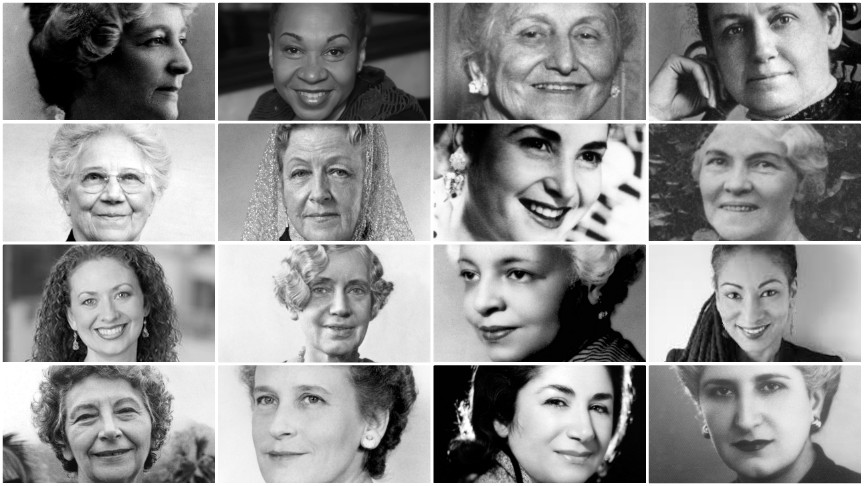
Collage of sixteen Bahá'í women
Some prominent Baha’i women (Image source)

On March 8th, we celebrate “the social, economic, cultural and political achievements of women” and acknowledge the urgency of “accelerating gender parity.”1 As much as International Women’s Day is a celebration, it is also a monument to centuries of discrimination.

Continue reading

A Christmas Story: The Forced Migrations of the Messengers of God

Photo by the author

Moses, Jesus, Muhammad, Baha’u’llah. For Baha’is, these teachers are among a series of divine Messengers, and Their teachings share a spiritual basis. These divine beings’ human lives also share certain features. Nearly all divine messengers have been rejected by most of Their contemporaries, persecuted harshly, if not killed. But for these four, Their persecutions took a particular form: forced migration. They and Their families were pushed from Their native cities into perilous journeys. 

Continue reading

Edward Granville Browne: The Only European Historian Who Met Baha’u’llah

You should appreciate this, that of all the historians of Europe none attained the holy Threshold but you. This bounty was specified unto you.1

These words Abdu’l-Baha wrote to Edward Granville Browne about his interviews with Baha’u’llah in 1890. From one of these interviews emanated the description of meeting Baha’u’llah famous in the Baha’i community, which you can listen to here.

Continue reading

Feeling Boundless Love for Others

Bahá'ís consulting.
A Baha’i gathering. (Image source)

Shed the light of a boundless love on every human being whom you meet, whether of your country, your race, your political party, or of any other nation, color or shade of political opinion.

Abdu’l-Baha1

The security of people of Middle Eastern and South Asian descent living in the United States seems to be on thin ice: bearing brown skin and a “foreign” name are dangerous liabilities. Evidence comes in recent hate crimes like February’s Kansas killing. Engineers Srinivas Kuchibhotla and Alok Madasani were attacked by a man who told them to “get out of my country.” Kuchibhotla died. The attacker later disclosed that he thought his victims, who were natives of India, were Iranian. In March, Hasel Afshar returned to his Oregon town from vacation to discover his home ransacked and hateful messages coating the walls of his house. The messages indicated that the attackers believed Afshar to be Muslim. He is actually a Baha’i refugee from Iran. Persecuted for his faith in his homeland—attacked for his foreignness in his refuge. 

Continue reading

Borderless Love: The Benefits of Marrying Outside Your Social Group

Ali-Kuli and Florence Khan
Florence and Ali-Kuli Khan. (Image source)

In 1904, Florence Breed and Ali-Kuli Khan married in Boston. Breed was American and Khan was Iranian; their union symbolized East and West uniting in the Bahá’í Faith. When ‘Abdu’l-Bahá, son of the Founder of the Bahá’í Faith, visited the US in 1912, the Khans hosted a luncheon for him in Washington, D. C. There, ‘Abdu’l-Bahá defied social convention by giving Louis Gregory, an African-American Bahá’í, the seat of honor.

Continue reading