Permeable Skins

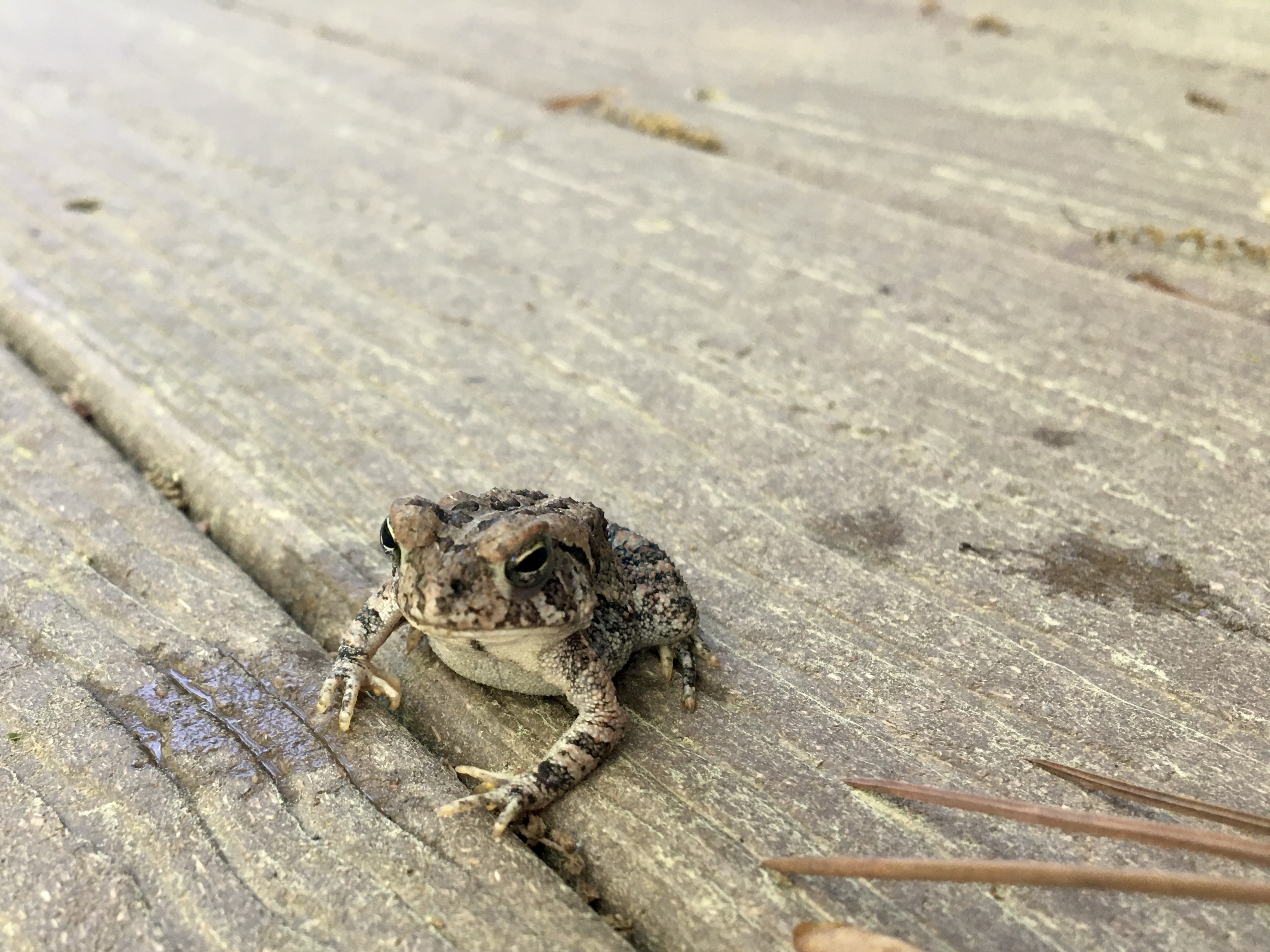
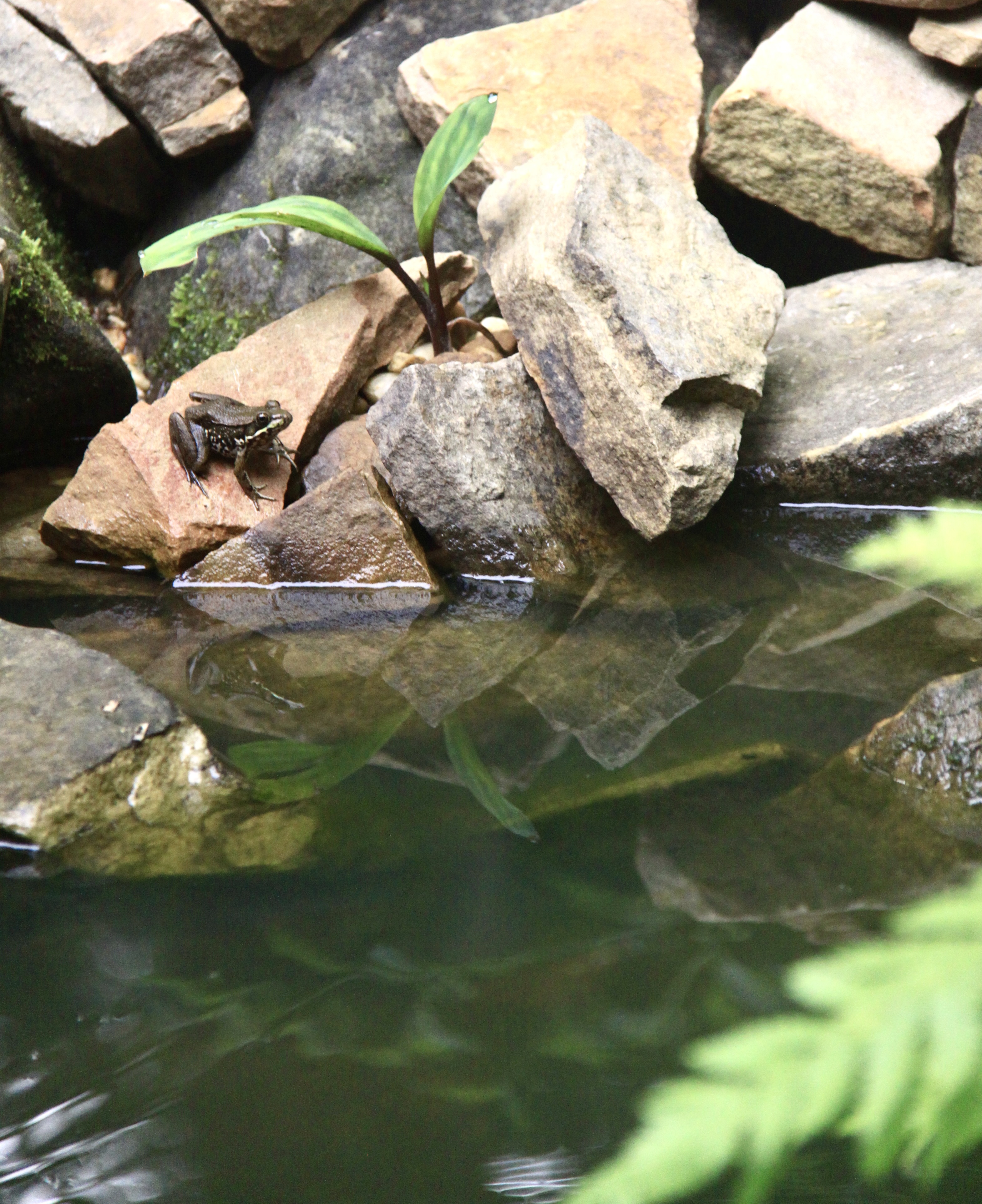
A brown toad with black stripes.

It might seem overzealous for me to worry about our own yard providing habitat given that dozens of species, or probably hundreds or thousands if we’re counting microbial life, already use it, and that at least a hundred native trees—oaks, sweetgums, tulip poplars, dogwoods, loblolly pines, etc.—call it home. But even this habitat could be better. 

Continue reading

A Backyard Safari

We have witnessed a slew of wildlife in the yard, a reminder that “our property” belongs to many beings besides humans. 

Mammals: Gray squirrels and chipmunks make their homes in the yard. Nocturnal visitors include white-tailed deer, raccoons, and opossums—and most likely armadillos. I once saw a red fox run through the yard.

The does here give birth in September, so each fall, we have the pleasure of seeing big-eyed, gangly-legged fawns exploring the yard, which compensates for my annoyance at the deer for sampling nearly everything I plant!

Two fawns, one standing and the other lying down, next to several trees.
Twin fawns rest in the front yard.
Continue reading

The Land, My Nurturer

In every place I live, I find my strongest sense of connection comes from observing the environment. 

In Wisconsin, I had nearly all my growing-up years to do so, starting from childhood nature walks with my parents. When we moved into a house that bordered a small-but-vibrant restored prairie, I had plentiful opportunities to watch the birds and insects that benefited from the native wildflowers and grasses. I recall walking to a small pond next to that prairie to watch hundreds of dragonflies swooping predatorily over cattails.

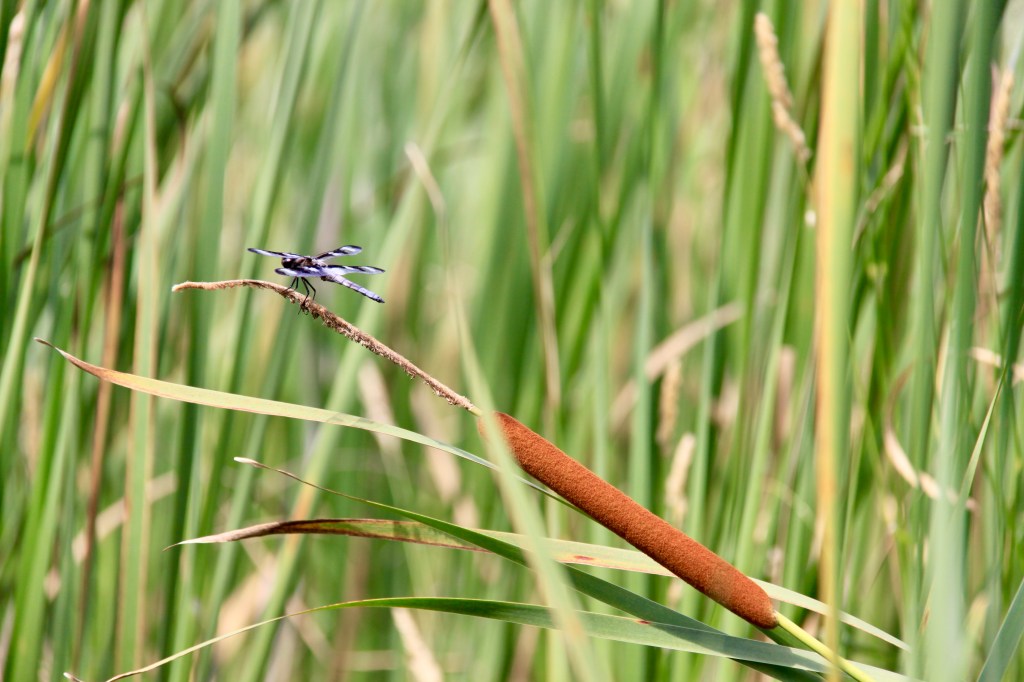
A dragonfly with striped wings sits on the end of a cattail. In the background are many cattail leaves.
A dragonfly rests on a cattail in Verona, Wisconsin. All photos here are my own.
Continue reading

Philadelphia Bahá’ís Restore Home ‘Abdu’l-Bahá Visited in 1912

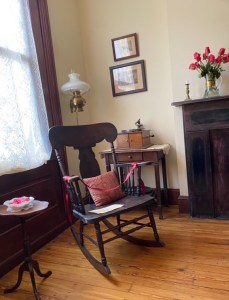
A rocking chair sits between a window and a fireplace.
A chair ‘Abdu’l-Bahá used in the Revell House’s front room. Photo courtesy of JoAnn Pangione Arcos.

On ‘Abdu’l-Bahá’s extraordinary journey across North America in 1912, He visited Philadelphia from June 8 to 10. While there, He spoke at a hotel and two churches, as well as at a private Bahá’í residence, a house rented by Mary Jane Revell where she and her four daughters lived. ‘Abdu’l-Bahá visited every room in the modest rowhouse and, sitting on a rocking chair, addressed the fifty Bahá’ís crowded inside. He praised them as brilliant “pearls,” exhorting them to serve Bahá’u’lláh.

Continue reading

An Introduction to The Secret of Divine Civilization

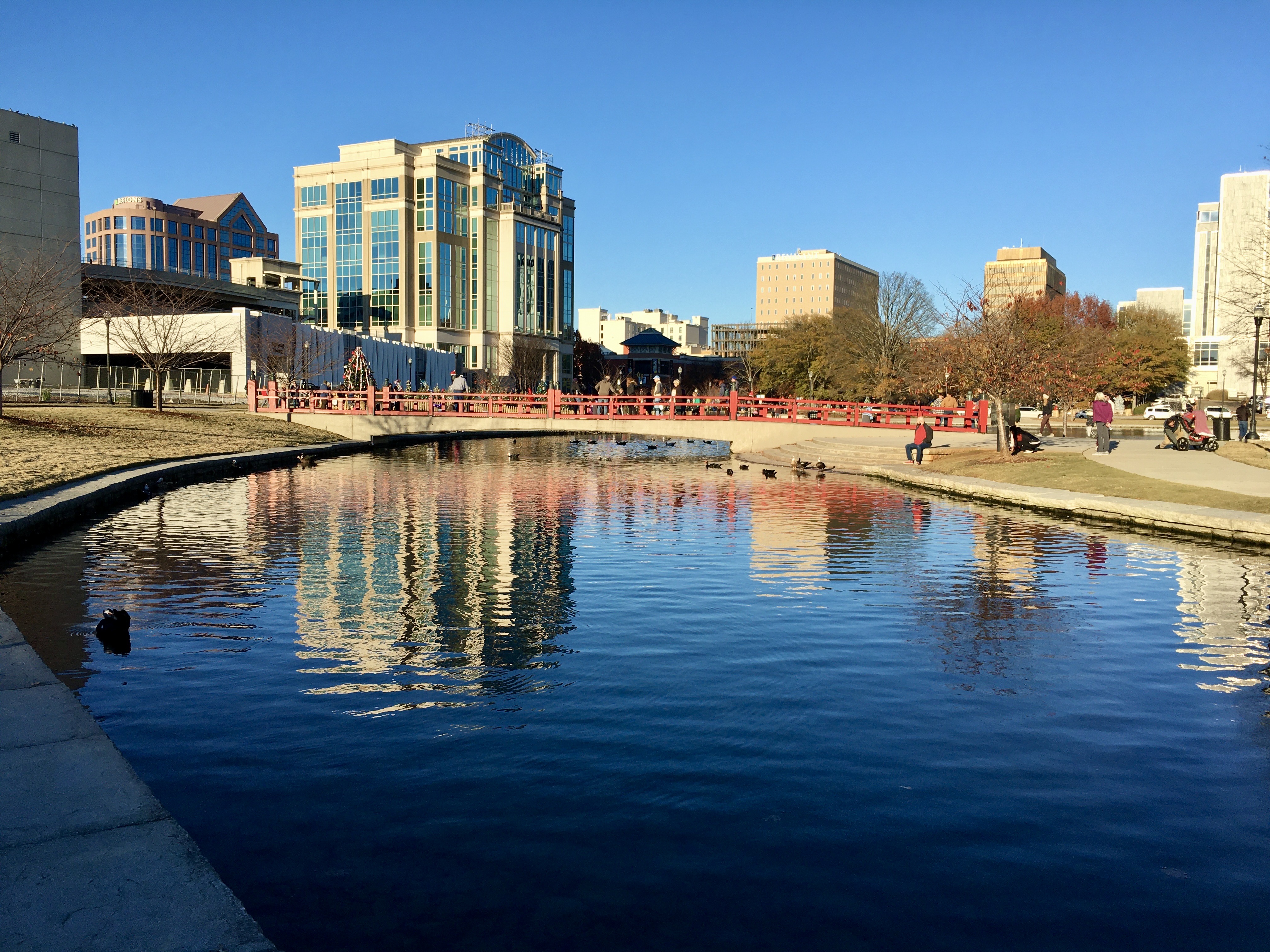
Modern buildings stand next to a canal. A footbridge spans the canal.
Photo by author.

The winds of the true springtide are passing over you; adorn yourselves with blossoms like trees in the scented garden.

Spring clouds are streaming; then turn you fresh and verdant like the sweet eternal fields.

The dawn star is shining, set your feet on the true path.

The sea of might is swelling, hasten to the shores of high resolve and fortune.

The pure water of life is welling up, why wear away your days in a desert of thirst?1

—Abdu’l-Baha
Continue reading

New Mexico Initiative Combats Indigenous People’s Erasure

Sandpainting prepared by Mitchell Silas (Diné) showing the Bahá’í ring stone symbol: the worlds of man (the hogan), the Holy Spirit or mediator between man and God (the smoke rising from the hogan), and the Twin Manifestation (two stars).
A sandpainting by Diné artist Mitchell Silas. Photo by S. Michael Bernhard.

Indigenous people worldwide have rich spiritual traditions that emphasize the oneness of humans with each other and with Mother Earth, a tenet shared with the Bahá’í Faith. Recognizing this commonality, some Native people have become Bahá’ís, making enormous contributions to the community—for instance, in the United States, the late Kevin Locke (Lakota) and his mother Patricia Locke (Lakota) were spiritual giants.

Yet, much work remains to strengthen the connections between Indigenous and Bahá’í teachings. A new task force based in Rio Rancho, New Mexico, is diligently carrying out that work.

Continue reading

Six Years

Reading through the archives of this blog, which I started in 2013 to document my life in Haifa, Israel, I am struck by the changing of life phases. My commitments were few when I arrived in Haifa fresh out of collegeno spouse, no career. The job I held there, a secretarial position that mostly entailed cataloguing things, left me creative energy to write and do the occasional art project.

Continue reading

Neighbors Become Cherished Friends in Western Michigan

In western Michigan, two very different locales just 30 miles apart illustrate the possibilities of outreach to neighbors. Grand Rapids is a bustling city with a million people in its metropolitan area. To the west, Grand Haven is a picturesque town on the shore of Lake Michigan. In both these “grand” places, Baha’is are working to enrich the spiritual lives of their neighborhoods.

Continue reading

Alabama Couple with Deep Church Roots Finds Inspiration in Baha’i Teachings

In 2016, Jennie Colbert-Kennedy and Dennis Kennedy celebrated their fiftieth wedding anniversary. That was also the year that they became Baha’is. The spiritual journey that ultimately led this loving couple to embrace the Baha’i Faith began in their childhoods, when they attended Baptist churches in Augusta, Georgia, one of which was a church Jennie’s great-great-grandfather founded and pastored. 

Continue reading

Graduate Writing Workshops: To Generalize or to Specialize?

The cover of WLN 46.5-6 with author names Bell, Brantley, and van Fleet; Kramer and Ha; Lawson and Benallack; and Miron.

Miron, Layli Maria. “Graduate Writing Workshops: To Generalize or to Specialize?” WLN: A Journal of Writing Center Scholarship, vol. 46, no. 5–6, 2022, pp. 27–30.

In this tutor’s column about my time as a coordinator and consultant for Penn State’s Graduate Writing Center, I discuss how to provide support to graduate students, who often need to learn the highly specialized genres and conventions of their fields. You can read the article online or by downloading it below.

Continue reading